- Phone:+86-17331948172 +86-0319-8862898
- E-mail: inquiry@puxingclamp.com

Sep . 19, 2025 15:20 Back to list
Steel Midsole & Plate: Ultimate Puncture Protection for Safety Shoes
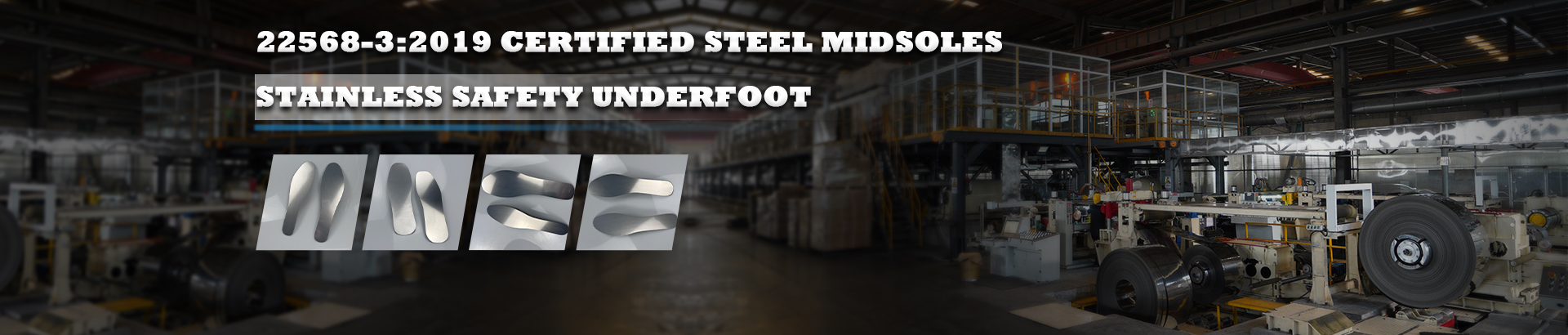
In demanding industrial and construction environments, foot protection is paramount. The steel midsole is a critical component in safety footwear, engineered to prevent sharp objects from piercing the sole and injuring the wearer. This article delves into the technical aspects, industry applications, and strategic considerations for procuring high-quality steel midsoles, essential for ensuring worker safety and compliance with international standards.
Industry Trends in Safety Footwear and Steel Midsole Technology
The safety footwear market is continuously evolving, driven by stricter regulatory compliance, technological advancements, and a growing emphasis on worker comfort without compromising protection. Key trends include the integration of lighter yet stronger materials, improved ergonomic designs, and enhanced multi-functional protection. While composite midsoles offer lightness, the traditional steel midsole remains the benchmark for unparalleled puncture resistance in harsh environments. Demand for the steel midsole is sustained by sectors like heavy construction, manufacturing, and logistics where the risk of sole penetration is high. The focus is now on optimizing steel alloys for better flexibility and corrosion resistance, without adding significant weight or bulk. Furthermore, sustainability in manufacturing processes is gaining traction, prompting suppliers to adopt more environmentally friendly practices.
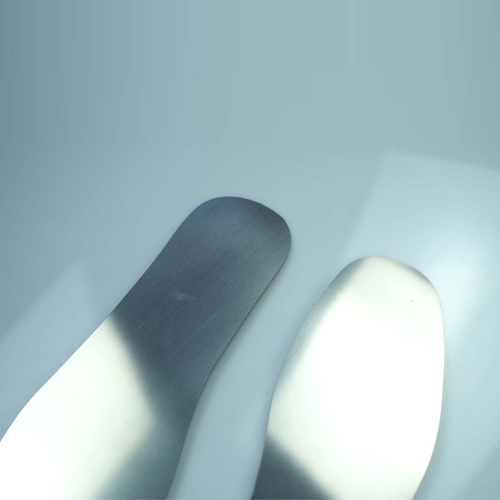
According to recent market analyses, the global safety footwear market is projected to grow at a CAGR of 6-7% over the next five years, with puncture-resistant footwear being a significant segment. This growth is directly tied to the robust performance and reliability offered by steel midsole solutions, particularly in high-risk industries.
Technical Specifications and Material Science of the Steel Midsole
The effectiveness of a steel plate midsole hinges on its material composition and precise engineering. Typically manufactured from specific grades of spring steel or stainless steel, these midsoles are designed to meet stringent international standards such as EN ISO 20345:2011 (for safety footwear) and ASTM F2413-18 (for personal protection equipment).
Key Technical Parameters:
- Puncture Resistance: A standard steel stainless midsole for safety shoes must withstand a minimum force of 1100 Newtons (N) from a nail with a specified diameter and tip geometry, without penetration. This is a critical parameter ensuring protection against nails, glass, and other sharp debris.
- Material Grade: High-carbon spring steel (e.g., 65Mn, SK5) or specific grades of stainless steel (e.g., AISI 304, AISI 316) are commonly used. Stainless steel offers superior corrosion resistance, crucial for environments with moisture, chemicals, or saline conditions.
- Thickness: Typically ranging from 0.4 mm to 0.8 mm, optimized to provide maximum protection with minimal increase in weight and maintain shoe flexibility.
- Hardness: Post-heat treatment, the steel achieves a hardness suitable for resisting puncture while retaining ductility to prevent brittle fracture.
- Corrosion Resistance: Especially important for environments exposed to water, chemicals, or high humidity. Stainless steel options inherently offer this, while other steels may undergo special coatings or treatments.
- Flexibility and Formability: The ability of the steel to be molded into the precise ergonomic shape of the shoe sole, ensuring comfort and natural foot movement.
| Parameter | Standard (EN ISO 20345:2011) | Typical Value (Steel Midsole) | Unit |
|---|---|---|---|
| Puncture Resistance | ≥ 1100 | 1100 - 1500 | N |
| Material Thickness | N/A (performance-based) | 0.4 - 0.8 | mm |
| Hardness (HRC) | N/A (performance-based) | 40-48 | HRC |
| Corrosion Resistance | Pass Salt Spray Test | ≥ 48 hours (Stainless) | Hours |
| Weight (for size 42) | N/A | 60-90 | g |
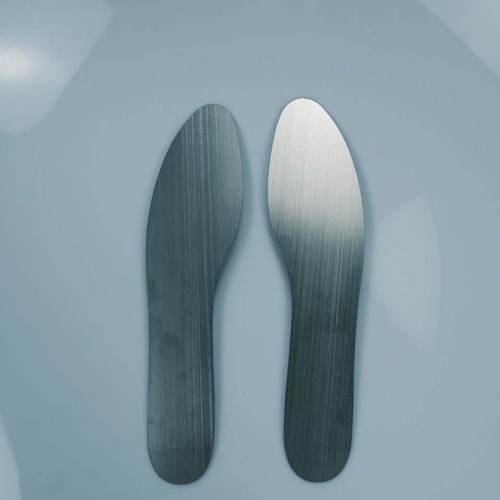
Manufacturing Process Flow of a High-Quality Steel Midsole
The production of a reliable wholesale shoe steel midsole involves a series of precision engineering steps, ensuring consistent quality and performance. Our manufacturing adheres to strict quality management systems like ISO 9001.
Detailed Process Steps:
- Material Selection and Preparation: High-grade steel coils (e.g., 65Mn spring steel or AISI 304 stainless steel) are selected based on required specifications. Materials undergo initial inspection for composition and structural integrity.
- Precision Blanking/Stamping: Advanced CNC punching machines are used to cut the basic shape of the steel midsole from the steel sheets. This ensures high accuracy and minimal material waste.
- Edge Deburring and Smoothing: The cut edges are meticulously deburred and smoothed to remove any sharp points or irregularities that could cause discomfort or damage to the shoe structure.
- Heat Treatment (for Spring Steel): For spring steel midsoles, a precise heat treatment process (hardening and tempering) is critical. This optimizes the steel's crystal structure, enhancing its hardness and elasticity to achieve the required puncture resistance without becoming brittle. Temperature control and quenching methods are rigorously monitored.
- Forming and Profiling: The steel plates are then cold-formed using specialized dies to achieve the ergonomic curvature and specific dimensions required to fit various shoe sizes and designs. This step ensures seamless integration into safety footwear.
- Corrosion Resistance Treatment (Optional/Applicable): For non-stainless steel midsoles, a protective coating (e.g., electrophoresis, galvanization, or anti-rust oil application) is applied to enhance resistance to corrosion, especially in damp or chemical-laden environments. Stainless steel variants inherently offer this protection.
- Quality Control and Testing: Each batch undergoes rigorous testing, including puncture resistance tests (conforming to EN ISO 20345:2011), dimensional accuracy checks, hardness tests, and visual inspections. Only products meeting all standards proceed.
- Final Finishing and Packaging: Finished midsoles are cleaned, inspected one last time, and then carefully packaged to prevent damage during transit, ready for integration into safety shoes.
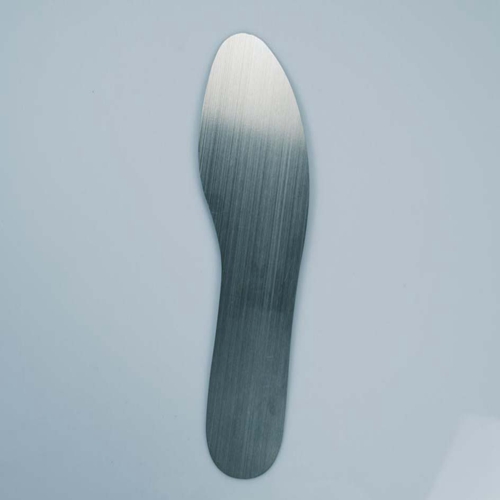
Application Scenarios and Target Industries
The robust protective qualities of the steel midsole make it indispensable across a spectrum of industries where foot safety is a paramount concern. Its primary function is to shield against penetration from sharp objects that might be present on the ground.
Target Industries:
- Construction: Sites are frequently littered with nails, screws, rebar, and sharp debris, making steel plate midsole protection essential for workers.
- Manufacturing and Heavy Industry: Factories, foundries, and workshops often have sharp metal shavings, broken components, or industrial waste that pose puncture risks.
- Petrochemical and Oil & Gas: Workers in these sectors are exposed to harsh conditions, including sharp objects and potentially corrosive spills, requiring durable and often corrosion-resistant steel midsoles.
- Logistics and Warehousing: Pallets, broken glass, nails from crates, and other hazards necessitate puncture protection for workers handling goods.
- Mining: Underground and surface mining operations present extreme risks from sharp rocks, tools, and debris.
- Agriculture and Forestry: Sharp thorns, broken branches, and agricultural machinery parts can cause severe foot injuries without adequate protection.
- Water Supply & Drainage: Maintenance workers often deal with broken pipes, sharp metal fragments, and corrosive environments, benefiting from corrosion-resistant steel midsoles.
Advantages in Application Scenarios:
- Unmatched Puncture Protection: Unlike some composite alternatives, a high quality steel stainless midsole for safety shoes offers consistent, reliable protection across the entire sole area against a wider range of sharp objects.
- Durability and Service Life: Steel midsoles are extremely durable and maintain their protective properties over the entire lifespan of the safety shoe, even under rigorous use.
- Cost-Effectiveness: While an initial investment, the long service life and reliable protection contribute to overall cost-effectiveness by reducing workplace injuries and associated costs.
- Compliance: Meeting stringent international safety standards (e.g., EN ISO 20345) ensures that footwear incorporating steel midsoles is approved for professional use globally.

Vendor Comparison and Sourcing Considerations
Selecting the right supplier for wholesale shoe steel midsole components is crucial for manufacturers of safety footwear. Factors beyond price must be considered to ensure product integrity and long-term supply chain reliability.
| Criterion | Description | Impact on Product/Business |
|---|---|---|
| Certifications & Standards | ISO 9001, EN ISO 20345 compliance reports, CE, ASTM. | Ensures product quality, legal compliance, and market acceptance. Reduces risk of liability. |
| Material Sourcing | Transparency in raw material origins, quality control of incoming materials. | Guarantees consistent product performance and traceability. Prevents use of inferior alloys. |
| Manufacturing Precision | Use of CNC machinery, advanced heat treatment, strict dimensional tolerances. | Ensures perfect fit within shoe last, consistent puncture resistance, and eliminates defects. |
| Customization Capabilities | Ability to produce specific shapes, sizes, and thicknesses based on client designs. | Supports unique shoe designs and innovative product lines. Offers competitive advantage. |
| Lead Time & Logistics | Reliable production schedules, efficient shipping, clear communication. | Minimizes production delays, optimizes inventory management, and ensures timely delivery. |
| After-Sales Support & Warranty | Clear warranty terms, responsiveness to issues, technical support. | Builds trust, resolves potential defects efficiently, and supports long-term partnerships. |

Customized Solutions for Steel Midsoles
Recognizing that safety footwear designs vary widely, reputable manufacturers offer customized solutions for the steel midsole. This includes adapting to specific shoe lasts, unique sole constructions, and different material requirements for specialized applications.
- Design and Prototyping: Working closely with clients, CAD/CAM technologies are utilized to create custom designs that perfectly match shoe models, ensuring optimal fit and performance.
- Material Adaptation: While spring steel is standard, specific applications may require stainless steel for enhanced corrosion resistance (e.g., marine or chemical industries), or alternative alloys for specific strength-to-weight ratios.
- Thickness and Flexibility Adjustment: Depending on the required puncture resistance level and desired shoe flexibility, the thickness of the steel midsole can be adjusted within performance parameters.
- Surface Treatments: Beyond standard anti-corrosion coatings, specialized treatments can be applied for specific environmental challenges, such as enhanced chemical resistance.
This bespoke approach ensures that safety footwear manufacturers can innovate and differentiate their products while upholding the highest safety standards with a precisely engineered steel midsole.
Application Case Studies
Case Study 1: Heavy Construction Site
A major construction firm, "BuildStrong Corp.," implemented safety boots equipped with our steel stainless midsole for safety shoes for all its personnel on a large-scale infrastructure project. The site was characterized by significant debris, including exposed rebar, scattered nails, and sharp rock fragments. Over a 24-month period, accident reports indicated a 95% reduction in foot-related puncture injuries compared to projects where footwear with only basic sole protection or less robust composite midsoles was used. The project manager cited the reliability and consistent performance of the steel midsoles as a key factor in improving worker safety and reducing lost-time incidents. This translated directly into enhanced operational efficiency and lower insurance premiums.
Case Study 2: Chemical Processing Plant
"ChemSafe Solutions," a chemical processing plant, faced challenges with conventional safety footwear whose midsoles would degrade due to exposure to corrosive chemicals and moisture, leading to compromised protection. We supplied them with custom-designed stainless steel midsoles, specifically fabricated from AISI 316 steel for superior chemical and corrosion resistance. After one year of deployment, the stainless steel midsoles showed no signs of degradation or reduced puncture resistance, significantly extending the service life of the safety boots and ensuring continuous, high-level protection for workers in hazardous environments. This not only improved safety but also resulted in a 30% reduction in replacement costs for safety footwear.
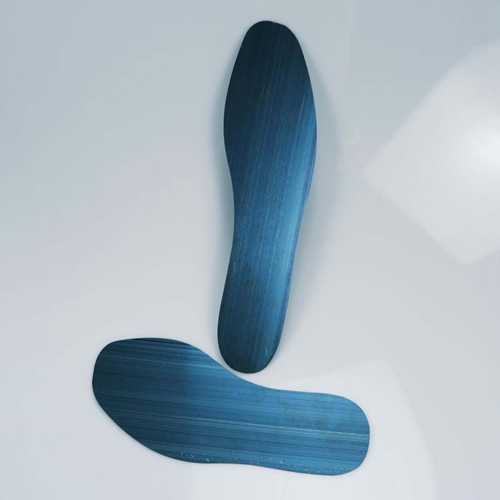
Frequently Asked Questions (FAQ)
Q: What makes a steel midsole superior to composite alternatives?
A: Steel midsoles offer uniform, robust protection across the entire sole area and are typically more resistant to a wider range of puncture threats, including very fine sharp objects, due to the inherent density and strength of steel. While composites offer lightness and thermal insulation, steel remains the gold standard for pure puncture resistance.
Q: How do you ensure the quality and compliance of your steel midsoles?
A: We adhere to ISO 9001 certified quality management systems. All our steel midsoles undergo rigorous testing, including puncture resistance tests (EN ISO 20345:2011), dimensional accuracy checks, and material composition analysis. Our products are delivered with compliance certificates.
Q: Can you provide customized steel midsoles for specific shoe designs?
A: Yes, we specialize in customized solutions. Our engineering team works with clients to develop specific designs, materials, and dimensions to integrate seamlessly with unique safety footwear models, ensuring optimal fit and protective performance.
Q: What is the typical lead time for an order?
A: Standard orders typically have a lead time of 3-4 weeks from order confirmation to shipment, depending on volume. Customized orders may require additional time for design and prototyping, usually 6-8 weeks for initial samples. We offer expedited options for urgent requirements.
Q: What warranty and after-sales support do you offer?
A: We provide a standard 12-month warranty against manufacturing defects. Our dedicated customer support team is available to assist with any technical inquiries, product issues, or reorder needs, ensuring continuous client satisfaction and operational efficiency.
Citations
- ISO 9001:2015 - Quality management systems — Requirements. International Organization for Standardization.
- EN ISO 20345:2011 - Personal protective equipment — Safety footwear. European Committee for Standardization.
- ASTM F2413-18 - Standard Specification for Performance Requirements for Protective (Safety) Toe Cap Footwear. ASTM International.
- "Safety Footwear Market Size, Share & COVID-19 Impact Analysis" - Allied Market Research. (General market data reference).
- "Handbook of Materials Selection" - Myer Kutz (Editor), John Wiley & Sons. (Reference for material properties and manufacturing processes).
-
Reliable Earls Hose Clamps for Industrial Applications – Trusted by Experts
NewsDec.09,2025
-
High-Performance Ear Type Hose Clamps for Industrial Use | Puxing Clamp
NewsDec.09,2025
-
Durable Ear Style Hose Clamps | Industrial-Grade Reliability
NewsDec.09,2025
-
Ear Hose Clamps: Durable, Cost-Effective Solutions for Industrial Applications | Puxing Clamp
NewsDec.08,2025
-
Expert Guide to Ear Hose Clamp Removal Techniques and Tools
NewsDec.08,2025
-
Comprehensive Guide to Ear Hose Clamp Pliers: Global Applications & Advantages
NewsDec.08,2025
 English
  Afrikaans
  Albanian
  Amharic
  Arabic
  Armenian
  Azerbaijani
  Basque
  Belarusian
  Bengali
  Bosnian
  Bulgarian
  Catalan
  Cebuano
  Corsican
  Croatian
  Czech
Czech  Danish
  Dutch
Dutch  Esperanto
  Estonian
  Finnish
  French
  Frisian
  Galician
  Georgian
  German
  Greek
Greek  Gujarati
  Haitian Creole
  Hausa
Hausa  Hawaiian
  Hebrew
  Hindi
Hindi  Miao
Miao  Hungarian
  Icelandic
  Igbo
Igbo  Indonesian
  Irish
Irish  Italian
  Japanese
  Javanese
  Kannada
  Kazakh
  Khmer
Khmer  Rwandese
  Korean
  Kurdish
  Kyrgyz
  Lao
Lao  Latin
Latin  Latvian
  Lithuanian
  Luxembourgish
  Macedonian
  Malgashi
  Malay
Malay  Malayalam
  Maltese
  Maori
Maori  Marathi
  Mongolian
  Myanmar
  Nepali
  Norwegian
  Norwegian
  Occitan
  Pashto
  Persian
  Polish
  Portuguese
  Punjabi
  Romanian
  Russian
  Samoan
  Scottish Gaelic
  Serbian
  Sesotho
  Shona
Shona  Sindhi
  Sinhala
  Slovak
  Slovenian
  Somali
  Spanish
  Sundanese
  Swahili
  Swedish
  Tagalog
  Tajik
Tajik  Tamil
Tamil  Tatar
Tatar  Telugu
  Thai
Thai  Turkish
  Turkmen
  Ukrainian
  Urdu
Urdu  Uighur
  Uzbek
Uzbek  Vietnamese
  Welsh
Welsh  Bantu
Bantu  Yiddish
  Yoruba
  Zulu
Zulu