- Phone:+86-17331948172 +86-0319-8862898
- E-mail: inquiry@puxingclamp.com

Sep . 11, 2025 08:20 Back to list
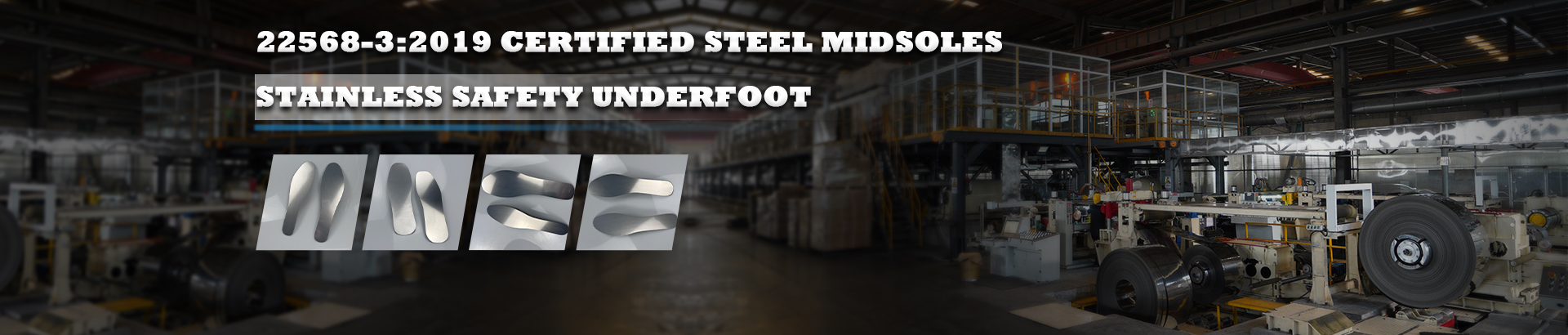
Steel Midsole: Puncture-Resistant Plates for Safety Shoes
The Indispensable Role of Steel Midsoles in Occupational Safety
In hazardous work environments, the integrity of personal protective equipment (PPE) is paramount. Among the critical components of safety footwear, the steel midsole stands as a non-negotiable barrier against puncture injuries. Its primary function is to protect the wearer's foot from sharp objects, such as nails, glass, rebar, or metal shards, that could penetrate the sole of a shoe. This protective element is especially vital in industries where floor hazards are common, including construction, manufacturing, logistics, and resource extraction.
The global market for safety footwear continues its upward trajectory, driven by stringent occupational health and safety regulations, increasing industrialization, and a heightened awareness among employers regarding employee well-being. According to a recent industry report, the safety footwear market is projected to grow at a CAGR of over 6% through 2028, with metallic components like the steel midsole playing a significant role in this expansion. This growth underscores the increasing demand for robust, reliable, and compliant foot protection solutions across diverse sectors. As businesses prioritize accident prevention and comply with international safety standards, the demand for high-performance components like the steel plate midsole escalates, reinforcing its status as a cornerstone of workplace safety.
Technical Specifications and Material Excellence
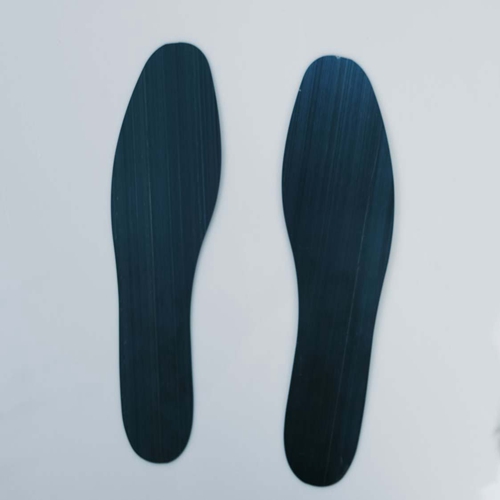
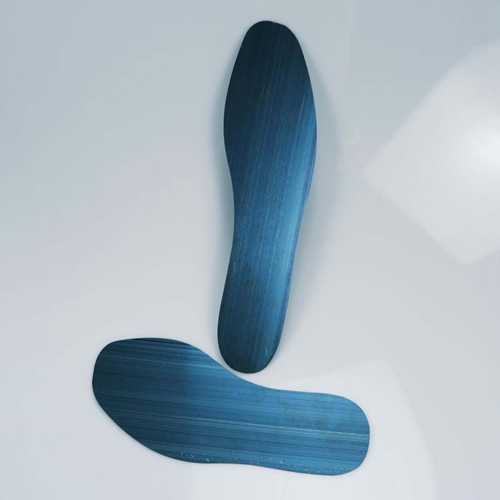
A steel midsole is typically a thin, flexible plate engineered to provide maximum puncture resistance without compromising wearer comfort or shoe flexibility. The selection of materials is critical to achieving this balance, with high-grade stainless steel being the preferred choice due to its superior mechanical properties and corrosion resistance.
Key Material Properties:
- Stainless Steel Alloys: Often 304 or 430 grade stainless steel, chosen for their excellent balance of strength, ductility, and resistance to rust and environmental degradation.
- Tensile Strength: Critical for resisting deformation and penetration. Typical tensile strength ranges from 520 to 720 MPa, ensuring the plate can withstand significant force.
- Hardness: Measured in Rockwell or Vickers, contributing to the material's ability to resist indentation and scratching from sharp objects.
- Flexibility: Despite its rigidity, the midsole must offer enough flexibility to allow for natural foot movement, preventing wearer fatigue. This is achieved through specific steel gauges and tempering processes.
- Corrosion Resistance: Essential for longevity, especially in damp or chemical-laden environments, ensuring the steel midsole maintains its protective properties over the footwear's service life.
Product Specification Table: Puxing Safety Steel Midsoles
| Parameter | Specification |
|---|---|
| Material | High-grade Stainless Steel (e.g., 304/430 equivalent) |
| Thickness | 0.4 – 0.5 mm (Customizable) |
| Puncture Resistance | ≥ 1100 N (EN 12568:2010 S3, ASTM F2413) |
| Corrosion Resistance | Excellent, suitable for wet and chemical environments |
| Flexibility | High, ergonomic design for foot comfort |
| Weight | Lightweight design for minimal footwear impact |
| Standard Compliance | EN ISO 20345, EN 12568, ASTM F2413 |
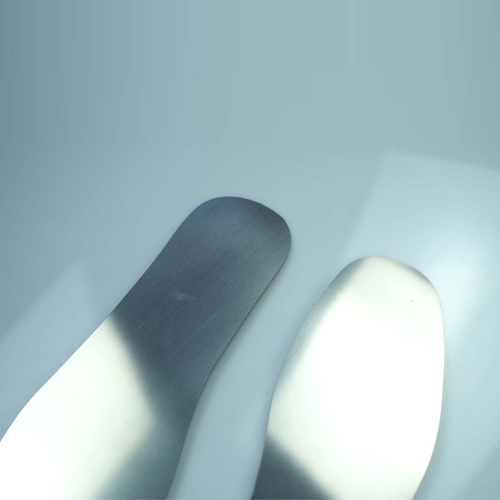
Precision Manufacturing Process of Steel Midsoles
The production of a reliable steel midsole involves a meticulous process flow, ensuring that each plate meets stringent safety and quality standards. From raw material to final inspection, precision engineering is critical to deliver superior protection.
Manufacturing Process Steps:
- Material Sourcing & Inspection: High-grade stainless steel coils are procured from certified suppliers. Incoming material undergoes rigorous testing for chemical composition, tensile strength, and surface integrity to ensure it meets ISO 9001 quality standards and specific material specifications.
- Cutting & Blanking: Large steel sheets are fed into high-precision CNC laser cutting machines or stamping presses. These machines cut the steel into specific midsole blanks according to predefined digital templates, ensuring accurate sizing and minimal material waste. This stage utilizes advanced CAD/CAM software for optimal efficiency and accuracy.
- Stamping & Forming: The cut blanks are then transferred to hydraulic stamping presses. Specialized dies are used to form the ergonomic curves and edges of the midsole, optimizing it for integration into various footwear designs. This process is crucial for achieving the desired flexibility and fit within the shoe.
- Heat Treatment (Optional, based on alloy): Depending on the specific stainless steel alloy and desired properties, certain midsoles may undergo heat treatment processes like annealing or tempering. This enhances their hardness, tensile strength, and fatigue resistance, optimizing performance for demanding conditions.
- Edge Deburring & Finishing: Any sharp edges or burrs resulting from the cutting and stamping processes are meticulously removed through automated deburring machines. This ensures a smooth, safe edge profile, preventing damage to the surrounding shoe materials or discomfort to the wearer. Surface treatments, such as polishing or coating, may also be applied to enhance corrosion resistance and aesthetics.
- Quality Control & Testing: Each batch of steel midsole plates undergoes comprehensive testing, including penetration resistance tests (e.g., against a standardized nail force of 1100N as per EN 12568 and ASTM F2413), bending tests to assess flexibility, and visual inspections for defects. Dimensions are verified using precision calipers and optical measurement systems. This robust quality assurance framework guarantees compliance with international safety standards.
- Packaging & Dispatch: Finished midsoles are carefully packaged to prevent damage during transit and stored in climate-controlled environments before dispatch to footwear manufacturers.
Diagram: Steel Midsole Production Flow
Material Selection & Inspection ➜
CNC Cutting / Stamping ➜
Forming & Bending ➜
Edge Finishing & Deburring ➜
Quality Control & Testing ➜
Packaging & Shipment
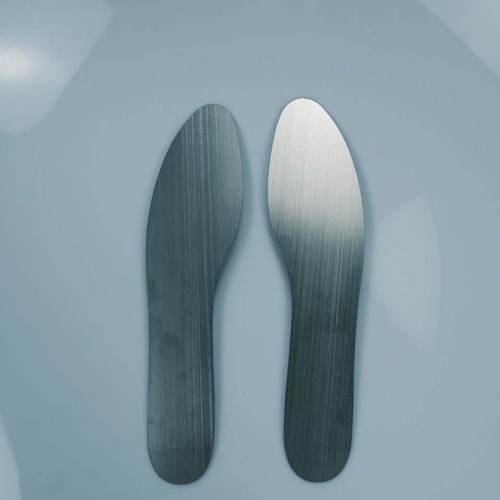
Technical Advantages of Steel Midsoles
The integration of a steel stainless midsole for safety shoes offers distinct technical advantages, making it an irreplaceable component in high-risk work environments. These benefits extend beyond mere compliance, enhancing overall safety and worker confidence.
- Unmatched Puncture Resistance: Steel midsoles provide superior protection against penetration by sharp objects. While alternative materials like composite textiles offer some protection, steel's inherent rigidity and strength deliver a higher, more reliable barrier, especially against very thin or irregularly shaped penetrants.
- Durability and Longevity: High-grade stainless steel is highly resistant to wear and tear, maintaining its structural integrity and protective qualities throughout the shoe's service life. Unlike some non-metallic alternatives that can degrade over time due to moisture, chemicals, or repeated flexing, steel retains its performance consistently.
- Broad Standard Compliance: Steel midsoles consistently meet and often exceed the most rigorous international safety standards, including EN ISO 20345 (S3, S5 categories), EN 12568, and ASTM F2413. This broad compliance simplifies procurement for global operations and ensures legal adherence in diverse jurisdictions.
- Thermal Conductivity: While often perceived as a disadvantage, steel's thermal conductivity can be managed through appropriate footwear design, offering a stable material performance across varying temperatures, unlike some plastics that may become brittle in extreme cold or soft in extreme heat.
- Cost-Effectiveness in Bulk: For wholesale shoe steel midsole procurement, steel offers excellent cost-effectiveness without compromising on safety. Its established manufacturing processes allow for efficient mass production, providing a reliable and economical solution for large-scale safety footwear programs.
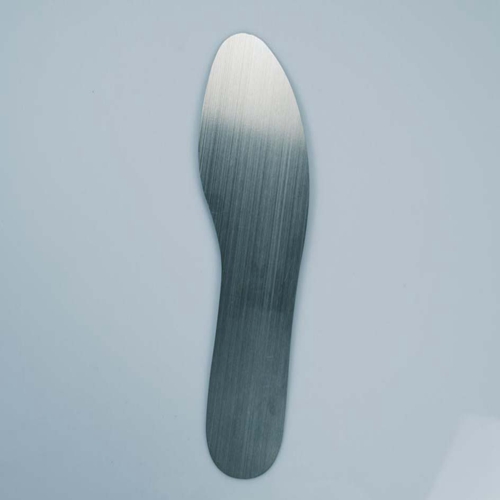
Critical Application Scenarios Across Industries
The demand for robust foot protection necessitates the consistent application of steel plate midsole technology across a spectrum of industries where foot penetration hazards are prevalent. Understanding these scenarios is key to appreciating the value of this safety component.
- Construction and Demolition: Sites are replete with nails, screws, rebar offcuts, and broken debris. A steel midsole is indispensable here, preventing catastrophic foot injuries from common ground hazards.
- Manufacturing and Fabrication: Workshops dealing with metalworking, woodworking, or assembly often have sharp swarf, discarded components, or dropped tools. The midsole acts as a vital shield against these sharp objects.
- Logistics and Warehousing: Pallets, crates, and dropped goods can leave behind splinters, broken glass, or protruding elements. Workers in these dynamic environments require reliable puncture protection.
- Mining and Quarrying: Environments with sharp rocks, metal fragments, and uneven terrain demand the highest level of sole protection. The durability and strength of steel are critical here.
- Petrochemical and Chemical Plants: While steel may not prevent chemical permeation, it provides mechanical protection against sharp metallic or geological fragments in areas where pipes or structures may be present.
- Recycling and Waste Management: These operations involve a vast array of unknown, potentially sharp objects. Steel midsoles are crucial for protecting workers sorting or moving waste.
- Agriculture and Forestry: In these sectors, workers face risks from sharp tools, thorns, or broken machinery parts.
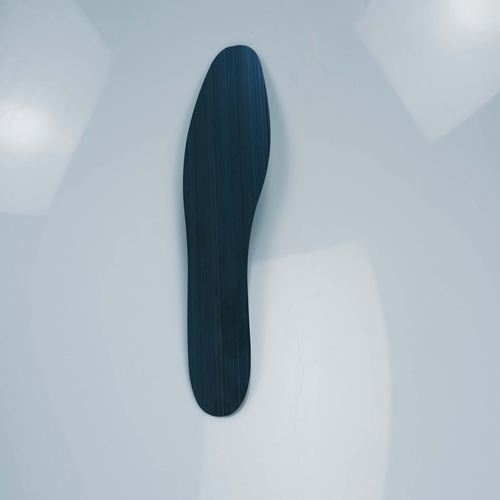
Application Case Studies: Enhancing Workplace Safety with Steel Midsoles
Real-world scenarios demonstrate the tangible benefits of integrating a steel midsole into safety footwear programs. These cases highlight how proactive measures lead to measurable improvements in worker safety and operational continuity.
Case Study 1: Large-Scale Infrastructure Project (Construction)
A major European civil engineering firm, undertaking a new railway line construction, faced persistent foot injury risks from scattered rebar, nails, and sharp aggregate. Despite providing standard safety boots, puncture incidents remained a concern, leading to lost workdays and increased insurance claims. Upon implementing a policy mandating footwear equipped with certified steel plate midsole technology, the firm reported a 70% reduction in puncture-related foot injuries over a 12-month period. This significant improvement was directly attributed to the superior barrier offered by the steel component, which consistently met EN 12568 standards for penetration resistance, leading to improved worker morale and substantial cost savings related to injury management.
Case Study 2: Automotive Manufacturing Plant (Industrial)
An automotive parts manufacturer in North America sought to upgrade its PPE program, particularly in areas with heavy machinery and metal debris. Their previous safety footwear, utilizing composite midsoles, occasionally failed when confronted with sharp metal shavings or dropped fasteners. Transitioning to safety boots featuring a steel stainless midsole for safety shoes resulted in zero recorded puncture incidents in the subsequent two years within the fabrication and assembly areas. The robustness of the steel provided an impenetrable layer against high-pressure impacts and sharp objects, ensuring greater foot protection for employees working on hard surfaces and near hazardous materials. The decision to invest in a high quality steel stainless midsole for safety shoes was justified by enhanced worker confidence and a safer operational environment.
Vendor Comparison: Choosing the Right Steel Midsole Supplier
Selecting the right supplier for a steel midsole is a strategic decision that impacts product quality, compliance, and cost-efficiency. A comprehensive vendor comparison should evaluate key attributes beyond just price.
Key Comparison Parameters for Steel Midsole Suppliers:
| Attribute | Puxing Clamp (Example) | Generic Vendor A | Generic Vendor B |
|---|---|---|---|
| Material Quality | High-grade Stainless Steel (304/430 equivalent), Certified | Standard Carbon Steel, Variable Certification | Mixed Steel Grades, Basic Certification |
| Puncture Resistance (N) | ≥ 1100 N (Exceeds EN/ASTM) | ~ 900-1000 N (Meets minimum) | ~ 1000 N (Meets minimum) |
| Flexibility | Optimized for Comfort & Mobility | Moderate | Stiff |
| Corrosion Resistance | Excellent (Stainless Steel) | Moderate (Coated) | Basic |
| Certifications | EN 12568, ASTM F2413, ISO 9001 | EN 12568 only | Limited/Self-Certified |
| Customization Options | High (Size, Thickness, Shape) | Limited | Very Limited |
| Lead Time (Wholesale) | Competitive (3-4 weeks typical) | Varies (4-8 weeks) | Long (6-10 weeks) |
When seeking a high quality steel stainless midsole for safety shoes, it's crucial to assess a vendor's commitment to consistent quality, adherence to international standards, and their capacity for technical support and customization. Puxing Clamp, for instance, emphasizes stringent material selection and advanced manufacturing to ensure every steel midsole meets the highest benchmarks for safety and durability.
Customized Solutions for Specialized Footwear Needs
Recognizing that diverse industrial applications demand tailored solutions, manufacturers of steel midsole components often provide extensive customization options. This flexibility is particularly valuable for safety footwear brands and large industrial clients requiring specific dimensions, material grades, or integration features.
Customization Capabilities Include:
- Dimension and Shape Customization: Midsoles can be designed to specific lengths, widths, and anatomical shapes to fit a wide range of shoe sizes and lasts, including gender-specific or specialized orthopedic footwear designs.
- Thickness and Gauge Variation: While standard thicknesses exist, clients may request variations to optimize for specific hazard levels or to balance protection with reduced weight/increased flexibility.
- Material Specification: Beyond standard stainless steel, specific alloys with enhanced properties like magnetic permeability (for certain security environments) or even greater corrosion resistance can be utilized.
- Edge Treatment and Finishing: Options for specialized edge treatments, such as rounded or chamfered edges, can be provided to facilitate easier integration into shoe construction and prevent material wear.
- Branding and Marking: Customized laser engraving or stamping for branding, batch numbers, or compliance markings can be integrated into the midsole production process for wholesale shoe steel midsole orders.
Collaborating with an experienced manufacturer allows for the development of bespoke steel midsole solutions that seamlessly integrate into unique footwear designs, ensuring optimal safety performance and comfort without compromise. This tailored approach is a hallmark of truly professional B2B service in the safety component sector.
Frequently Asked Questions (FAQ) about Steel Midsoles
Q1: What is the lifespan of a steel midsole?
A1: A well-manufactured steel midsole is designed to last the lifetime of the safety shoe it's integrated into. Unlike some textile alternatives that can degrade with repeated flexing or exposure to moisture, steel maintains its structural integrity and puncture resistance over many years, provided the shoe itself remains intact.
Q2: Are steel midsoles comfortable? Do they make shoes heavy?
A2: Modern steel plate midsole designs are engineered to be thin and flexible, adding minimal weight while allowing for natural foot movement. High-grade stainless steel is used, which provides exceptional strength at minimal thickness. While a slight weight increase compared to non-protective footwear is inevitable, it is negligible in quality safety shoes designed for ergonomic comfort.
Q3: How do I ensure I'm getting a high-quality steel midsole from a supplier?
A3: Look for suppliers who provide comprehensive certification documentation (e.g., EN 12568, ASTM F2413), conduct rigorous in-house quality control, and can provide traceability for their materials. Reputable manufacturers will also offer clear product specifications and stand by their products with warranties and robust customer support.
Q4: Can steel midsoles be used in all types of safety footwear?
A4: Yes, steel stainless midsole for safety shoes can be integrated into most types of safety footwear, including boots, shoes, and even some specialized welly boots, provided the design accommodates the plate. Customization options ensure compatibility with various footwear designs and manufacturing processes.
Lead Time, Warranty, and Customer Support
For B2B clients, predictability in logistics and robust post-sales support are as crucial as product quality. At Puxing Clamp, we are committed to providing transparent lead times, comprehensive warranties, and responsive customer service for our steel midsole products.
Lead Time & Order Fulfillment:
Typical lead times for standard wholesale shoe steel midsole orders range from 3 to 4 weeks, depending on order volume and specific customization requirements. Expedited options may be available upon request. We utilize efficient production planning and a robust supply chain to ensure timely delivery and minimize disruptions to your manufacturing schedule.
Warranty Commitments:
Our steel midsole products come with a standard 12-month warranty against manufacturing defects, effective from the date of shipment. This warranty covers material and workmanship failures under normal use. Full warranty terms and conditions are provided with every order, reflecting our confidence in the durability and performance of our products.
Dedicated Customer Support:
Our dedicated technical support team is available to assist with product selection, technical specifications, and post-sales inquiries. We offer responsive email and phone support, along with detailed product documentation, to ensure our clients receive the necessary assistance for seamless integration and long-term satisfaction. Our goal is to forge lasting partnerships through exceptional product quality and unwavering support.
Conclusion
The steel midsole remains an indispensable component in the realm of occupational safety footwear, offering unparalleled puncture resistance and durability crucial for protecting workers in hazardous environments. Its proven performance, backed by rigorous international standards, makes it a preferred choice for industries ranging from construction to manufacturing. Investing in high-quality steel midsoles is not merely a compliance requirement but a strategic decision to enhance worker safety, reduce injury-related costs, and foster a more secure and productive workplace.
As safety regulations evolve and industrial landscapes present new challenges, the demand for robust and reliable foot protection will only intensify. Manufacturers like Puxing Clamp are committed to continuous innovation, ensuring that steel plate midsole technology continues to meet and exceed these critical safety requirements, offering peace of mind to both employers and employees.
References
- European Standard EN 12568:2010 - Foot and leg protectors - Requirements and test methods for toecaps and penetration resistant inserts.
- ASTM F2413 - 18, Standard Specification for Performance Requirements for Protective (Safety) Toe Cap Footwear. ASTM International, West Conshohocken, PA, 2018.
- ISO 9001:2015 - Quality management systems - Requirements. International Organization for Standardization.
- Occupational Safety and Health Administration (OSHA) - Personal Protective Equipment (PPE) Standards. U.S. Department of Labor.
- Research and Markets. "Safety Footwear Market - Global Outlook and Forecast 2023-2028." Published October 2023.
-
Reliable Earls Hose Clamps for Industrial Applications – Trusted by Experts
NewsDec.09,2025
-
High-Performance Ear Type Hose Clamps for Industrial Use | Puxing Clamp
NewsDec.09,2025
-
Durable Ear Style Hose Clamps | Industrial-Grade Reliability
NewsDec.09,2025
-
Ear Hose Clamps: Durable, Cost-Effective Solutions for Industrial Applications | Puxing Clamp
NewsDec.08,2025
-
Expert Guide to Ear Hose Clamp Removal Techniques and Tools
NewsDec.08,2025
-
Comprehensive Guide to Ear Hose Clamp Pliers: Global Applications & Advantages
NewsDec.08,2025
 English
  Afrikaans
  Albanian
  Amharic
  Arabic
  Armenian
  Azerbaijani
  Basque
  Belarusian
  Bengali
  Bosnian
  Bulgarian
  Catalan
  Cebuano
  Corsican
  Croatian
  Czech
Czech  Danish
  Dutch
Dutch  Esperanto
  Estonian
  Finnish
  French
  Frisian
  Galician
  Georgian
  German
  Greek
Greek  Gujarati
  Haitian Creole
  Hausa
Hausa  Hawaiian
  Hebrew
  Hindi
Hindi  Miao
Miao  Hungarian
  Icelandic
  Igbo
Igbo  Indonesian
  Irish
Irish  Italian
  Japanese
  Javanese
  Kannada
  Kazakh
  Khmer
Khmer  Rwandese
  Korean
  Kurdish
  Kyrgyz
  Lao
Lao  Latin
Latin  Latvian
  Lithuanian
  Luxembourgish
  Macedonian
  Malgashi
  Malay
Malay  Malayalam
  Maltese
  Maori
Maori  Marathi
  Mongolian
  Myanmar
  Nepali
  Norwegian
  Norwegian
  Occitan
  Pashto
  Persian
  Polish
  Portuguese
  Punjabi
  Romanian
  Russian
  Samoan
  Scottish Gaelic
  Serbian
  Sesotho
  Shona
Shona  Sindhi
  Sinhala
  Slovak
  Slovenian
  Somali
  Spanish
  Sundanese
  Swahili
  Swedish
  Tagalog
  Tajik
Tajik  Tamil
Tamil  Tatar
Tatar  Telugu
  Thai
Thai  Turkish
  Turkmen
  Ukrainian
  Urdu
Urdu  Uighur
  Uzbek
Uzbek  Vietnamese
  Welsh
Welsh  Bantu
Bantu  Yiddish
  Yoruba
  Zulu
Zulu