- Phone:+86-17331948172 +86-0319-8862898
- E-mail: inquiry@puxingclamp.com

Oct . 24, 2025 12:30 Back to list
Steel Midsole for Safety Shoes | Puncture-Proof Stainless
Field Notes on the Steel Midsole Trend: Tough, Simple, and Still Very Relevant
After two decades writing about safety footwear, here’s the honest take: composites get the buzz, but the humble Steel Midsole still wins a lot of purchase orders. Especially when budgets are tight and job sites are rough. The product I looked at most recently is made in East Zhaozhuang Village, Shahe Town, Xingtai, Hebei—an area that knows metalwork cold.
What it is and why it’s still around
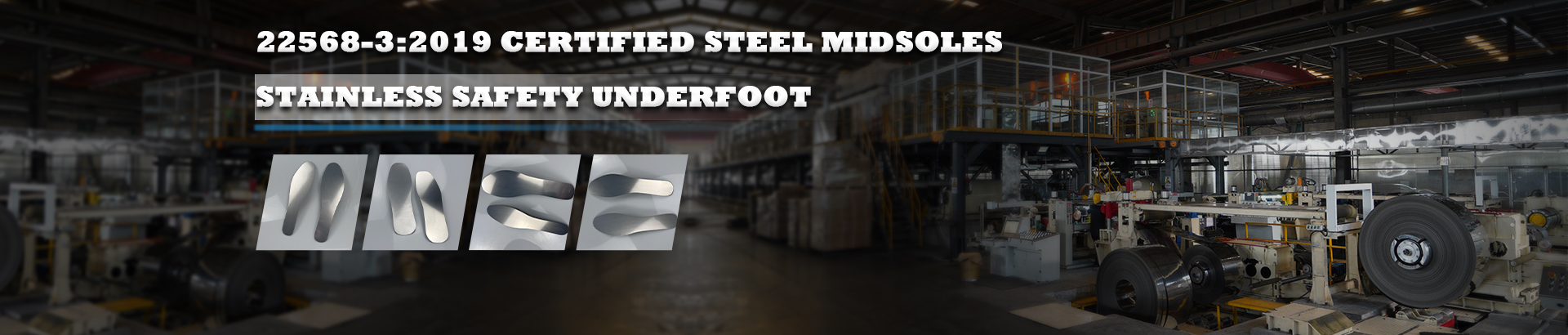
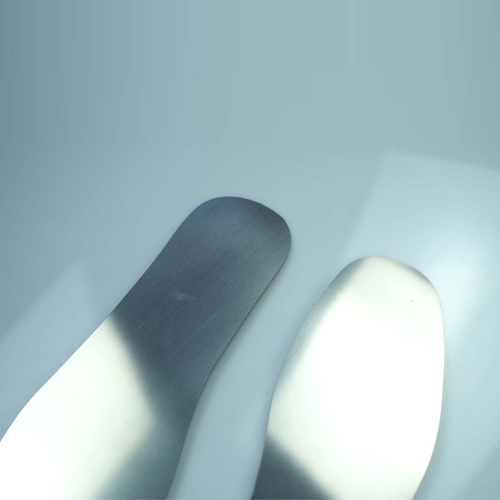
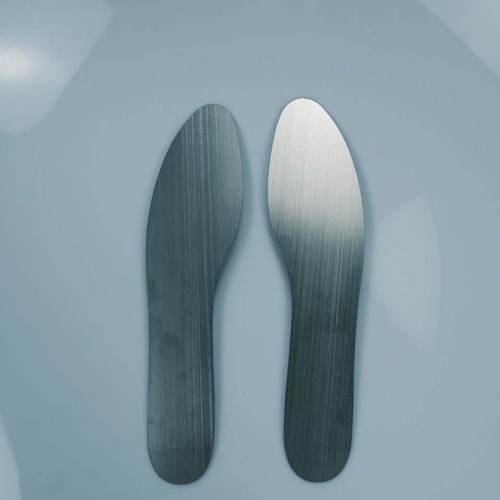
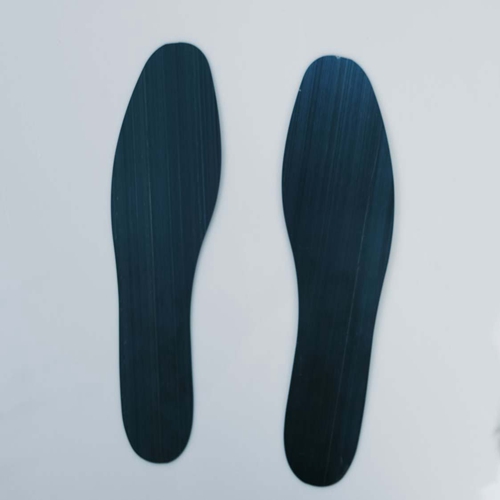
The Steel Midsole is a thin manganese-steel insert (≈0.49–0.50 mm) embedded between the outsole and insole to stop nails, shards, and rebar from punching through. It’s the unsung partner to the toe cap. Many buyers tell me they stick with steel because it’s predictable, heat-tolerant, and, frankly, cost-effective. Composite inserts are lighter, yes; but steel’s puncture resistance is easier to verify and less sensitive to sharp, thin hazards.
Product snapshot and specs
| Item | Mn-steel midsole insert (black coating) |
| Material | Manganese steel, cold-rolled, heat-treated |
| Thickness | 0.49–0.50 mm (≈) |
| Penetration resistance | ≥1200 N (lab), real-world may vary by shoe build |
| Standard | Designed to EN 12568 (often noted as EN “22568” on some datasheets) |
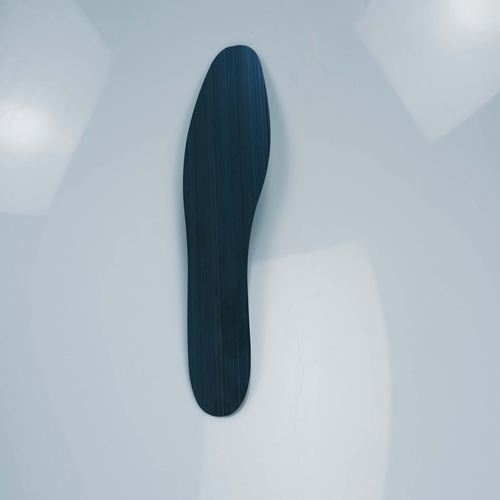
| Color/Finish | Black anti-corrosion coating |
| Sizes | EU 36–47 (custom die-cuts available) |
| Service life | ~12–36 months, depending on terrain and flex cycles |
| Functions | Anti-puncture, supports anti-static builds, oil-resistant shoe systems |
Process and quality flow (short version)
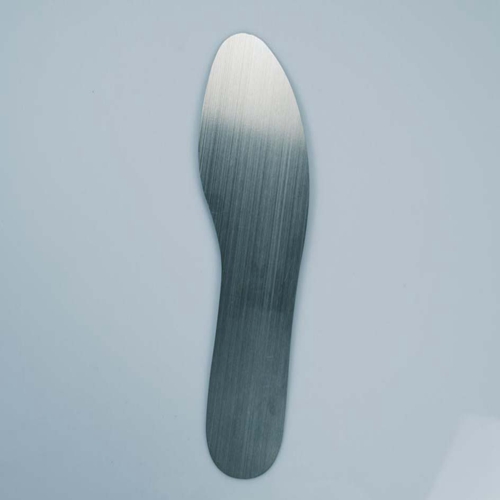
Material selection → coil slitting → blanking → heat treatment for strength and toughness → edge deburring → surface coating → precision die-cutting → 100% visual check → batch puncture tests. Labs typically follow EN 12568/EN ISO 20344 methods (4.5 mm nail; force up to 1100–1200 N). Some factories add salt-spray checks (24–48 h) and flex testing to ≈1,000,000 cycles. To be honest, that last number depends on shoe design more than the plate itself.
Where it’s used
Construction and demolition, waste and recycling, logistics yards, automotive assembly (metal swarf), shipbuilding, utilities, and oil & gas walkways. If your crew steps on sharp stuff, a Steel Midsole earns its keep.
Vendor comparison (field notes)
| Option | Mn-Steel (Hebei) | Aramid/Composite Insert | Generic Steel (No-brand) |
| Thickness / Weight | 0.49–0.50 mm; ≈55–70 g | ≈3–4 mm; ≈35–50 g | 0.45–0.55 mm; varies |
| Puncture (lab) | Up to 1200 N | 1100–1200 N (method-dependent) | 900–1100 N (inconsistent) |
| Heat tolerance | Excellent | Good (avoid high radiant heat) | Varies |
| Cert path | EN 12568 component; used in EN ISO 20345 boots | EN 12568 (textile) route | Unclear |
| Customization | Die-cut, size marks, OEM logo | Die-cut; stitching channels | Limited |
Customization and integration
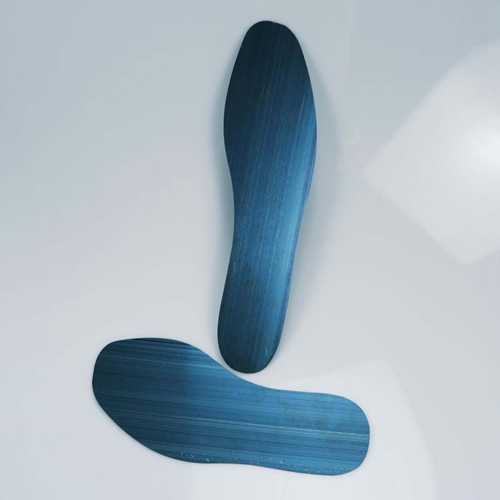
Factories can tweak outline radius for toe springs, add anti-fatigue notches, stamp sizes (36–47), and pack matched left/right. If you’re building S1P/S3 footwear, confirm anti-static pathways and adhesive compatibility with your outsole compound (PU/TPU/nitrile), just to be safe.
Mini case files
- Demolition crew, Rotterdam: switched to Steel Midsole after composite inserts showed pin-prick punctures from fine wire—nuisance solved, slight weight penalty accepted.
- Waste sorting plant, Hebei: OEM used the Hebei plate; EN 12568 test averaged 1180 N; site reported fewer sole failures over 9 months. Not scientific, but telling.
Standards, testing, and notes
Component plates are assessed to EN 12568; finished boots get certified to EN ISO 20345 (S1P/S3 lines). North American buyers will map performance to ASTM F2413 and CSA Z195. Always validate puncture results with your actual outsole stack-up; lab values can drift once adhesives, textiles, and footbeds enter the picture.
Bottom line
Composites trend upward, sure. But the classic Steel Midsole remains a reliable, high-value way to harden footwear against underfoot hazards. For rough sites and tighter budgets, it’s still the straightest line to safety.
- EN 12568:2010+A1:2015 — Foot and leg protection — Requirements and test methods for toe caps and penetration-resistant inserts
- EN ISO 20345:2022 — Safety footwear
- ASTM F2413-18 — Standard Specification for Performance Requirements for Protective (Safety) Toe Cap Footwear
- CSA Z195 — Protective footwear
-
Reliable Earls Hose Clamps for Industrial Applications – Trusted by Experts
NewsDec.09,2025
-
High-Performance Ear Type Hose Clamps for Industrial Use | Puxing Clamp
NewsDec.09,2025
-
Durable Ear Style Hose Clamps | Industrial-Grade Reliability
NewsDec.09,2025
-
Ear Hose Clamps: Durable, Cost-Effective Solutions for Industrial Applications | Puxing Clamp
NewsDec.08,2025
-
Expert Guide to Ear Hose Clamp Removal Techniques and Tools
NewsDec.08,2025
-
Comprehensive Guide to Ear Hose Clamp Pliers: Global Applications & Advantages
NewsDec.08,2025
 English
  Afrikaans
  Albanian
  Amharic
  Arabic
  Armenian
  Azerbaijani
  Basque
  Belarusian
  Bengali
  Bosnian
  Bulgarian
  Catalan
  Cebuano
  Corsican
  Croatian
  Czech
Czech  Danish
  Dutch
Dutch  Esperanto
  Estonian
  Finnish
  French
  Frisian
  Galician
  Georgian
  German
  Greek
Greek  Gujarati
  Haitian Creole
  Hausa
Hausa  Hawaiian
  Hebrew
  Hindi
Hindi  Miao
Miao  Hungarian
  Icelandic
  Igbo
Igbo  Indonesian
  Irish
Irish  Italian
  Japanese
  Javanese
  Kannada
  Kazakh
  Khmer
Khmer  Rwandese
  Korean
  Kurdish
  Kyrgyz
  Lao
Lao  Latin
Latin  Latvian
  Lithuanian
  Luxembourgish
  Macedonian
  Malgashi
  Malay
Malay  Malayalam
  Maltese
  Maori
Maori  Marathi
  Mongolian
  Myanmar
  Nepali
  Norwegian
  Norwegian
  Occitan
  Pashto
  Persian
  Polish
  Portuguese
  Punjabi
  Romanian
  Russian
  Samoan
  Scottish Gaelic
  Serbian
  Sesotho
  Shona
Shona  Sindhi
  Sinhala
  Slovak
  Slovenian
  Somali
  Spanish
  Sundanese
  Swahili
  Swedish
  Tagalog
  Tajik
Tajik  Tamil
Tamil  Tatar
Tatar  Telugu
  Thai
Thai  Turkish
  Turkmen
  Ukrainian
  Urdu
Urdu  Uighur
  Uzbek
Uzbek  Vietnamese
  Welsh
Welsh  Bantu
Bantu  Yiddish
  Yoruba
  Zulu
Zulu