- Phone:+86-17331948172 +86-0319-8862898
- E-mail: inquiry@puxingclamp.com

Nov . 14, 2025 13:00 Back to list
Durable 316 Stainless Steel Strip Solutions for Industrial Use
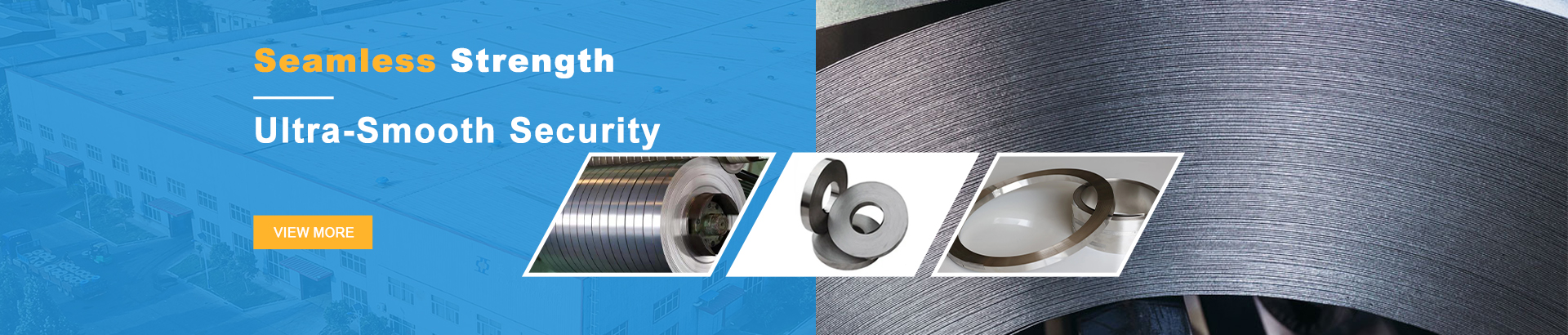
316 Stainless Steel Strip is a key solution in the industry, specifically within manufacturing, automotive, and construction sectors. This article explores how https://www.puxingclamp.com supports professionals with durable, high-performance products, and explains why this product is an ideal choice for businesses in these sectors.
Table of Contents
- 316 Stainless Steel Strip Overview
- Benefits & Use Cases of 316 Stainless Steel Strip
- Cost, Maintenance & User Experience
- Sustainability & Market Trends
- Frequently Asked Questions
- Conclusion on 316 Stainless Steel Strip from China
316 Stainless Steel Strip Overview
If you’re reading this, chances are you appreciate materials that don’t just look good on paper but deliver real-world performance. 316 Stainless Steel Strip fits that bill perfectly. It's an austenitic stainless steel alloy that includes molybdenum, boosting its corrosion resistance, particularly against chlorides — think salty air or chemical exposure. This property makes it a go-to for many industrial applications where durability and resilience can't be compromised.
Technically speaking, 316 Stainless Steel Strip typically features a composition of roughly 16-18% chromium, 10-14% nickel, and 2-3% molybdenum. The strip form offers versatility in fabrication, whether it’s punching, bending, or cutting. I’ve noticed that in operations like food processing machinery or marine equipment, its performance holds up — often outlasting other materials by years.
| Specification | Details |
|---|---|
| Material Composition | 16-18% Cr, 10-14% Ni, 2-3% Mo |
| Thickness Range | 0.1 mm to 3.0 mm (custom cuts available) |
| Width Range | 5 mm to 200 mm |
| Surface Finish | 2B, BA, or customized polished |
| Standard Compliance | ASTM A240, ISO 9001 |
Benefits & Use Cases of 316 Stainless Steel Strip
What’s so compelling about 316 Stainless Steel Strip is its exceptional resistance against corrosion and high tensile strength, making it a perfect fit for harsh environments. Think marine applications where saltwater wreaks havoc or chemical processing plants battling corrosive substances day in and out. It’s kind of the unsung hero of stainless steels because it balances cost with performance quite well.
In manufacturing, strips of this grade are often used in precision parts, sealing components, and clamping devices. Many engineers I’ve talked to mention its ease of fabrication without compromising structural integrity — which, frankly, can be a rare combo. Plus, the longevity of 316 strips means fewer replacements and less downtime, which in real terms, translates to better margins.
Cost, Maintenance & User Experience
While 316 Stainless Steel Strip may initially seem pricier than some alternatives, it's crucial to look beyond upfront costs. Durability means fewer replacements — cutting long-term expenses and maintenance needs. Business decision makers know this: investing in a product that lasts largely pays for itself. There's a certain peace of mind when your components withstand fatigue, corrosion, and everyday abuse.
Feedback from customers reveals consistent satisfaction, particularly regarding ease of cleaning and resistance to staining. Some even noted that switching to 316 strips from inferior alloys decreased their maintenance labor by roughly 30%. That's a tidy saving, especially over large-scale production runs.
Sustainability & Market Trends
Sustainability is no longer a buzzword—it's a business imperative. Choosing 316 Stainless Steel Strip aligns with this trend because stainless steel is highly recyclable. The stainless steel market, especially for grades like 316, continues to grow as industries demand materials that meet environmental standards without sacrificing quality or reliability.
Regulatory frameworks worldwide increasingly encourage durable, recyclable metals in manufacturing. The trend pushes companies toward suppliers like PuxingClamp who champion green practices and long-term product stewardship. Plus, its versatility means less waste during production — a small but meaningful contribution towards circular economy goals.
| Vendor | Quality Certification | Pricing | Customization Options | Lead Time |
|---|---|---|---|---|
| PuxingClamp | ISO 9001, ASTM A240 | Competitive | Wide range (thickness, width, finish) | 2-4 weeks |
| Vendor B | ISO 9001 | Medium | Limited sizes | 3-5 weeks |
| Vendor C | None specified | Low | Minimal customization | 4-6 weeks |
Frequently Asked Questions about 316 Stainless Steel Strip
- What is 316 Stainless Steel Strip and how does it work?
- 316 Stainless Steel Strip is a thin, flat metal product made from an alloy containing chromium, nickel, and molybdenum. This composition gives the strip excellent resistance to corrosion and ensures it maintains strength and flexibility for industrial applications.
- What are the main benefits of using 316 Stainless Steel Strip in industrial applications?
- Its primary advantages include outstanding corrosion resistance, high tensile strength, durability, and ease of fabrication. These benefits help reduce maintenance costs and improve the lifespan of components where the strip is used.
- How does 316 Stainless Steel Strip compare to traditional alternatives?
- Compared to conventional steel strips, 316 grade strips resist rust and chemical damage more effectively, especially in harsh environments. This results in longer service life and lower total cost of ownership despite a slightly higher initial price.
- What industries can benefit most from 316 Stainless Steel Strip implementation?
- Industries such as marine, food processing, chemical manufacturing, pharmaceutical, and automotive often rely on 316 stainless steel strip for its resilience and compliance with strict hygiene and environmental standards.
Conclusion on 316 Stainless Steel Strip from china
To wrap it up, 316 Stainless Steel Strip remains a top-tier choice for businesses that value durability, corrosion resistance, and cost-effectiveness. It often feels like the safe bet that outperforms expectations — especially when sourced from reliable manufacturers such as PuxingClamp who stand behind quality and customization. For those seeking lasting, high-quality metal strips with proven industrial pedigree, it’s worth a close look.
- Visit our website: https://www.puxingclamp.com
References:
- PuxingClamp product datasheets and customer reviews (2024)
- Industry reports on stainless steel usage, Metal Bulletin (2023)
- International stainless steel standards, ASTM and ISO guidelines (2024)
-
Reliable Earls Hose Clamps for Industrial Applications – Trusted by Experts
NewsDec.09,2025
-
High-Performance Ear Type Hose Clamps for Industrial Use | Puxing Clamp
NewsDec.09,2025
-
Durable Ear Style Hose Clamps | Industrial-Grade Reliability
NewsDec.09,2025
-
Ear Hose Clamps: Durable, Cost-Effective Solutions for Industrial Applications | Puxing Clamp
NewsDec.08,2025
-
Expert Guide to Ear Hose Clamp Removal Techniques and Tools
NewsDec.08,2025
-
Comprehensive Guide to Ear Hose Clamp Pliers: Global Applications & Advantages
NewsDec.08,2025
 English
  Afrikaans
  Albanian
  Amharic
  Arabic
  Armenian
  Azerbaijani
  Basque
  Belarusian
  Bengali
  Bosnian
  Bulgarian
  Catalan
  Cebuano
  Corsican
  Croatian
  Czech
Czech  Danish
  Dutch
Dutch  Esperanto
  Estonian
  Finnish
  French
  Frisian
  Galician
  Georgian
  German
  Greek
Greek  Gujarati
  Haitian Creole
  Hausa
Hausa  Hawaiian
  Hebrew
  Hindi
Hindi  Miao
Miao  Hungarian
  Icelandic
  Igbo
Igbo  Indonesian
  Irish
Irish  Italian
  Japanese
  Javanese
  Kannada
  Kazakh
  Khmer
Khmer  Rwandese
  Korean
  Kurdish
  Kyrgyz
  Lao
Lao  Latin
Latin  Latvian
  Lithuanian
  Luxembourgish
  Macedonian
  Malgashi
  Malay
Malay  Malayalam
  Maltese
  Maori
Maori  Marathi
  Mongolian
  Myanmar
  Nepali
  Norwegian
  Norwegian
  Occitan
  Pashto
  Persian
  Polish
  Portuguese
  Punjabi
  Romanian
  Russian
  Samoan
  Scottish Gaelic
  Serbian
  Sesotho
  Shona
Shona  Sindhi
  Sinhala
  Slovak
  Slovenian
  Somali
  Spanish
  Sundanese
  Swahili
  Swedish
  Tagalog
  Tajik
Tajik  Tamil
Tamil  Tatar
Tatar  Telugu
  Thai
Thai  Turkish
  Turkmen
  Ukrainian
  Urdu
Urdu  Uighur
  Uzbek
Uzbek  Vietnamese
  Welsh
Welsh  Bantu
Bantu  Yiddish
  Yoruba
  Zulu
Zulu