- Phone:+86-17331948172 +86-0319-8862898
- E-mail: inquiry@puxingclamp.com

Oct . 12, 2025 11:05 Back to list
316L Stainless Steel Strip – Corrosion Resistant, Precision
What I’m Seeing in the 316L Stainless Steel Strip Market Right Now
If you work around clamps, tubing, or precision springs, you probably already eye the price charts of nickel like the weather. Lately, demand is tilting toward 316l stainless steel strip for one very practical reason: it just survives tougher environments. I’ve toured lines from Hebei to the coast, and—surprisingly—the best balance of cost, traceability, and corrosion resistance often comes from lean, well-tuned slitting shops rather than mega-mills.
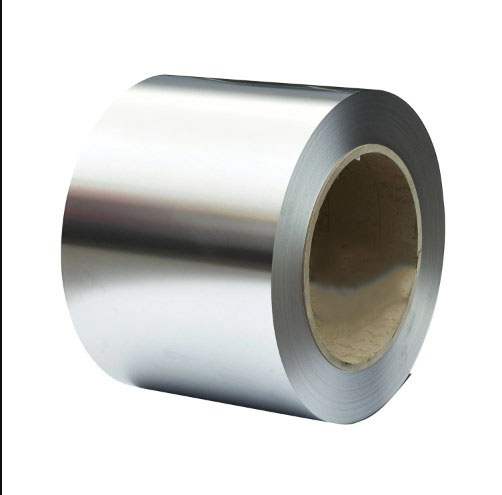
Why 316L (and when not to overpay)
316L is the low‑carbon sibling of 316, alloyed with molybdenum, which boosts resistance to chlorides and many acids. In food lines by the sea or chemical dosing skids, it’s often the difference between annual replacements and multi‑year service. Many customers say 304 “is fine until it isn’t,” especially with salt spray. However, if you’re in benign indoor service, 304 or even 202 can be smarter on cost. Real-world use may vary, of course.
Product snapshot (Factory Direct: SS201/SS304/SS202/SS316)
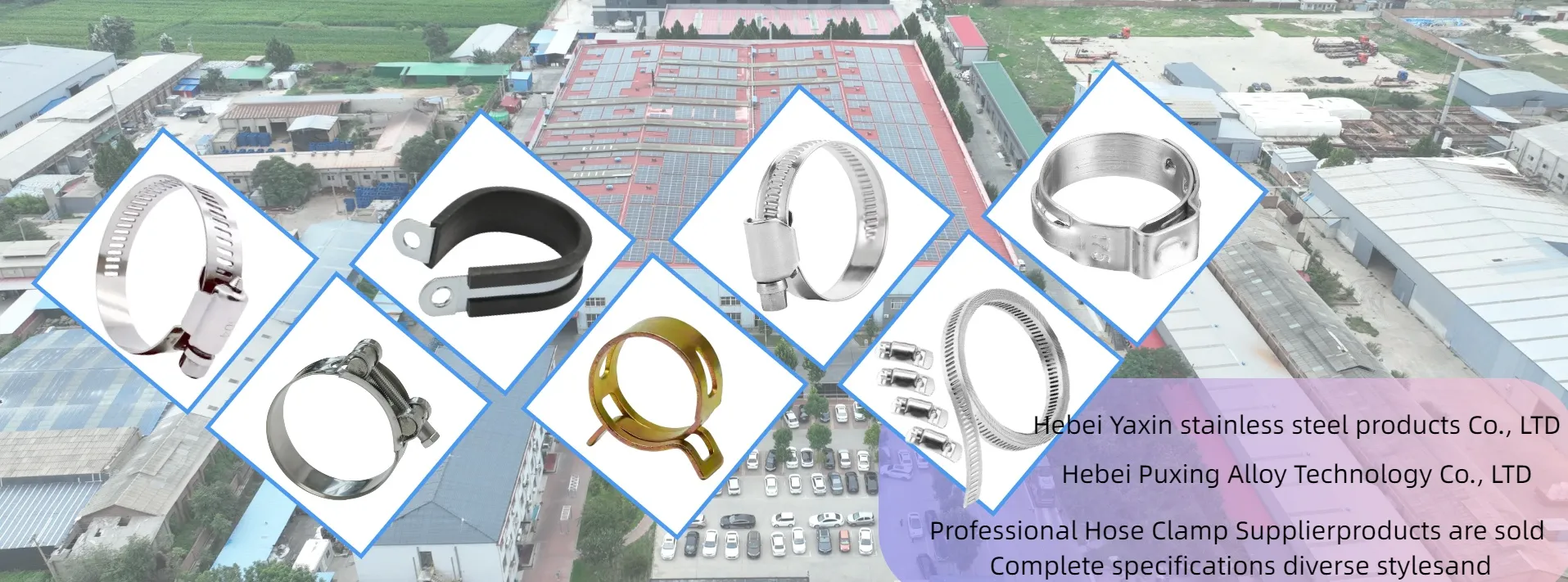
Origin: East Zhaozhuang Village, Shahe Town, Xingtai City, Hebei Province, China. Producer line frequently referenced: Hebei Yaxin Stainless Steel Products Co., Ltd (sold via Puxing Clamp). Applications include kitchenware, glass lids, hose clamps, coil springs, armoured cable, electronic parts—plus the tougher uses where 316l stainless steel strip shines.
| Spec | Typical for 316L Strip | Notes |
|---|---|---|
| Thickness | 0.1–2.0 mm | Cold‑rolled; tolerances per ISO 9445 ≈ real-world may vary by width |
| Width | 4–690 mm | Tight slit edges; deburred optional |
| Finishes | 2B / BA / polished / fogging | Roughness targets on request |
| Mechanical (annealed) | UTS ≈ 485 MPa; YS ≈ 170–205 MPa; El. ≈ 40% | Per ASTM A666; HRB ≤ 95 |
| Corrosion suite | Passivation ASTM A967; Salt spray ASTM B117 | Project-specific testing available |
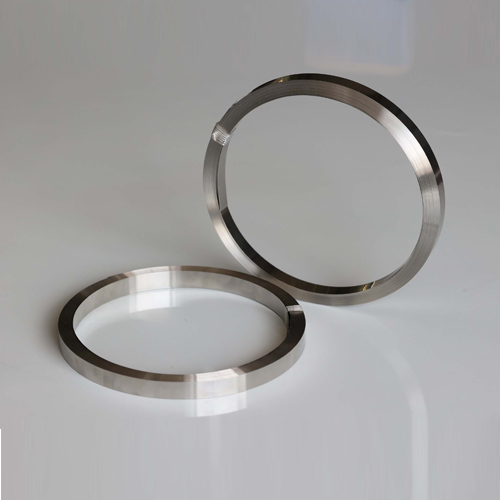
Process flow (how the better coils are made)
Materials: 316L slabs per ASTM A240/A480 → hot rolling → anneal & pickle → cold rolling to gauge → tension leveling → precision slitting (4–690 mm) → degrease → BA/2B/polish → passivation (as needed) → packaging (wrap + edge guards + pallet). QC gates include PMI, thickness profile, flatness, burr height, hardness and intergranular screening (ASTM A262 when specified). Service life? In marine clamp use, customers report 3–7+ years with 316l stainless steel strip versus ≈1–3 with 304 in similar chloride load—always depends on design and cleaning regime.
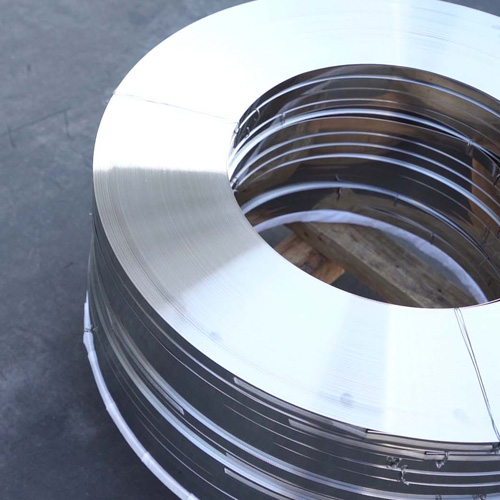
Where it’s winning (and why)
- Marine hardware and hose clamps near splash zones
- Chemical dosing skids, mild acid/alkali exposure
- Food processing with chloride cleaners (rinse discipline matters)
- Medical and lab fixtures needing low carbon 316L for weld zones
- Electronics shielding springs that can’t rust-stain
Customer feedback, paraphrased: “Salt spray testing passed 500+ hours with BA finish.” Another buyer mentioned fewer warranty returns after switching to 316l stainless steel strip for clamps used on coastal HVAC rooftops.
Vendor landscape (field notes)
| Vendor | Strengths | Watchouts |
|---|---|---|
| Hebei Yaxin / Puxing (origin: Xingtai) | Tight slit widths; flexible MOQ; finish variety; traceable heats; ISO docs available | Lead time spikes during Q4 export rush |
| Regional Trader A | Fast spot deliveries; mixed-mill sourcing | Inconsistent burr control; paperwork gaps |
| Overseas Mill B | Excellent BA finish; stable nickel surcharges | Large MOQ; longer transit; limited custom widths |
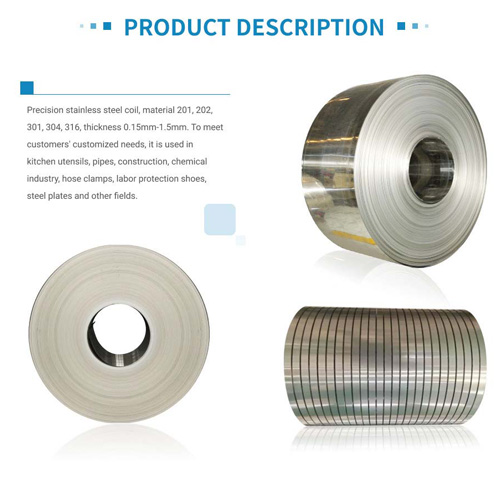
Customization and paperwork
Common asks: edge deburr to ≤0.03 mm, oil‑free BA for adhesive laminates, coil ID 300/400/508 mm, camber control, and laser-etch heat numbers. Certifications typically include mill test certificate (EN 10204 3.1), RoHS/REACH, and passivation record if requested. For regulated builds, reference ASTM A240 for material and ASTM A967 for passivation; EN 10088 for composition limits.
Two quick case stories
- Coastal HVAC clamps: switching to 316l stainless steel strip cut corrosion claims by ≈60% over 18 months (sample size: three contractors, ~8,000 clamps).
- Food plant spring strips: BA finish reduced residue pickup; line ran 4 months longer between changeovers, according to maintenance logs.
Authoritative standards and references
- ASTM A240/A240M – Chromium and Chromium-Nickel Stainless Steel Plate, Sheet, and Strip.
- ASTM A480/A480M – General Requirements for Flat-Rolled Stainless Steel.
- ASTM A666 – Annealed or Cold-Worked Austenitic Stainless Steel Sheet, Strip, Plate.
- ASTM A967 – Chemical Passivation Treatments for Stainless Steel Parts.
- ASTM B117 – Standard Practice for Operating Salt Spray (Fog) Apparatus.
- ASTM A262 – Detecting Susceptibility to Intergranular Attack in Austenitic Stainless Steels.
- EN 10088-2 – Stainless steels, Technical delivery conditions for sheet/plate/strip.
- ISO 9445-2 – Cold-rolled narrow strip of stainless steel — Tolerances on dimensions and form.
-
Reliable Earls Hose Clamps for Industrial Applications – Trusted by Experts
NewsDec.09,2025
-
High-Performance Ear Type Hose Clamps for Industrial Use | Puxing Clamp
NewsDec.09,2025
-
Durable Ear Style Hose Clamps | Industrial-Grade Reliability
NewsDec.09,2025
-
Ear Hose Clamps: Durable, Cost-Effective Solutions for Industrial Applications | Puxing Clamp
NewsDec.08,2025
-
Expert Guide to Ear Hose Clamp Removal Techniques and Tools
NewsDec.08,2025
-
Comprehensive Guide to Ear Hose Clamp Pliers: Global Applications & Advantages
NewsDec.08,2025
 English
  Afrikaans
  Albanian
  Amharic
  Arabic
  Armenian
  Azerbaijani
  Basque
  Belarusian
  Bengali
  Bosnian
  Bulgarian
  Catalan
  Cebuano
  Corsican
  Croatian
  Czech
Czech  Danish
  Dutch
Dutch  Esperanto
  Estonian
  Finnish
  French
  Frisian
  Galician
  Georgian
  German
  Greek
Greek  Gujarati
  Haitian Creole
  Hausa
Hausa  Hawaiian
  Hebrew
  Hindi
Hindi  Miao
Miao  Hungarian
  Icelandic
  Igbo
Igbo  Indonesian
  Irish
Irish  Italian
  Japanese
  Javanese
  Kannada
  Kazakh
  Khmer
Khmer  Rwandese
  Korean
  Kurdish
  Kyrgyz
  Lao
Lao  Latin
Latin  Latvian
  Lithuanian
  Luxembourgish
  Macedonian
  Malgashi
  Malay
Malay  Malayalam
  Maltese
  Maori
Maori  Marathi
  Mongolian
  Myanmar
  Nepali
  Norwegian
  Norwegian
  Occitan
  Pashto
  Persian
  Polish
  Portuguese
  Punjabi
  Romanian
  Russian
  Samoan
  Scottish Gaelic
  Serbian
  Sesotho
  Shona
Shona  Sindhi
  Sinhala
  Slovak
  Slovenian
  Somali
  Spanish
  Sundanese
  Swahili
  Swedish
  Tagalog
  Tajik
Tajik  Tamil
Tamil  Tatar
Tatar  Telugu
  Thai
Thai  Turkish
  Turkmen
  Ukrainian
  Urdu
Urdu  Uighur
  Uzbek
Uzbek  Vietnamese
  Welsh
Welsh  Bantu
Bantu  Yiddish
  Yoruba
  Zulu
Zulu