- Phone:+86-17331948172 +86-0319-8862898
- E-mail: inquiry@puxingclamp.com

Nov . 29, 2025 06:20 Back to list
Durable 5 Inch Hose Clamps for Industrial and Humanitarian Use | Puxing Clamp
Understanding 5 Inch Hose Clamps: Small Yet Crucial Components
It’s funny how some of the smallest parts in industry — like 5 inch hose clamps — quietly hold everything together. These clamps don’t make headlines, but they matter globally, ensuring secure, leak-free connections in countless applications, from automotive systems to humanitarian water delivery setups. If you’re in manufacturing or field operations, understanding these nifty devices can save headaches and dollars. Plus, the right clamp can be a literal lifesaver, especially in emergency or remote contexts.
The Global Context: Why 5 Inch Hose Clamps Matter More Than You Think
Across the world, industries rely on hoses and pipes to move fluids — fuel, water, chemicals — safely and efficiently. And with global infrastructure growing, according to recent ISO standards and UN reports, secure fastening systems are pivotal. Imagine billions of liters transported daily through systems using hose clamps — any failure is costly, environmentally damaging, or even dangerous.
For instance, the global hose clamp market is forecast to grow steadily with increasing manufacturing, automotive, and agricultural uses. Yet, issues like corrosion, size misfit, or poor material choices threaten reliability. This is where specialized products like 5 inch hose clamps shine — they strike a balance between size, strength, and adaptability, especially for medium-diameter hoses used universally.
Takeaway:
Though they seem modest, 5 inch hose clamps play a critical role worldwide, underpinning the safety and efficiency of diverse systems.
What Exactly Are 5 Inch Hose Clamps?
At a glance, a 5 inch hose clamp is a circular band designed to tighten around a hose with a 5 inch diameter, locking it securely in place on a fitting or nipple. Usually made of stainless steel or durable alloys, these clamps apply compressive force, preventing leaks and disconnections caused by pressure or vibration.
From automotive cooling systems to irrigation setups, the right clamp ensures hoses don’t slip or leak—this is vital when handling hazardous fluids or drinking water. Moreover, as humanitarian and industrial aid efforts extend into remote and resource-limited areas, reliable hose securing solutions avoid emergency failures that can put lives at risk.
Quick fact:
- 5 inch (approx. 127mm) hose clamps fit hoses commonly used in medium-scale applications — think tractor irrigation lines, factory water pipes, or disaster relief water transport.
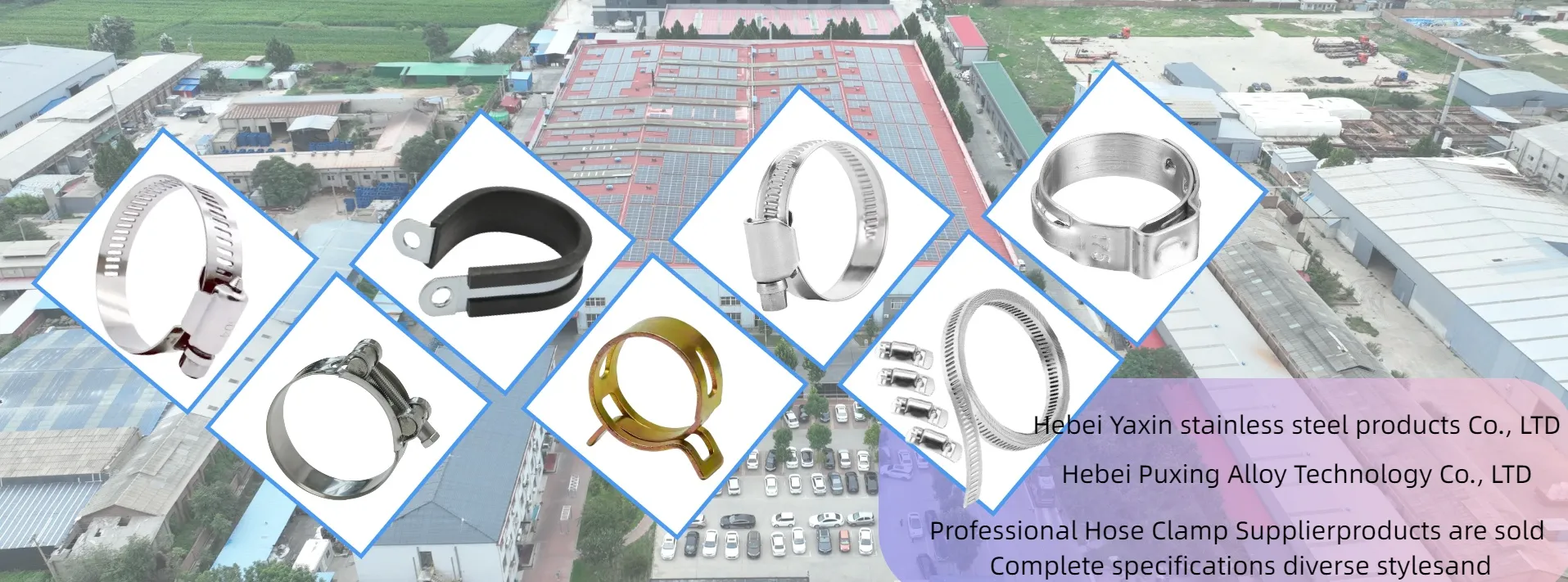
- They are available in different styles: worm gear clamps, T-bolt clamps, spring clamps, each with specific benefits.
Core Features of 5 Inch Hose Clamps That Matter
Durability & Material Quality
Most high-quality 5 inch hose clamps are stainless steel — giving great resistance to corrosion, heat, and chemicals. This is especially important where the hose is exposed to weather or harsh fluids. A cheap clamp made from low-grade steel often rusts quickly, weakening the hold and risking failure.
Securing Mechanism Types
Different clamp designs suit different tasks. The worm gear clamp uses a screw to tighten, offering adjustable and reliable grip suited for flexible hoses; meanwhile, the T-bolt clamp provides heavy-duty strength for high-pressure systems. Choosing the right type ensures proper distribution of force, reducing hose damage.
Size Accuracy & Adjustability
Precise sizing is key — a clamp that's too large or too small can cause leaks or damage. Luckily, 5 inch hose clamps come with a range of adjustability, often sized from about 4.75” to 5.5”, accommodating half-inch expansions and contractions due to temperature changes.
Ease of Installation
Time is money, especially in industrial or emergency setups. Clamps designed with ergonomic screws or quick-release mechanisms can save valuable labor hours.
Cost Efficiency
While stainless steel options cost more upfront, their lifespan and reliability justify the price through fewer replacements, less downtime, and less risk of accidents caused by clamp failure.
Maintenance & Inspection Friendly
In harsh environments, clamps should be easy to inspect and replace if necessary. Some designs come with corrosion-proof coatings or color-coding for quick visual checks.
Mini takeaway:
Picking the right 5 inch hose clamp means balancing durability, size, cost, and ease of use — it’s more complex than just a metal ring.
Real-World Applications That Depend on 5 Inch Hose Clamps
You’ll find 5 inch hose clamps all around, but here are a few real-life examples that highlight their importance:
- Disaster Relief Water Supply: NGOs setting up temporary water lines rely heavily on quick-to-fit, durable clamps that withstand transport shocks and varying pressure.
- Agricultural Irrigation: Medium-sized hoses delivering water to fields demand reliable clamps, or precious crops risk drying out.
- Automotive Repair and Manufacturing: Engine cooling systems and turbochargers commonly use 5 inch hose clamps to withstand heat and vibration.
- Remote Industrial Zones: Mining or oil extraction sites use clamps that can resist corrosive fluids, extreme temperatures, and mechanical stress.
Example:
In post-hurricane relief missions in the Caribbean, field engineers shared how heavy-duty 5 inch clamps with quick installation saved days in restoring potable water flow — a small thing that made a huge difference.
5 Inch Hose Clamps: Advantages and Long-Term Value
What I like about these clamps is their blend of practicality and trust. When installed correctly, they:
- Save Costs Over Time: Long-lasting materials and solid build mean fewer replacements.
- Enhance Safety: Secure connections prevent leaks of hazardous liquids or pathogens.
- Promote Sustainability: Quality clamps reduce waste and prevent environmental contamination.
- Boost Operational Efficiency: Easy handling cuts down labor time and tool requirements.
And on a human note — reliable clamps help maintain dignity during emergency water distribution or sanitation interventions. Safety and trust are quietly built through these small yet essential parts.
Looking Ahead: Innovations and Future Trends
It’s an odd place for tech innovation, but 5 inch hose clamps are evolving. Recent trends include:
- Smart Materials: Corrosion-resistant, self-tightening alloys reducing maintenance cycles.
- Automation-Friendly Designs: Quick-mount clamps that work with robot-assisted installation in factories.
- Eco-Friendly Manufacturing: Using recycled metals and minimal coatings.
As industries push for greener and more sustainable systems, clamps are joining the movement. Future clamp designs may also integrate sensors signaling loosening, preventing costly failures.
Common Challenges and Smarter Solutions
Not every clamp fits every job. Some challenges include:
- Corrosion in harsh environments: Always a risk if materials are subpar.
- Size mismatches causing leaks or hose damage: Misreading hose specs is surprisingly common.
- Installation difficulties in tight spaces: Sometimes clamps are tough to reach or tighten.
Solutions often involve better training for installation, choosing premium materials, and designing clamps with improved ergonomics — sometimes a combination of all these.
Product Specifications: Example of a Premium 5 Inch Hose Clamp
| Specification | Detail |
|---|---|
| Diameter Range | 4.75" to 5.5" (120 to 140 mm) |
| Material | 304 Stainless Steel (with optional 316 grade) |
| Clamp Type | Worm Gear / T-Bolt options |
| Maximum Torque | Up to 20 Nm (for worm gear type) |
| Operating Temperature | -40°C to +200°C |
| Corrosion Resistance | High, suitable for marine and chemical environments |
Vendor Comparison: Choosing the Right Supplier for 5 Inch Hose Clamps
| Vendor | Material Quality | Price Range (per unit) | Lead Time | Customization Options |
|---|---|---|---|---|
| Puxing Clamp | 304 & 316 Stainless Steel | $0.50 - $1.20 | 2-3 weeks | Material, size, stamping logo |
| ClampCo | Standard Stainless Steel (304) | $0.45 - $1.00 | 3-4 weeks | Size variations only |
| Steely Fixings | Mixed Grade Steel | $0.40 - $0.90 | 1-2 weeks | Limited customization |
Frequently Asked Questions About 5 Inch Hose Clamps
Q1: How do I know if a 5 inch hose clamp is the right size for my hose?
A1: Measure your hose's outer diameter carefully. A 5 inch hose clamp typically adjusts between approximately 4.75 and 5.5 inches. Always choose a clamp with an adjustable range that fits snugly but isn’t too tight to damage the hose.
Q2: Are worm gear clamps better than T-bolt clamps for weather exposure?
A2: Both have benefits—worm gear clamps are versatile and easy to adjust, but T-bolt clamps offer greater strength and resistance for high-pressure or heavy vibration environments, which may be better for outdoor or harsh weather. Material choice also matters here.
Q3: Can I reuse 5 inch hose clamps after removing them?
A3: Generally, yes, if the clamp and screw mechanism are intact and show no signs of corrosion or wear. However, for critical or high-pressure lines, manufacturers often recommend replacement to ensure safety.
Q4: How can I prevent corrosion on hose clamps used in marine environments?
A4: Use clamps made from 316-grade stainless steel or those with specialized anti-corrosion coatings designed for saltwater exposure. Regular maintenance and inspection help extend clamp life in marine conditions.
Q5: Are 5 inch hose clamps suitable for potable water systems?
A5: Yes, but only if the material complies with potable water safety standards (e.g., NSF certification). Stainless steel clamps are commonly approved for water systems, but always verify specifications.
Wrapping Up: Small Parts with Big Impact
So, what’s the takeaway on 5 inch hose clamps? They might be just metal bands, but their role in safety, durability, and operational efficiency is huge. Understanding their specs, proper usage, and the latest innovations can make a real difference — whether you’re plumbing a factory line or setting up emergency water supply networks. And if you’re ready to explore your options, trust me, check out 5 inch hose clamps sourced from reliable vendors with flexible custom options.
It’s a small part, sure — but kind of like the keystone in an arch. Without it, everything else risks falling apart.
References
-
Reliable Earls Hose Clamps for Industrial Applications – Trusted by Experts
NewsDec.09,2025
-
High-Performance Ear Type Hose Clamps for Industrial Use | Puxing Clamp
NewsDec.09,2025
-
Durable Ear Style Hose Clamps | Industrial-Grade Reliability
NewsDec.09,2025
-
Ear Hose Clamps: Durable, Cost-Effective Solutions for Industrial Applications | Puxing Clamp
NewsDec.08,2025
-
Expert Guide to Ear Hose Clamp Removal Techniques and Tools
NewsDec.08,2025
-
Comprehensive Guide to Ear Hose Clamp Pliers: Global Applications & Advantages
NewsDec.08,2025
 English
  Afrikaans
  Albanian
  Amharic
  Arabic
  Armenian
  Azerbaijani
  Basque
  Belarusian
  Bengali
  Bosnian
  Bulgarian
  Catalan
  Cebuano
  Corsican
  Croatian
  Czech
Czech  Danish
  Dutch
Dutch  Esperanto
  Estonian
  Finnish
  French
  Frisian
  Galician
  Georgian
  German
  Greek
Greek  Gujarati
  Haitian Creole
  Hausa
Hausa  Hawaiian
  Hebrew
  Hindi
Hindi  Miao
Miao  Hungarian
  Icelandic
  Igbo
Igbo  Indonesian
  Irish
Irish  Italian
  Japanese
  Javanese
  Kannada
  Kazakh
  Khmer
Khmer  Rwandese
  Korean
  Kurdish
  Kyrgyz
  Lao
Lao  Latin
Latin  Latvian
  Lithuanian
  Luxembourgish
  Macedonian
  Malgashi
  Malay
Malay  Malayalam
  Maltese
  Maori
Maori  Marathi
  Mongolian
  Myanmar
  Nepali
  Norwegian
  Norwegian
  Occitan
  Pashto
  Persian
  Polish
  Portuguese
  Punjabi
  Romanian
  Russian
  Samoan
  Scottish Gaelic
  Serbian
  Sesotho
  Shona
Shona  Sindhi
  Sinhala
  Slovak
  Slovenian
  Somali
  Spanish
  Sundanese
  Swahili
  Swedish
  Tagalog
  Tajik
Tajik  Tamil
Tamil  Tatar
Tatar  Telugu
  Thai
Thai  Turkish
  Turkmen
  Ukrainian
  Urdu
Urdu  Uighur
  Uzbek
Uzbek  Vietnamese
  Welsh
Welsh  Bantu
Bantu  Yiddish
  Yoruba
  Zulu
Zulu