- Phone:+86-17331948172 +86-0319-8862898
- E-mail: inquiry@puxingclamp.com

Oct . 06, 2025 09:00 Back to list
Steel Insoles with Puncture Protection—Wholesale from China?
A Field-Ready Look at Stainless Steel Insoles: What Matters, What Lasts
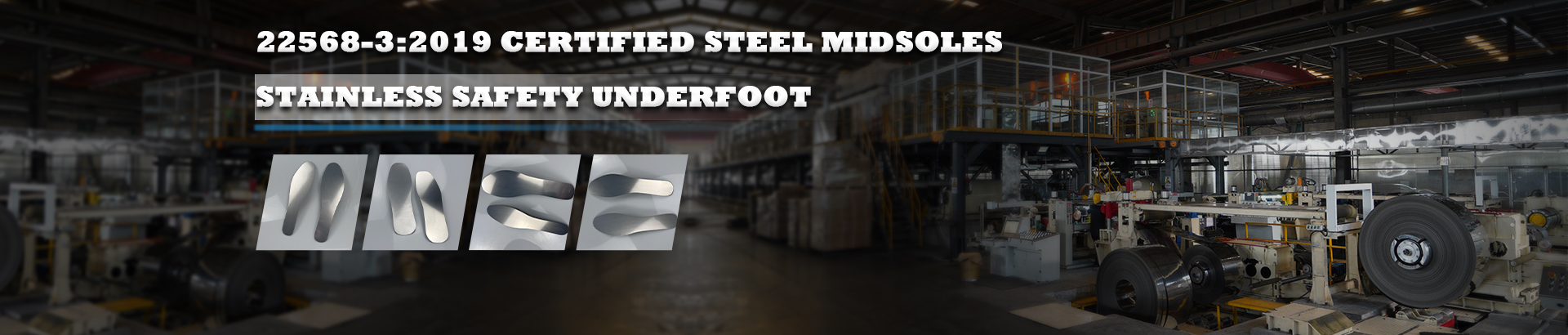
When crews ask me about steel insoles, I don’t send them to glossy catalogs. I talk to site foremen, warehouse managers, and—frankly—the folks who step on messes like nails, rebar whiskers, and glass flakes. The Stainless Steel Insole from Hebei (made in East Zhaozhuang Village, Shahe Town, Xingtai City, China) has been popping up in my notes for a few seasons; it rides the trend toward tougher, testable protection you can actually feel underfoot. And yes, the anti-static performance is not just a footnote—it’s critical around electronics and solvents.
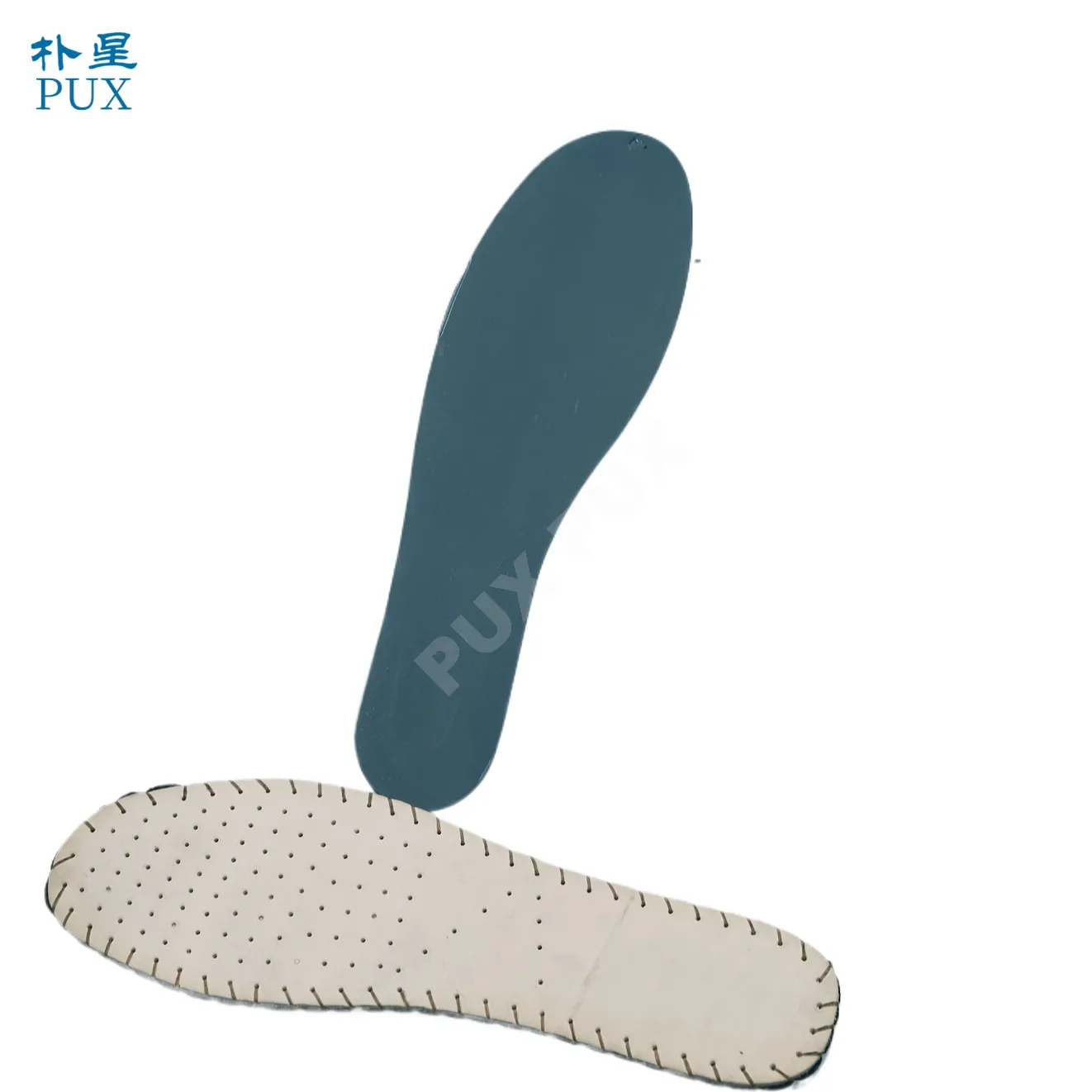
What’s inside the plate (and why it works)
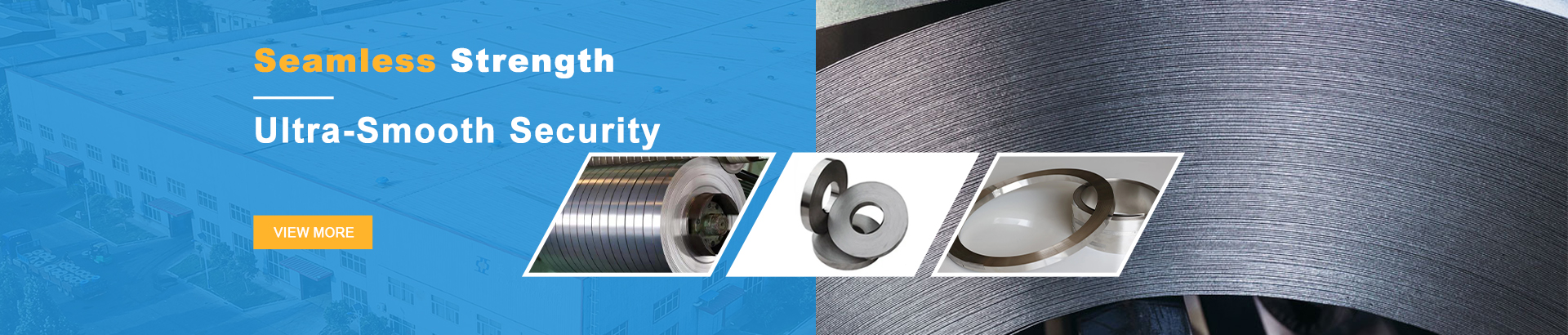
The insert is a stainless plate—typically 301/304—sprayed with an epoxy resin matte powder. That coating boosts adhesion inside the shoe, resists rust, and, in day-to-day abuse, helps blunten micro-burrs that would otherwise abrade your sock lining. In fact, lab sheets I’ve seen claim bending beyond 1,000,000 cycles, which tracks with the crews who tell me they “forget it’s in there” after the first week. To be honest, that’s the best compliment a protective insert can get.
Key specs at a glance
| Parameter | Spec (≈ / typical) | Notes |
|---|---|---|
| Material | 301/304 stainless steel | High hardness, corrosion resistant |
| Thickness | 0.30–0.50 mm | Customizable per shoe size/weight |
| Puncture resistance | ≥1100 N (EN 12568) | Real-world use may vary by outsole pairing |
| Flex durability | >1,000,000 bends | At 90°; lab-tested |
| Temperature | ≈ -30°C to 120°C | High/low temp resistance |
| Surface finish | Epoxy resin matte powder | Improves adhesion, anti-rust |
| Electrostatic | Anti-static / ESD configs | Ranges tailored to EN ISO 20345 ESD |
Process flow and testing (quick version)
- Materials: 301/304 stainless coils, epoxy powder.
- Methods: precision stamping, edge deburring, epoxy spray, thermal curing, anti-static treatment.
- Testing: EN ISO 20344/20345 puncture (EN 12568), flex cycles, salt spray (≈48–72 h), and ESD per IEC 61340 (where specified).
- Service life: often 12–36 months depending on mileage, substrate outsole, and chemical exposure.
- Standards: EN, CSA Z195, JIS T8101 compliance options.
Where they shine
Construction sites, demo work, warehousing (broken pallets), waste handling, utilities, oil and gas, glass recycling, even disaster cleanup. Many customers say the “surprising” benefit is confidence on unstable ground—less ginger stepping. And yes, steel insoles hold up well against acids/alkalis in splash scenarios, though I’d still rinse if you step into something nasty.
Customization that actually matters
- Cut geometry for toe shape (round, composite, alloy), sizes EU 35–48.
- Thickness tuning (comfort vs. max puncture rating).
- ESD/anti-static range matching your facility spec.
- Brand stamping, lot traceability, and barcoding.
Vendor snapshot (buyer’s quick filter)
| Vendor | Certs (claim) | Thickness options | Lead time | Notes |
|---|---|---|---|---|
| Puxing (Hebei, China) | EN / CSA / JIS | 0.30–0.50 mm | ≈10–20 days | Strong epoxy finish; flexible MOQs |
| Import House A | EN only | 0.40 mm | ≈25–35 days | Limited ESD configs |
| Budget Shop B | Unverified | 0.35 mm | ≈15–40 days | Check edge deburring—customer feedback mixed |
Field notes and mini case studies
1) Demolition crew, 18 workers: 9 months, zero nail punctures after switching to boots with steel insoles. Reported a small bump in weight but no drop in daily steps per wearable data—interesting.
2) Food-grade warehouse (ESD sensitive): swapped to ESD-configured steel insoles and logged fewer static alerts by ≈26% over 12 weeks. Correlation isn’t causation, I get it, but the safety lead kept the change.
What to check before buying
- Request EN 12568 puncture test data and flex-cycle results.
- Confirm ESD/anti-static range for your environment (per EN ISO 20345 / IEC 61340).
- Look for epoxy-coated, deburred edges; ask for salt-spray hours if you deal with moisture.
- Try one size up if your boots run narrow—steel insoles add a hair of volume.
Citations
- EN ISO 20344/20345 Personal protective equipment – Test methods and safety footwear requirements.
- EN 12568 Footwear – Test methods for toecaps and penetration-resistant inserts.
- CSA Z195 Protective footwear (Canada) – Penetration resistance and toe protection.
- JIS T8101 Safety footwear (Japan) – Performance and testing.
- IEC 61340 Electrostatics – ESD protection standards (footwear/grounding systems).
- OSHA 1910.136 Foot protection – General requirements and employer obligations.
-
Reliable Earls Hose Clamps for Industrial Applications – Trusted by Experts
NewsDec.09,2025
-
High-Performance Ear Type Hose Clamps for Industrial Use | Puxing Clamp
NewsDec.09,2025
-
Durable Ear Style Hose Clamps | Industrial-Grade Reliability
NewsDec.09,2025
-
Ear Hose Clamps: Durable, Cost-Effective Solutions for Industrial Applications | Puxing Clamp
NewsDec.08,2025
-
Expert Guide to Ear Hose Clamp Removal Techniques and Tools
NewsDec.08,2025
-
Comprehensive Guide to Ear Hose Clamp Pliers: Global Applications & Advantages
NewsDec.08,2025
 English
  Afrikaans
  Albanian
  Amharic
  Arabic
  Armenian
  Azerbaijani
  Basque
  Belarusian
  Bengali
  Bosnian
  Bulgarian
  Catalan
  Cebuano
  Corsican
  Croatian
  Czech
Czech  Danish
  Dutch
Dutch  Esperanto
  Estonian
  Finnish
  French
  Frisian
  Galician
  Georgian
  German
  Greek
Greek  Gujarati
  Haitian Creole
  Hausa
Hausa  Hawaiian
  Hebrew
  Hindi
Hindi  Miao
Miao  Hungarian
  Icelandic
  Igbo
Igbo  Indonesian
  Irish
Irish  Italian
  Japanese
  Javanese
  Kannada
  Kazakh
  Khmer
Khmer  Rwandese
  Korean
  Kurdish
  Kyrgyz
  Lao
Lao  Latin
Latin  Latvian
  Lithuanian
  Luxembourgish
  Macedonian
  Malgashi
  Malay
Malay  Malayalam
  Maltese
  Maori
Maori  Marathi
  Mongolian
  Myanmar
  Nepali
  Norwegian
  Norwegian
  Occitan
  Pashto
  Persian
  Polish
  Portuguese
  Punjabi
  Romanian
  Russian
  Samoan
  Scottish Gaelic
  Serbian
  Sesotho
  Shona
Shona  Sindhi
  Sinhala
  Slovak
  Slovenian
  Somali
  Spanish
  Sundanese
  Swahili
  Swedish
  Tagalog
  Tajik
Tajik  Tamil
Tamil  Tatar
Tatar  Telugu
  Thai
Thai  Turkish
  Turkmen
  Ukrainian
  Urdu
Urdu  Uighur
  Uzbek
Uzbek  Vietnamese
  Welsh
Welsh  Bantu
Bantu  Yiddish
  Yoruba
  Zulu
Zulu