- Phone:+86-17331948172 +86-0319-8862898
- E-mail: inquiry@puxingclamp.com

Sep . 02, 2025 02:00 Back to list
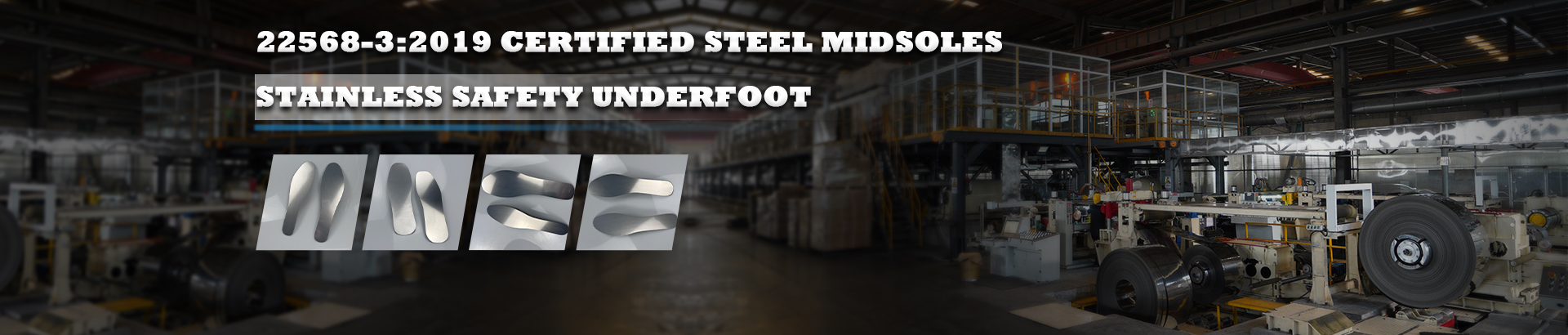
High Quality Steel Midsole for Safety Shoes - Puncture Protection
Introduction to Steel Midsoles in Industrial Safety Footwear
In the demanding landscape of industrial safety, worker protection is paramount. Among the critical components ensuring foot safety, the steel midsole stands as an indispensable barrier against puncture hazards. This robust component, strategically integrated into safety footwear, provides a formidable defense against sharp objects, nails, and other penetrating debris commonly found in high-risk work environments. Designed to meet stringent international safety standards, steel midsoles are engineered for maximum resistance without compromising wearer comfort or shoe flexibility.
The evolution of safety footwear has seen significant advancements, with materials science playing a crucial role in enhancing protective capabilities. While composite alternatives have emerged, the steel plate midsole remains a benchmark for its proven strength and reliability. This article delves into the intricate details of these vital components, covering their manufacturing processes, technical specifications, diverse applications, and the rigorous standards that govern their performance. We aim to provide B2B decision-makers and engineers with a comprehensive understanding of what constitutes a high-quality steel stainless midsole for safety shoes, enabling informed procurement and application choices.
Industry Trends and Market Dynamics of Steel Midsoles
The market for industrial safety footwear, and consequently for components like the steel midsole, is influenced by several macroeconomic and regulatory factors. Globally, increasing awareness of occupational safety, coupled with stricter governmental regulations, continues to drive demand for compliant safety footwear. According to a report by Grand View Research, the global safety footwear market size was valued at USD 10.3 billion in 2022 and is expected to grow at a compound annual growth rate (CAGR) of 7.2% from 2023 to 2030. This growth is directly reflected in the demand for high-performance protective components.
Key trends include:
- Emphasis on Durability and Longevity: While comfort and lightweight designs are gaining traction, the inherent durability and long service life of steel midsoles remain a critical advantage, especially in abrasive or highly hazardous environments.
- Standardization and Certification: Compliance with international standards such as EN ISO 20345 (Europe), ASTM F2413 (USA), and CSA Z195 (Canada) is non-negotiable. Manufacturers are increasingly seeking multi-standard certifications for broader market reach.
- Material Innovations: Continuous research into advanced steel alloys and surface treatments aims to enhance puncture resistance, corrosion resistance, and reduce overall weight without compromising strength.
- Supply Chain Optimization: Demand for wholesale shoe steel midsole solutions highlights the need for efficient manufacturing, robust quality control, and reliable global supply chains to meet industrial volumes.
The market remains competitive, with a focus on both cost-effectiveness and superior protective qualities. Companies that can consistently deliver a high quality steel stainless midsole for safety shoes while adhering to stringent specifications are positioned for growth.
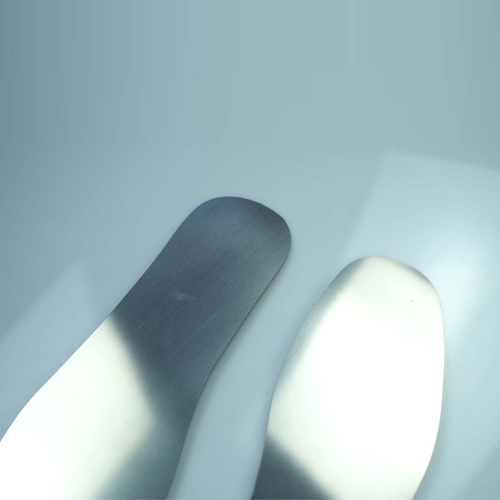
Fig 1: Example of a Steel Midsole for Safety Footwear.
Detailed Manufacturing Process of Steel Midsoles
The production of a steel midsole is a multi-stage process, demanding precision and adherence to strict quality protocols to ensure optimal protective performance. The core material is typically high-grade stainless steel or specialized carbon steel alloys, chosen for their superior strength-to-weight ratio and corrosion resistance.
Process Flow Overview:
- Material Selection and Sourcing: High-carbon steel (e.g., AISI 1050-1095) or stainless steel (e.g., SUS304 for enhanced corrosion resistance) sheets are meticulously selected based on required tensile strength, hardness, and ductility. For specific anti-corrosion applications, specialized alloys are employed.
- Sheet Preparation: Large steel sheets are cut into smaller blanks using precision shearing machines. This initial cut ensures minimal material waste and prepares the steel for subsequent forming.
- Stamping/Punching: The blanks are then fed into high-tonnage hydraulic presses where custom dies stamp or punch the precise shape of the steel plate midsole. This cold-forming process is critical for achieving the required ergonomic curve and dimensions for various shoe sizes.
- Edge Finishing and Deburring: After stamping, the edges of the midsole may have burrs or sharp points. These are removed using specialized deburring machines or manual grinding, ensuring smooth edges that prevent damage to the shoe structure and enhance wearer comfort.
- Heat Treatment (Annealing/Hardening): Depending on the steel type and desired properties, a controlled heat treatment process may be applied. Annealing can relieve internal stresses, while hardening (quenching and tempering) increases the material's hardness and puncture resistance, which is critical for the anti-piercing function.
- Surface Treatment (Optional): For enhanced corrosion resistance, especially for a steel stainless midsole for safety shoes, processes like passivation (for stainless steel), electro-galvanizing, or specialized coating (e.g., zinc plating, anti-rust oil) may be applied.
-
Quality Control & Testing: Each batch undergoes rigorous testing to ensure compliance with international safety standards. This includes:
- Puncture Resistance Test: Performed according to standards like EN ISO 20344/20345 (requiring resistance to a 1100N force) or ASTM F2413 (270 lbs of force for penetration).
- Flexibility Test: Ensures the midsole can flex with the foot without cracking, typically over hundreds of thousands of cycles.
- Corrosion Resistance Test: Especially for stainless steel variants, salt spray tests assess long-term durability in corrosive environments (e.g., ISO 9227).
- Dimensional Accuracy: CNC-assisted measurements verify the precision of shape and thickness.
- Packaging and Dispatch: Finished and approved midsoles are packaged to prevent damage during transit, often in bulk for wholesale shoe steel midsole orders, and dispatched to footwear manufacturers.
This meticulous process guarantees that each steel midsole provides reliable protection, meeting the demands of rigorous industrial use and extending the service life of safety footwear to an average of 6-12 months under normal wear conditions, depending on the intensity of the work environment.
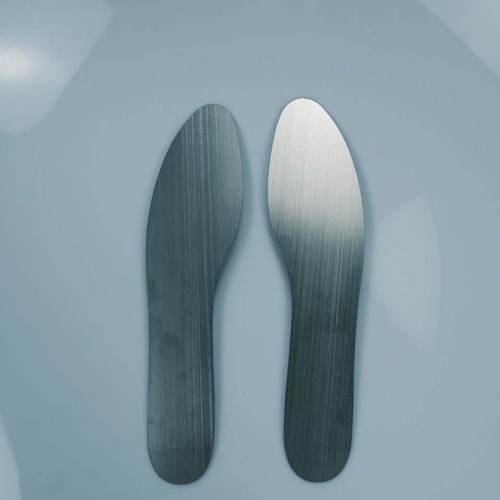
Fig 2: Stamping process for forming the steel midsole.
Technical Specifications and Performance Parameters
Understanding the technical specifications of a steel midsole is crucial for ensuring it meets specific application requirements. These parameters directly correlate with the protective capabilities and longevity of the safety footwear.
Key Technical Parameters:
| Parameter | Description | Typical Value / Standard |
|---|---|---|
| Material Grade | High-carbon steel or AISI 304/316 Stainless Steel | Spring Steel 65Mn, SUS304 |
| Thickness | Optimal thickness for puncture resistance and flexibility | 0.40 - 0.50 mm (EN standard), up to 0.8 mm for extreme conditions |
| Puncture Resistance | Force required to penetrate the midsole with a standard nail | ≥ 1100 Newtons (EN ISO 20345), ≥ 270 lbs (ASTM F2413) |
| Flexibility Cycles | Number of flexion cycles before failure (cracking) | ≥ 1,000,000 cycles (EN standard) |
| Hardness | Material hardness, typically Rockwell C (HRC) | 40-48 HRC (after heat treatment for carbon steel) |
| Corrosion Resistance | Ability to resist rust and degradation in humid/corrosive environments | Passes Salt Spray Test (ISO 9227) for specified hours |
| Weight (per pair) | Contribution to overall shoe weight | Approx. 80-120 grams (size 42) |
These specifications ensure that a steel midsole provides reliable anti-piercing protection, contributing to the overall integrity and safety rating of the footwear. For a truly high quality steel stainless midsole for safety shoes, these parameters are not merely met but often exceeded, reflecting robust engineering and material selection.
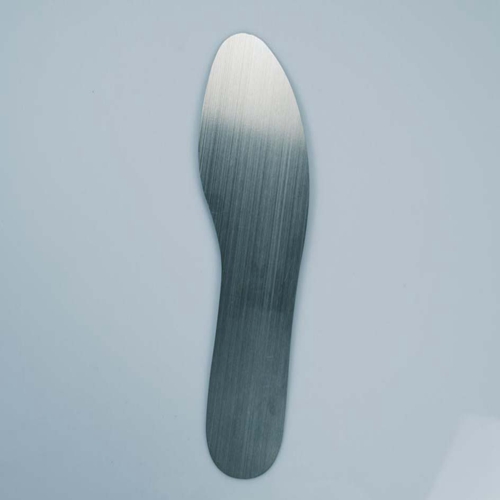
Fig 3: Close-up of a finished steel midsole showcasing its smooth edges.
Application Scenarios and Target Industries
The robust protection offered by the steel midsole makes it indispensable across a multitude of heavy industries where foot puncture hazards are prevalent. Its versatility allows for integration into various types of safety footwear, from boots to specialized work shoes.
Primary Target Industries:
- Construction & Demolition: Sites are frequently littered with nails, rebar scraps, and sharp debris, making steel plate midsole protection essential.
- Petrochemical & Oil & Gas: Workers in refineries and offshore platforms face risks from dropped tools, sharp metal fragments, and corrosive spills. The corrosion resistance of steel stainless midsole for safety shoes is particularly beneficial here.
- Metallurgy & Foundry: Environments with hot metal fragments, sharp slag, and heavy objects necessitate maximum foot protection, including anti-piercing soles.
- Manufacturing & Assembly: Factories often have sharp components, metal shavings, and discarded materials that pose puncture risks.
- Waste Management & Recycling: Workers handle diverse waste, including broken glass, sharp plastics, and metal shards, requiring reliable puncture resistance.
- Logistics & Warehousing: Pallets with protruding nails or sharp edges are common hazards in large distribution centers.
- Agriculture & Forestry: Sharp thorns, broken branches, and discarded tools in outdoor settings pose significant risks.
- Mining: Rough terrain and sharp rock fragments make robust sole protection critical.
Advantages in Typical Application Scenarios:
In these scenarios, the steel midsole offers distinct advantages beyond mere puncture resistance:
- Unyielding Protection: Steel offers a rigid, comprehensive protective layer that is extremely difficult to penetrate, providing superior peace of mind.
- Cost-Effectiveness & Durability: For applications demanding frequent exposure to sharp objects, steel midsoles provide a long-lasting, economically viable solution compared to alternatives that may degrade faster. This makes them ideal for wholesale shoe steel midsole procurement.
- Thermal Conductivity: While typically a concern for insulation, in certain environments where heat dissipation from the foot is desired (e.g., very active work), steel can offer marginal benefits.
- Corrosion Resistance: Specifically with stainless variants, the ability to withstand moisture, chemicals, and saline environments extends the life of the footwear in harsh conditions, reducing replacement costs and downtime.
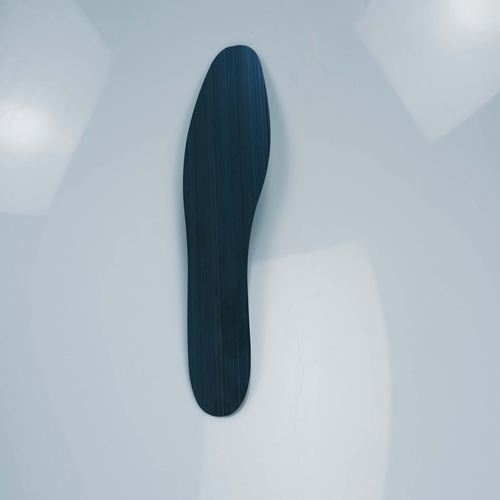
Fig 4: Safety shoes featuring an integrated steel midsole in an industrial setting.
Technical Advantages and Vendor Comparison
The selection of a steel midsole manufacturer is a strategic decision for safety footwear brands and industrial buyers. Key technical advantages and considerations for vendor comparison are paramount.
Core Technical Advantages of Steel Midsoles:
- Unparalleled Puncture Resistance: Steel offers a definitive physical barrier that often outperforms textile alternatives in extreme conditions, particularly against fine, sharp objects like hypodermic needles where textiles might allow penetration.
- Consistent Performance: Unlike some composite materials which can degrade with prolonged exposure to certain chemicals or UV light, steel maintains its structural integrity over time.
- Broad Temperature Range: Steel maintains its protective properties across a wide range of temperatures, from freezing cold to moderately high heat, without significant loss of strength.
- Established Standards & Trust: Steel midsoles have a long history of compliance with global safety standards, making them a trusted choice for critical safety applications.
Vendor Comparison Considerations:
| Feature | Vendor A (e.g., Puxingclamp) | Vendor B (Competitor Example) |
|---|---|---|
| Material Grades Offered | 65Mn, SUS304, SUS316 | Primarily 65Mn |
| Puncture Resistance Cert. | EN ISO 20345 (1100N+), ASTM F2413 (270lbs) | EN ISO 20345 (1100N) |
| Corrosion Treatment | Passivation, Zinc Plating, Anti-rust Oil | Anti-rust Oil only |
| Customization Options | Full range of sizes (EUR 35-48), custom designs, logo stamping | Limited standard sizes, no custom designs |
| Quality Certifications | ISO 9001, CE, TUV Rheinland tested | CE only |
| Lead Time (Standard Order) | 15-20 days | 25-35 days |
| Warranty | 12-month manufacturing defect warranty | 6-month manufacturing defect warranty |
When sourcing a wholesale shoe steel midsole, evaluating these factors ensures that the selected supplier not only meets current demands but also offers scalable, high-quality solutions for future growth.

Fig 5: A batch of steel midsoles awaiting final inspection and packaging.
Customized Solutions and Application Case Studies
Beyond standard offerings, many industrial applications require specialized steel midsole solutions. Manufacturers experienced in B2B supply chains often provide extensive customization services to meet unique demands, enhancing functionality and integration.
Customization Capabilities:
- Size and Ergonomic Design: Tailoring the steel plate midsole to specific shoe lasts (molds) and anatomical requirements, including half sizes or extra-wide options, ensures perfect fit and comfort.
- Material Alternatives: Offering various steel grades (e.g., higher carbon content for extreme hardness, specific stainless steel grades like SUS316 for superior chemical resistance) to match environmental hazards.
- Surface Treatments: Custom coatings for enhanced grip, anti-static properties, or specialized corrosion protection beyond standard treatments.
- Branding and Marking: Embossing or laser-etching client logos or specific part numbers for brand identity and traceability.
- Integrated Solutions: Working closely with shoe manufacturers to integrate midsoles seamlessly, sometimes requiring slight modifications to the midsole's edge profile or thickness.
Application Case Study: High-Risk Petrochemical Facility
A major petrochemical company operating a refinery in a coastal region faced persistent issues with premature degradation of standard safety footwear midsoles due to a combination of corrosive chemicals, high humidity, and saline air. Workers were frequently exposed to metal shards and dropped equipment.
- Challenge: Standard carbon steel plate midsoles showed signs of rust and reduced integrity within 4-6 months, leading to frequent shoe replacement and potential safety risks.
- Solution: Partnered with a specialist in high quality steel stainless midsole for safety shoes to develop a custom solution using SUS316 stainless steel. This alloy offers superior resistance to chlorides and a wider range of chemicals. The midsoles were also subjected to an enhanced passivation process.
- Outcome: The customized SUS316 steel midsole significantly extended the service life of the safety footwear to over 12 months, reducing procurement costs by 35% annually for the client and dramatically improving worker confidence in their PPE. Field data confirmed no reported puncture incidents with the new midsoles, even in areas previously deemed high-risk.
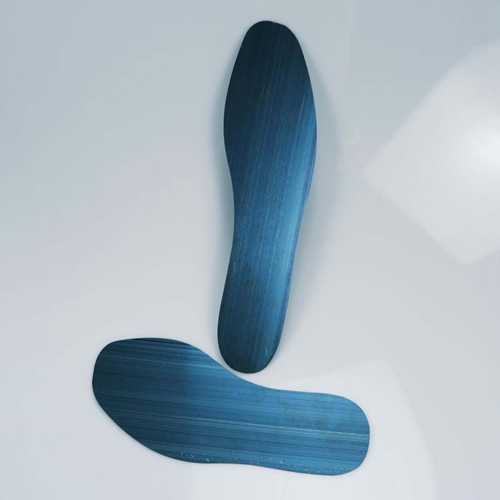
Fig 6: Custom steel midsoles designed for specific footwear models.
Trustworthiness and Support: FAQs, Lead Time, Warranty
Building trust in the B2B sector for critical safety components like the steel midsole requires transparency in processes, clear communication, and robust support systems.
Frequently Asked Questions (FAQs):
Q: What is the primary difference between a steel midsole and a composite midsole?
A: Steel midsoles offer superior resistance to very fine sharp objects and extreme puncture forces due to their inherent rigidity. Composite midsoles (e.g., Kevlar, ceramic-coated fabric) are lighter, more flexible, and non-metallic, ideal for environments where metal detection is a concern or for reduced weight.
Q: Are your steel midsoles compliant with international safety standards?
A: Yes, our steel plate midsoles are independently tested and certified to meet or exceed major international standards, including EN ISO 20345 (P-category requirement for puncture resistance) and ASTM F2413.
Q: Can you provide samples for testing before a bulk order?
A: Absolutely. We understand the need for thorough evaluation. We can provide samples of our steel stainless midsole for safety shoes for your internal testing and quality assurance processes.
Lead Time and Fulfillment:
For standard steel midsole orders, our typical lead time is 15-20 business days from order confirmation to dispatch. For customized solutions or wholesale shoe steel midsole orders requiring new tooling, the lead time may extend to 30-45 days, depending on complexity and volume. We maintain robust production capacity and efficient logistics to ensure timely delivery, working closely with our clients to align with their production schedules.
Warranty and Customer Support:
We stand behind the quality of our products. All our steel midsoles come with a 12-month warranty against manufacturing defects from the date of purchase. This warranty covers defects in materials and workmanship under normal use conditions. Our dedicated customer support team is available to assist with any technical inquiries, order tracking, or warranty claims, ensuring a seamless experience for our B2B partners. We pride ourselves on responsive communication and problem resolution, upholding our commitment to delivering a high quality steel stainless midsole for safety shoes.
Conclusion
The steel midsole remains a cornerstone of foot protection in hazardous industrial environments, offering reliable, proven anti-piercing capabilities. Its enduring relevance is driven by stringent safety regulations, the persistent presence of puncture hazards, and its undeniable strength and durability. For B2B buyers and safety footwear manufacturers, understanding the detailed manufacturing processes, technical specifications, and the advantages of choosing a high-quality supplier is crucial. Investing in a superior steel plate midsole not only ensures compliance and worker safety but also contributes to the longevity and reputation of the final safety footwear product. With continuous innovation in material science and manufacturing precision, the steel midsole will continue to evolve, providing robust protection for the global workforce.
References
- European Committee for Standardization. (2011). EN ISO 20345: Personal protective equipment – Safety footwear. International Organization for Standardization.
- ASTM International. (2018). ASTM F2413-18: Standard Specification for Performance Requirements for Protective (Safety) Toe Cap Footwear. ASTM International.
- International Organization for Standardization. (2017). ISO 9227: Corrosion tests in artificial atmospheres – Salt spray tests. International Organization for Standardization.
- Grand View Research. (2023). Safety Footwear Market Size, Share & Trends Analysis Report By Product (Boots, Shoes), By Application (Manufacturing, Construction), By Region, And Segment Forecasts, 2023 - 2030.
- OSHA Technical Manual. (2018). Personal Protective Equipment. U.S. Department of Labor, Occupational Safety and Health Administration.
-
Why Zinc-Plated Screws Matter for German-Type Hose Clamps
NewsMar.13,2026
-
Engine Piping Safety First: Complete Guide to Hose Clamp Selection and Installation
NewsMar.09,2026
-
5 Common Mistakes When Installing Hose Clamps & How to Do It Right
NewsMar.06,2026
-
How to Choose Hose Clamp Material? 201/304/316 Stainless Steel vs Carbon Steel – Complete Comparison Guide
NewsMar.02,2026
-
Stainless Steel German‑Type Hose Clamp User Guide
NewsFeb.27,2026
-
Stainless Steel American‑Type Hose Clamp User Guide
NewsFeb.23,2026
 English
  Afrikaans
  Albanian
  Amharic
  Arabic
  Armenian
  Azerbaijani
  Basque
  Belarusian
  Bengali
  Bosnian
  Bulgarian
  Catalan
  Cebuano
  Corsican
  Croatian
  Czech
Czech  Danish
  Dutch
Dutch  Esperanto
  Estonian
  Finnish
  French
  Frisian
  Galician
  Georgian
  German
  Greek
Greek  Gujarati
  Haitian Creole
  Hausa
Hausa  Hawaiian
  Hebrew
  Hindi
Hindi  Miao
Miao  Hungarian
  Icelandic
  Igbo
Igbo  Indonesian
  Irish
Irish  Italian
  Japanese
  Javanese
  Kannada
  Kazakh
  Khmer
Khmer  Rwandese
  Korean
  Kurdish
  Kyrgyz
  Lao
Lao  Latin
Latin  Latvian
  Lithuanian
  Luxembourgish
  Macedonian
  Malgashi
  Malay
Malay  Malayalam
  Maltese
  Maori
Maori  Marathi
  Mongolian
  Myanmar
  Nepali
  Norwegian
  Norwegian
  Occitan
  Pashto
  Persian
  Polish
  Portuguese
  Punjabi
  Romanian
  Russian
  Samoan
  Scottish Gaelic
  Serbian
  Sesotho
  Shona
Shona  Sindhi
  Sinhala
  Slovak
  Slovenian
  Somali
  Spanish
  Sundanese
  Swahili
  Swedish
  Tagalog
  Tajik
Tajik  Tamil
Tamil  Tatar
Tatar  Telugu
  Thai
Thai  Turkish
  Turkmen
  Ukrainian
  Urdu
Urdu  Uighur
  Uzbek
Uzbek  Vietnamese
  Welsh
Welsh  Bantu
Bantu  Yiddish
  Yoruba
  Zulu
Zulu