- Phone:+86-17331948172 +86-0319-8862898
- E-mail: inquiry@puxingclamp.com

Oct . 11, 2025 09:30 Back to list
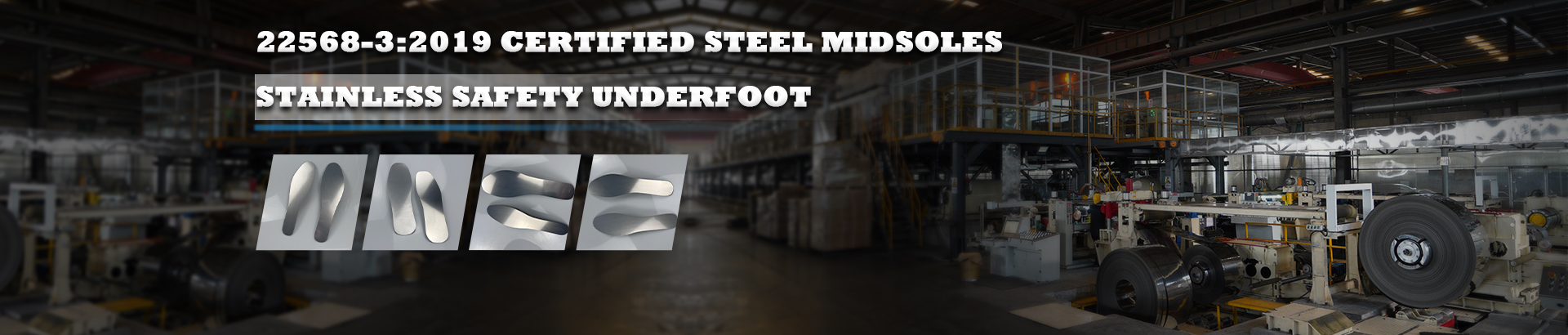
Steel Insoles: Puncture-Resistant, High-Quality, Wholesale
Stainless Steel Insole: What’s Really Behind the Toughest Puncture-Protection Insert
If you work around nails, rebar or scrap metal, you’ve probably met the quiet hero of safety footwear: steel insoles. I’ve toured factories where these go from sheet to shoe, and—honestly—the engineering is more elegant than you’d expect.
Made in East Zhaozhuang Village, Shahe Town, Xingtai City, Hebei Province, China, the “Stainless Steel Insole” from Puxing has become a staple in construction and waste management kits. Many customers say the benefit shows up the first time they step on a screw and walk away unscathed.
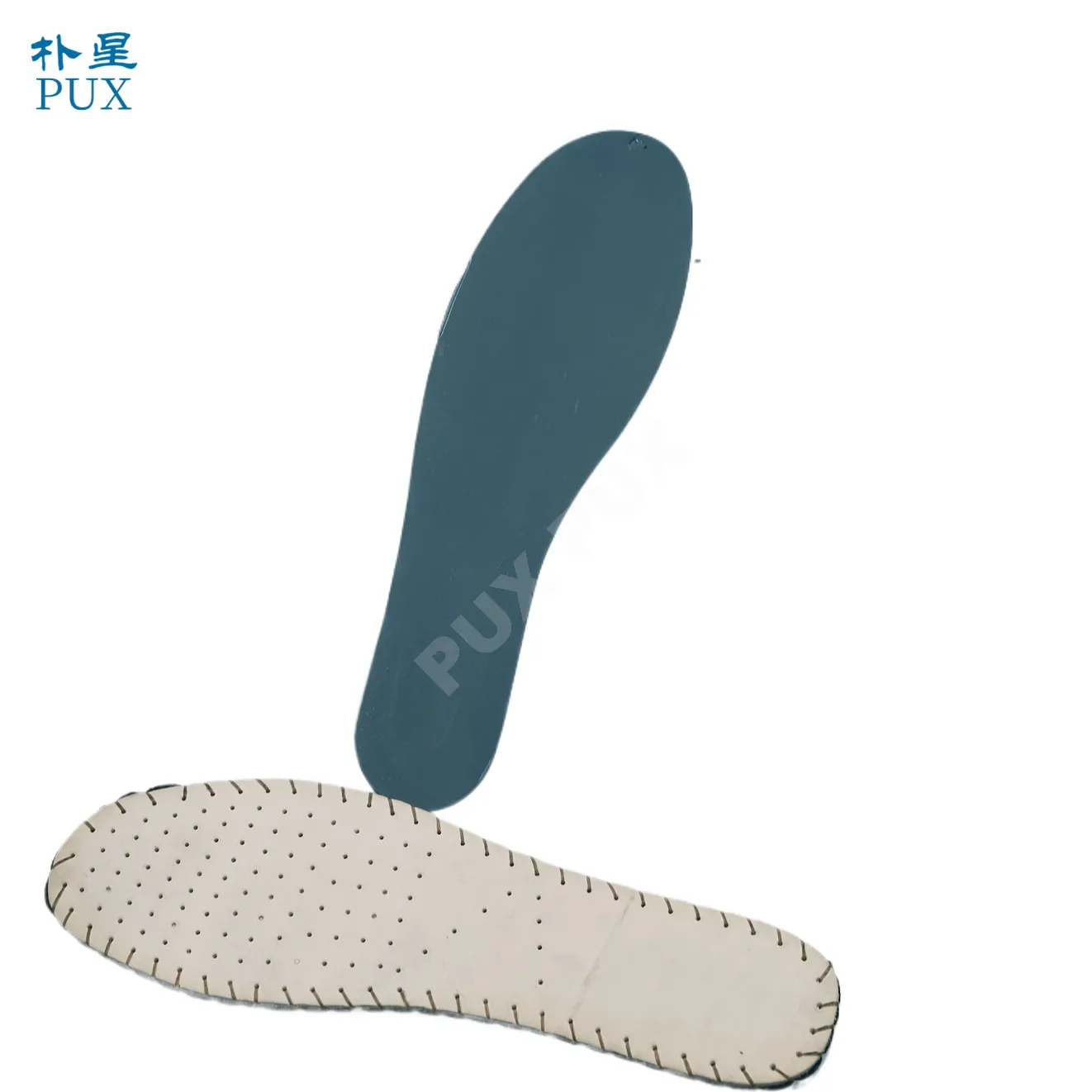
Industry trends (and why it matters)
Two currents shape the category: stricter standards and lighter boots. Labs now verify puncture resistance to EN/CSA/JIS levels while manufacturers shave grams everywhere else. The compromise? Pair lighter midsoles with steel insoles that take the abuse. Composite plates are coming, sure, but in demolition, recycling, or disaster relief, steel still wins on predictable puncture force and heat resistance.
How they’re made: the quick tour
- Materials: high-grade stainless steel plate (martensitic/precipitation-hardening; corrosion-resistant).
- Methods: coil selection → blanking → edge deburring → heat treatment → precision forming → epoxy resin matte spray → curing → trimming.
- Testing: puncture (EN ISO 20344/20345), flex fatigue (>1,000,000 bends), antistatic, chemical splash, salt spray (ASTM B117), dimensional checks.
The epoxy matte topcoat is not cosmetic; it improves adhesion inside the shoe, resists rust, and—surprisingly—reduces snagging. In real-world use, steel insoles typically last through the boot’s life cycle.
Product specs (typical)
| Model | Stainless Steel Insole |
| Material | Stainless steel plate with epoxy matte coating |
| Puncture resistance | ≥1100 N (EN/CSA/JIS compliant) |
| Flex durability | >1,000,000 bends (lab); ≈ real-world varies by load/environment |
| ESD/Antistatic | Meets EN ISO 20345 antistatic ranges (≈100 kΩ–1 GΩ) |
| Chemical/Thermal | Acid/alkali splash resistant; -20°C to 110°C service window |
Where they shine
- Construction and demolition: nails, tie wire, broken screws.
- Recycling/Waste & scrap yards: shards, strapping, thorns of metal.
- Utilities/telecom: mixed surfaces, unpredictable hazards.
- Fabrication and glass handling: sharp offcuts, breakages.
Advantages you feel: predictable puncture protection, torsional “zig-zag” resistance, stable ESD behavior, and durability that outlasts foam or textile plates. To be honest, steel insoles are not about plush comfort—they’re about not losing a day to a hospital visit.
Compliance and certifications
Built to meet EN ISO 20345/20344, CSA Z195, and JIS T8101. Many buyers require test reports per EN 12568 for penetration resistance; Puxing aligns with that. I’ve seen batches additionally salt-spray tested to ASTM B117 for coating integrity. Service life is typically the boot’s lifespan (≈12–36 months).
Vendor snapshot
| Vendor | Certs/Standards | Flex Cycles | Lead Time | Customization |
|---|---|---|---|---|
| Puxing (Hebei, China) | EN/CSA/JIS aligned; reports on request | ≥1,000,000 | ≈10–20 days | Sizes, radius, thickness, logo |
| Vendor A (EU) | EN/CSA | ≈800k–1,000k | ≈15–30 days | Sizes, coating color |
| Vendor B (APAC) | EN | ≈600k–900k | ≈20–35 days | Basic sizing |
Customization
For OEM boot makers: contour radius to last shape, toe spring, thickness tuning (weight vs. puncture margin), epoxy color/roughness, and antistatic target ranges. Several brands co-brand steel insoles with laser etching—nice touch for authenticity.
Field notes (mini case studies)
- Recycling plant, Midwest US: report of zero puncture incidents in 9 months after switching to steel insoles; boot weight increase was “acceptable.”
- Disaster response team, coastal Asia: preferred steel over composites due to hot-surface work and mixed debris; fewer delamination complaints.
Bottom line: If your risk profile includes sharp, unseen hazards, steel insoles remain the most straightforward, standards-backed way to keep soles intact and crews on the clock.
Authoritative references
- EN ISO 20345/20344 Personal protective equipment — Safety footwear (official standard overview).
- CSA Z195: Protective footwear (Canadian Standards Association).
- JIS T8101: Leather safety shoes standard (Japanese Industrial Standards).
- EN 12568: Foot and leg protectors — Requirements and test methods for shoe components (penetration-resistant inserts).
- ASTM B117: Standard Practice for Operating Salt Spray (Fog) Apparatus.
-
Reliable Earls Hose Clamps for Industrial Applications – Trusted by Experts
NewsDec.09,2025
-
High-Performance Ear Type Hose Clamps for Industrial Use | Puxing Clamp
NewsDec.09,2025
-
Durable Ear Style Hose Clamps | Industrial-Grade Reliability
NewsDec.09,2025
-
Ear Hose Clamps: Durable, Cost-Effective Solutions for Industrial Applications | Puxing Clamp
NewsDec.08,2025
-
Expert Guide to Ear Hose Clamp Removal Techniques and Tools
NewsDec.08,2025
-
Comprehensive Guide to Ear Hose Clamp Pliers: Global Applications & Advantages
NewsDec.08,2025
 English
  Afrikaans
  Albanian
  Amharic
  Arabic
  Armenian
  Azerbaijani
  Basque
  Belarusian
  Bengali
  Bosnian
  Bulgarian
  Catalan
  Cebuano
  Corsican
  Croatian
  Czech
Czech  Danish
  Dutch
Dutch  Esperanto
  Estonian
  Finnish
  French
  Frisian
  Galician
  Georgian
  German
  Greek
Greek  Gujarati
  Haitian Creole
  Hausa
Hausa  Hawaiian
  Hebrew
  Hindi
Hindi  Miao
Miao  Hungarian
  Icelandic
  Igbo
Igbo  Indonesian
  Irish
Irish  Italian
  Japanese
  Javanese
  Kannada
  Kazakh
  Khmer
Khmer  Rwandese
  Korean
  Kurdish
  Kyrgyz
  Lao
Lao  Latin
Latin  Latvian
  Lithuanian
  Luxembourgish
  Macedonian
  Malgashi
  Malay
Malay  Malayalam
  Maltese
  Maori
Maori  Marathi
  Mongolian
  Myanmar
  Nepali
  Norwegian
  Norwegian
  Occitan
  Pashto
  Persian
  Polish
  Portuguese
  Punjabi
  Romanian
  Russian
  Samoan
  Scottish Gaelic
  Serbian
  Sesotho
  Shona
Shona  Sindhi
  Sinhala
  Slovak
  Slovenian
  Somali
  Spanish
  Sundanese
  Swahili
  Swedish
  Tagalog
  Tajik
Tajik  Tamil
Tamil  Tatar
Tatar  Telugu
  Thai
Thai  Turkish
  Turkmen
  Ukrainian
  Urdu
Urdu  Uighur
  Uzbek
Uzbek  Vietnamese
  Welsh
Welsh  Bantu
Bantu  Yiddish
  Yoruba
  Zulu
Zulu