- Phone:+86-17331948172 +86-0319-8862898
- E-mail: inquiry@puxingclamp.com

Nov . 30, 2025 09:45 Back to list
6 Hose Clamp – Durable, Versatile, and Essential in Industry & Aid
Understanding the 6 Hose Clamp: Small Component, Big Impact
At first glance, a 6 hose clamp might sound like just another piece of hardware, but it’s one of those unassuming components that quietly keeps industries running smoothly worldwide. Whether holding a fuel line in place on a remote mining site, or ensuring clean water lines in disaster relief operations, hose clamps are essential for preventing leaks, ensuring safety, and maintaining operational reliability.
Globally, millions of hose clamps are used daily across sectors such as automotive, manufacturing, agriculture, and humanitarian aid. Getting to know the ins and outs of the 6 hose clamp means understanding how tiny innovations in fastening technology can translate into massive economic savings and safety improvements.
The Global Importance of the 6 Hose Clamp in Industry and Beyond
According to ISO standards relating to pipe fittings and hose clamps (ISO 3862:2011), proper fitting and securing of hoses is critical to system integrity. The World Bank estimates that leaks in water distribution systems waste roughly 30-50% of transported water in some regions — clearly, reliable clamps help improve efficiency.
On the flipside, industries such as oil and gas rely heavily on 6 hose clamp variants to keep fuel lines intact under extreme conditions. Without a dependable hose clamp, costly downtime or environmental contamination can occur.
Plus, a common challenge is the sheer variety of hose sizes, pressures, and materials in use globally — clamps must be versatile. That’s where the universally popular 6 hose clamp size comes in, often striking the perfect balance between being compact yet strong.
Mini takeaway:
The 6 hose clamp might be a small part, but its reliability is a global necessity—fueling efficiency, safety, and resource conservation across numerous sectors.
What Exactly Is a 6 Hose Clamp?
Simply put, a 6 hose clamp is a fastening ring—usually made from stainless steel—that tightens around a hose (typically about 6 mm internal diameter) to secure it firmly onto a fitting or pipe. This makes sure fluids or gases inside the hose don’t leak where the hose connects.
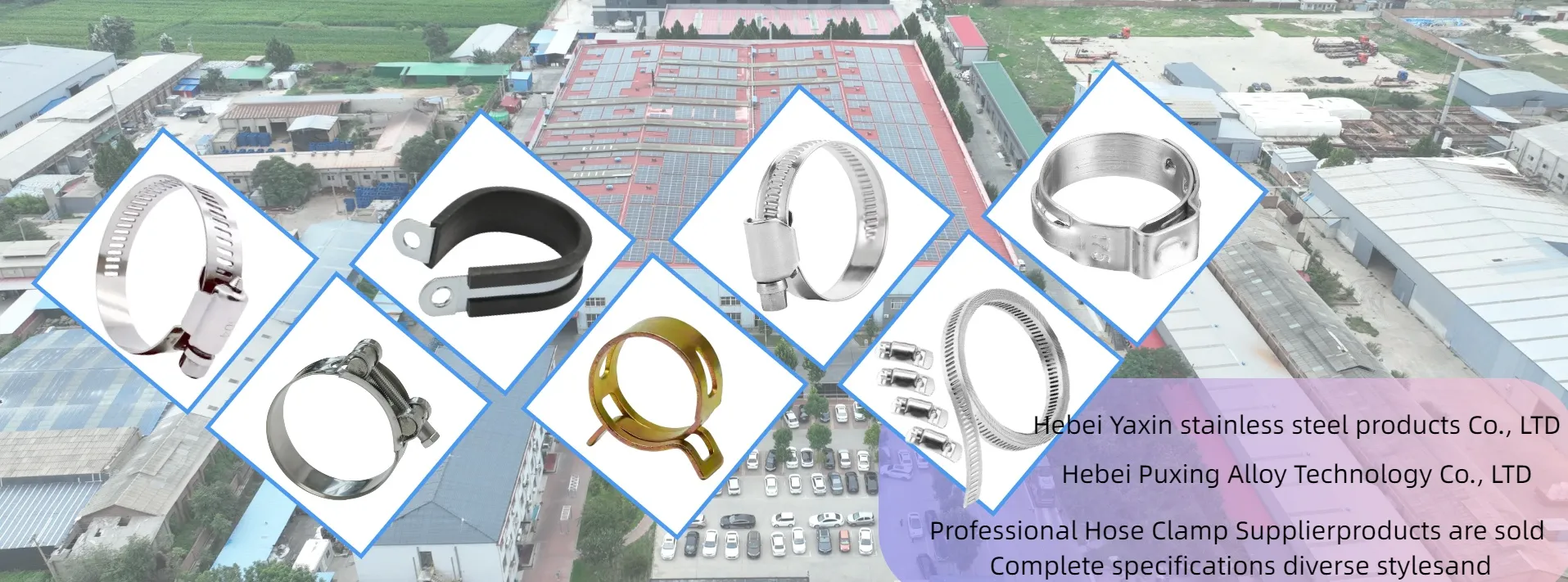
While the term “6 hose clamp” primarily references the size, these clamps come in various styles: worm gear, spring, ear clamps, and T-bolt being popular variants. Each offers different tension strengths and uses.
In humanitarian logistics, for example, hose clamps help secure portable water systems rapidly deployed during emergencies, ensuring safe and leak-free operation. In modern manufacturing, the ability to snap on and tighten these clamps swiftly means less downtime.
Key Components and Factors That Make a 6 Hose Clamp Essential
1. Durability
Most 6 hose clamps are made from stainless steel or galvanized steel to resist corrosion. This means whether it’s a tropical rainforest or an industrial desert site, these clamps keep tight - resisting rust and degradation.
2. Adjustability
The worm gear mechanism prevalent in 6 hose clamps allows fine-tuned tightening. This adjustability makes it compatible with hoses that aren’t exactly six millimeters but close enough for a snug fit.
3. Versatility
6 hose clamps accommodate different hose materials (rubber, silicone, PVC) and work for applications ranging from low-pressure irrigation to high-pressure engine cooling systems.
4. Ease of Installation
Unlike complex fittings, these clamps install quickly with minimal tools – often just a screwdriver or nut driver. A quick twist, and it’s locked.
5. Cost Efficiency
They’re inexpensive, broadly available, and reusable—helping reduce maintenance costs.
Mini takeaway:
The combination of robust materials, precise adjustability, and ease of use makes 6 hose clamps a staple in reliable hose connections.
Product Specification Table: Typical 6 Hose Clamp
| Feature | Details |
|---|---|
| Material | Stainless Steel (304 or 316) |
| Suitable Hose I.D. | 6 mm (approx. 1/4 inch) |
| Width | 8-12 mm |
| Band Type | Perforated for worm gear tightening |
| Torque Range | 1.0 to 2.5 Nm (varies with model) |
| Corrosion Resistance | High (suitable for marine and chemical exposure) |
Global Applications and Real-World Use Cases
Oddly enough, you’ll find the 6 hose clamp on everything from industrial ships docked in Rotterdam to emergency water systems in sub-Saharan Africa. 6 hose clamp variants secure hoses that deliver fuel, water, air, or chemicals in:
- Manufacturing plants: Pneumatic and hydraulic systems depend on secure hose connections to maintain pressure and avoid costly leaks.
- Agricultural irrigation: In regions like India and Brazil, reliable clamps reduce water loss and maintenance.
- Automotive repair and assembly: Secure coolant and fuel lines thanks to dependable hose clamps.
- Humanitarian aid: During disaster relief (think hurricanes or earthquakes), quickly deployed water purification units rely on leak-proof hose connections. A small clamp can literally safeguard community health.
One interesting example: in remote oil extraction regions of Alaska, climate extremes mean hose clamps must resist corrosion and stay functional in freezing temperatures. Engineers there specifically request stainless steel 6 mm hose clamps for these challenges.
Mini takeaway:
From industrial giants to grassroots relief, the humble 6 hose clamp quietly meets the demands of vastly different, critical environments.
Advantages and Long-Term Value of 6 Hose Clamps
Why do engineers and facility managers continue to trust this small device?
- Cost-effective maintenance: Durable clamps mean fewer replacements and less downtime.
- Resource conservation: Preventing leaks saves water, fuel, or chemicals, reducing environmental impact.
- Safety: Properly sealed hose connections prevent hazardous spills or fires—protecting lives.
- Trustworthiness: For businesses, reliable hardware fosters confidence from clients and regulators.
On an emotional note, anyone who’s dealt with last-minute field repairs knows the value of clamps that just work — no fuss, no extra trips to a hardware store.
Vendor Comparison: Popular 6 Hose Clamp Providers
| Vendor | Material Quality | Price Range (USD) | Delivery Speed | Customization Options |
|---|---|---|---|---|
| Puxing Clamp | High-grade 304/316 stainless steel | $0.15 - $0.45 | 2–3 days (bulk orders) | Sizes, branding, packaging |
| Global Fasteners Inc. | Standard stainless steel | $0.10 - $0.30 | 5–7 days | Limited |
| EcoClamp Solutions | Recycled stainless steel blend | $0.20 - $0.50 | Variable (based on region) | Eco-labeling, packaging |
Future Trends and Innovations in Hose Clamp Technology
The world doesn’t stand still, so neither do hose clamps. Innovations gravitate towards:
- Smart clamps: Sensors embedded to detect pressure drops or failures early.
- Eco-friendly materials: Research into biodegradable or recycled metals for reduced environmental footprint.
- Automation-friendly designs: Clamps that can be installed or adjusted by robots on production lines, speeding manufacturing.
- Improved corrosion resistance: Nano-coatings and advanced alloys to extend clamp lifespans in extreme environments.
Challenges in Using 6 Hose Clamps & Practical Solutions
Of course, no product is perfect. Some challenges with 6 hose clamps include:
- Size tolerance mismatch: Even “6 mm” hoses vary, sometimes causing improper fit.
- Material degradation: Cheap clamps can rust, leading to leaks and failures.
- Installation errors: Over-tightening can pinch hoses or damage fittings.
Experts recommend:
- Using precision clamps made by reputable manufacturers like Puxing Clamp.
- Choosing clamps with suitable corrosion resistance and testing them periodically.
- Training technicians on proper tightening torque.
FAQ: Common Questions About 6 Hose Clamps
Q1: What diameter hoses fit best with 6 hose clamps?
A 6 hose clamp is typically designed for hoses around 6 mm internal diameter. It can accommodate slight variations, but for much smaller or larger hoses, different clamp sizes are recommended to ensure a secure fit.
Q2: Can 6 hose clamps be reused after removal?
Generally, yes. High-quality 6 hose clamps, especially stainless steel ones, can be removed and reused multiple times if they are not damaged or overly stretched during installation.
Q3: Are stainless steel 6 hose clamps suitable for marine environments?
Absolutely. Stainless steel 304 or 316 grades provide strong corrosion resistance, making them ideal for marine or chemical exposure situations.
Q4: How tight should I make a 6 hose clamp?
Use a torque driver or a screwdriver carefully. Over-tightening can damage hoses, while under-tightening risks leaks. Typically, torque specs range from 1.0 to 2.5 Nm, but always consult the manufacturer’s guidelines.
Q5: Where can I buy reliable 6 hose clamps in bulk?
Manufacturers like Puxing Clamp offer bulk orders, customization, and fast global shipping, making them a preferred choice for industrial and humanitarian projects.
Conclusion: Why the 6 Hose Clamp Keeps Winning
In the grander scheme of infrastructure and industrial components, the 6 hose clamp might not headline flashy innovation conferences, but it quietly holds things together — literally and figuratively. From resource efficiency and safety to durability and cost savings, it delivers value that’s hard to beat.
If you’re involved in manufacturing, repair, or operations where hose security matters, it’s worth investing in quality clamps that meet your specific needs.
For more information, product details, or bulk orders, don’t hesitate to visit Puxing Clamp’s website and discover the range that suits your application perfectly.
References:
-
Reliable Earls Hose Clamps for Industrial Applications – Trusted by Experts
NewsDec.09,2025
-
High-Performance Ear Type Hose Clamps for Industrial Use | Puxing Clamp
NewsDec.09,2025
-
Durable Ear Style Hose Clamps | Industrial-Grade Reliability
NewsDec.09,2025
-
Ear Hose Clamps: Durable, Cost-Effective Solutions for Industrial Applications | Puxing Clamp
NewsDec.08,2025
-
Expert Guide to Ear Hose Clamp Removal Techniques and Tools
NewsDec.08,2025
-
Comprehensive Guide to Ear Hose Clamp Pliers: Global Applications & Advantages
NewsDec.08,2025
 English
  Afrikaans
  Albanian
  Amharic
  Arabic
  Armenian
  Azerbaijani
  Basque
  Belarusian
  Bengali
  Bosnian
  Bulgarian
  Catalan
  Cebuano
  Corsican
  Croatian
  Czech
Czech  Danish
  Dutch
Dutch  Esperanto
  Estonian
  Finnish
  French
  Frisian
  Galician
  Georgian
  German
  Greek
Greek  Gujarati
  Haitian Creole
  Hausa
Hausa  Hawaiian
  Hebrew
  Hindi
Hindi  Miao
Miao  Hungarian
  Icelandic
  Igbo
Igbo  Indonesian
  Irish
Irish  Italian
  Japanese
  Javanese
  Kannada
  Kazakh
  Khmer
Khmer  Rwandese
  Korean
  Kurdish
  Kyrgyz
  Lao
Lao  Latin
Latin  Latvian
  Lithuanian
  Luxembourgish
  Macedonian
  Malgashi
  Malay
Malay  Malayalam
  Maltese
  Maori
Maori  Marathi
  Mongolian
  Myanmar
  Nepali
  Norwegian
  Norwegian
  Occitan
  Pashto
  Persian
  Polish
  Portuguese
  Punjabi
  Romanian
  Russian
  Samoan
  Scottish Gaelic
  Serbian
  Sesotho
  Shona
Shona  Sindhi
  Sinhala
  Slovak
  Slovenian
  Somali
  Spanish
  Sundanese
  Swahili
  Swedish
  Tagalog
  Tajik
Tajik  Tamil
Tamil  Tatar
Tatar  Telugu
  Thai
Thai  Turkish
  Turkmen
  Ukrainian
  Urdu
Urdu  Uighur
  Uzbek
Uzbek  Vietnamese
  Welsh
Welsh  Bantu
Bantu  Yiddish
  Yoruba
  Zulu
Zulu