- Phone:+86-17331948172 +86-0319-8862898
- E-mail: inquiry@puxingclamp.com

Sep . 19, 2025 10:25 Back to list
High-Quality 201 Stainless Steel Strip - Cost-Effective Solutions
The Strategic Role of 201 Stainless Steel Strip in Modern Industry
In the dynamic landscape of industrial materials, the choice of stainless steel grade significantly impacts product longevity, performance, and cost-efficiency. Among the diverse array of austenitic stainless steels, the 201 stainless steel strip emerges as a pivotal material, particularly valued for its robust mechanical properties and favorable cost structure. This comprehensive guide delves into its manufacturing processes, technical specifications, diverse applications, and market trends, providing B2B decision-makers and engineers with essential insights for strategic material sourcing and product development. Our focus will extend to comparing its attributes with other common grades like 304 stainless steel strip and 316 stainless steel strip, highlighting its increasing prominence, especially within the context of the china stainless steel strip market.
Understanding the intricacies of 201 stainless steel strip is crucial for industries seeking a balance between high performance and economic viability, ranging from consumer goods to intricate industrial components. Its distinct composition, characterized by higher manganese and nitrogen content, contributes to its excellent strength and acceptable corrosion resistance for many environments.
Industry Trends and Market Dynamics for Stainless Steel Strip Coils
The global demand for stainless steel strip coil continues to witness steady growth, driven by expansion in infrastructure, automotive, construction, and consumer electronics sectors. This growth is particularly pronounced in Asia, where the china stainless steel strip market leads in both production and consumption. Key trends include an increasing preference for lighter, stronger, and more sustainable materials. Manufacturers are increasingly seeking materials that offer an optimal balance of performance and cost, positioning 201 stainless steel strip as a strategic choice.
While 304 stainless steel strip and 316 stainless steel strip remain benchmarks for high-corrosion resistance applications, the cost-effectiveness and favorable mechanical properties of 201 stainless steel strip are broadening its application scope. Economic volatility and raw material price fluctuations further emphasize the importance of cost-optimized solutions without compromising essential performance characteristics. This has led to innovative engineering solutions that leverage the specific advantages of 201 grade in suitable environments.
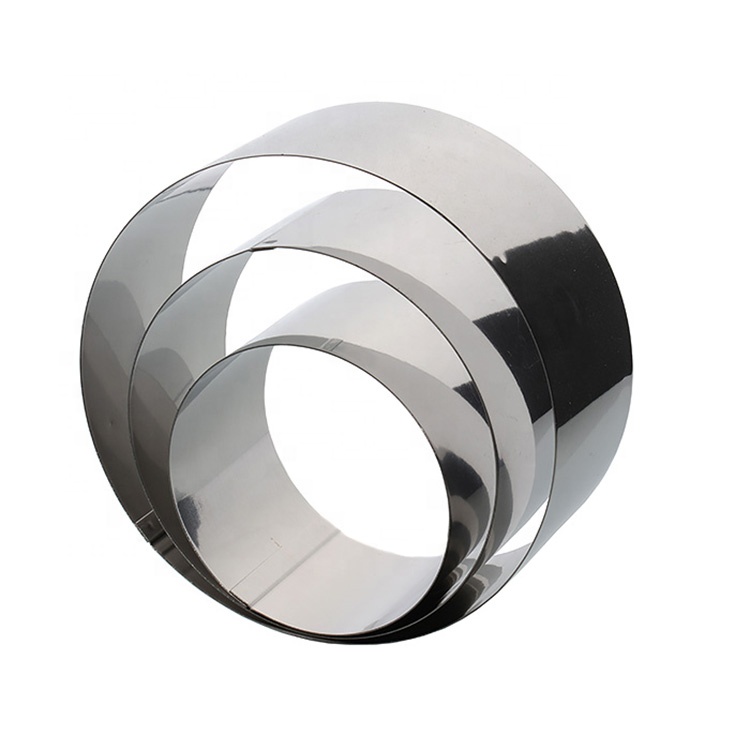
Market demand for various stainless steel strip grades is influenced by global economic shifts and technological advancements.
Manufacturing Process Flow of 201 Stainless Steel Strip
The production of 201 stainless steel strip is a sophisticated, multi-stage process designed to achieve precise material specifications and surface finishes. Adherence to international standards such as ISO 9001 and ASTM ensures consistent quality and performance. The typical manufacturing workflow involves several critical steps:
- Melting and Refining: Raw materials, including stainless steel scrap, ferrochrome, ferromanganese, and other alloys, are melted in an electric arc furnace (EAF). The molten metal is then transferred to an Argon Oxygen Decarburization (AOD) converter for precise chemical composition adjustment, focusing on controlling carbon, manganese, chromium, and nitrogen content critical for 201 grade properties.
- Continuous Casting: The refined molten steel is cast into continuous slabs. This process ensures uniformity and reduces defects, forming the foundational material for subsequent rolling.
- Hot Rolling: Slabs are reheated and passed through a series of rollers at high temperatures (typically above 1000°C). This significantly reduces thickness, refines the grain structure, and removes surface imperfections. The output is a hot-rolled coil.
- Annealing and Pickling (Hot Rolled): The hot-rolled coils undergo annealing—a heat treatment process to soften the material and relieve internal stresses. This is followed by pickling, an acid bath treatment to remove scale and impurities from the surface.
- Cold Rolling: The pickled hot-rolled coils are then cold-rolled at room temperature. This process further reduces thickness, improves surface finish, and enhances mechanical properties like strength and hardness, resulting in the characteristic smooth surface of cold-rolled 201 stainless steel strip.
- Intermediate Annealing and Pickling (Cold Rolled): For thinner gauges, multiple cold rolling passes may be required, interspersed with intermediate annealing and pickling steps to prevent work hardening and maintain ductility.
- Skin Pass/Temper Rolling: A light cold rolling pass to improve surface smoothness, eliminate yield point elongation, and achieve desired mechanical properties and flatness.
- Slitting and Finishing: The wide cold-rolled coils are precisely slit into narrower strips according to customer specifications. Edge conditioning and final inspections are performed to meet strict dimensional tolerances and surface quality requirements.
- Packaging: The finished 201 stainless steel strip coils are carefully packaged for protection during transit and storage, ready for dispatch to target industries such as petrochemical, metallurgy, and water supply & drainage.
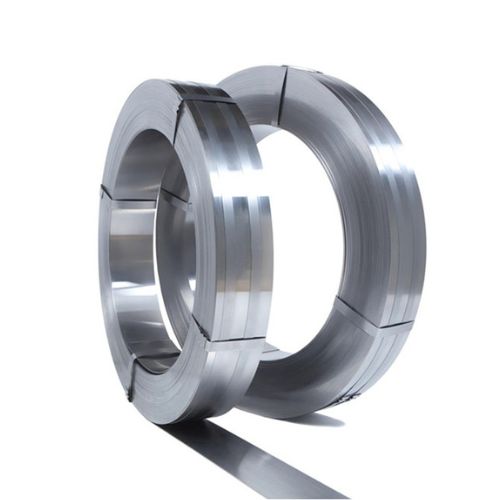
Precision cold rolling enhances the surface finish and mechanical properties of stainless steel strips.
Throughout this process, stringent quality control measures are implemented, including dimensional checks, surface inspection, and mechanical testing, ensuring that each batch of 201 stainless steel strip meets or exceeds industry standards like ASTM A666 and ANSI B36.19. This meticulous production guarantees a product with excellent energy-saving characteristics through its durability and reduced need for replacement, alongside impressive corrosion resistance for its grade.
Technical Specifications and Chemical Composition
The performance characteristics of 201 stainless steel strip are directly attributable to its unique chemical composition and subsequent mechanical properties. As an austenitic stainless steel, it offers a compelling blend of strength and formability, making it suitable for a wide array of applications.
Typical Chemical Composition (Weight %)
| Element | 201 Grade (ASTM A240) | 304 Grade (ASTM A240) | 316 Grade (ASTM A240) |
|---|---|---|---|
| Carbon (C) | 0.15 max | 0.07 max | 0.03 max |
| Manganese (Mn) | 5.50 - 7.50 | 2.00 max | 2.00 max |
| Silicon (Si) | 1.00 max | 0.75 max | 0.75 max |
| Phosphorus (P) | 0.06 max | 0.045 max | 0.045 max |
| Sulfur (S) | 0.03 max | 0.03 max | 0.03 max |
| Chromium (Cr) | 16.0 - 18.0 | 18.0 - 20.0 | 16.0 - 18.0 |
| Nickel (Ni) | 3.50 - 5.50 | 8.00 - 12.0 | 10.0 - 14.0 |
| Nitrogen (N) | 0.25 max | 0.10 max | 0.10 max |
| Molybdenum (Mo) | - | - | 2.00 - 3.00 |
Mechanical Properties (Annealed Condition)
| Property | 201 Grade (Typical) | 304 Grade (Typical) | 316 Grade (Typical) |
|---|---|---|---|
| Tensile Strength (MPa) | 515 - 725 | 515 - 690 | 515 - 690 |
| Yield Strength (0.2% Offset, MPa) | 275 - 380 | 205 - 345 | 205 - 345 |
| Elongation (% in 50mm) | 40 - 55 | 40 - 60 | 40 - 60 |
| Hardness (Rockwell B) | < 95 | < 92 | < 92 |
The higher manganese and nitrogen content in 201 stainless steel strip directly contribute to its elevated tensile and yield strengths compared to 304 and 316, making it exceptionally robust for structural applications where superior mechanical integrity is paramount. This unique composition profile means it can often be specified for tasks where a tougher material is required but without the extreme corrosion resistance of molybdenum-bearing grades.
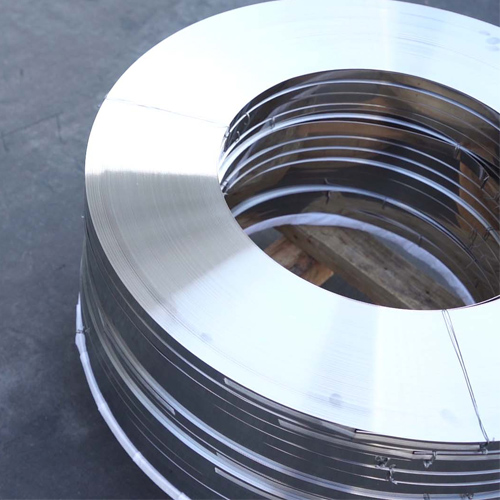
Precise chemical analysis ensures each batch of 201 stainless steel strip meets exacting standards.
Key Technical Advantages of 201 Stainless Steel Strip
The technical advantages of 201 stainless steel strip make it a preferred material across various sectors. Its distinct properties provide significant benefits in both performance and economic terms:
- High Strength-to-Weight Ratio: With its elevated yield strength, 201 offers superior structural integrity compared to traditional grades like 304, often allowing for thinner gauges without compromising strength, leading to material savings and reduced overall weight.
- Excellent Formability: Despite its higher strength, 201 retains good ductility and formability, allowing for complex shaping and deep drawing operations, which is crucial for manufacturing intricate components.
- Cost-Effectiveness: Due to its lower nickel content, 201 stainless steel strip presents a more economical alternative to 304 and 316, particularly important for mass-produced items where cost is a significant factor. This economic advantage contributes to energy saving in the overall product lifecycle due to optimized material use.
- Good Corrosion Resistance: While not on par with 316 in highly aggressive environments, 201 offers adequate corrosion resistance for a wide range of atmospheric and mild industrial applications, including in the water supply & drainage sectors. Its resistance to general corrosion and pitting makes it a reliable choice for long service life in appropriate settings.
- Aesthetic Appeal: When properly finished, 201 stainless steel strip exhibits a bright, attractive surface, making it suitable for decorative and visible applications where visual quality is important.
These advantages collectively contribute to a robust material solution for various target industries, including automotive, consumer electronics, and general architectural applications, where its balance of properties ensures a long service life and high performance.
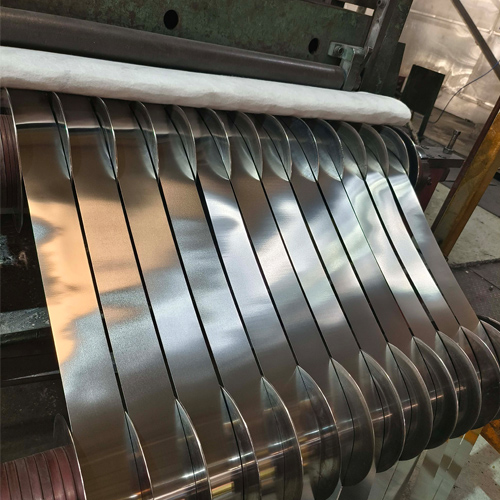
Superior strength and formability are hallmarks of high-quality 201 stainless steel strip.
Application Scenarios for 201 Stainless Steel Strip
The versatility and cost-efficiency of 201 stainless steel strip have led to its widespread adoption across numerous industries. Its properties make it particularly suitable for applications that require good strength and moderate corrosion resistance, often serving as an effective alternative to 304 in less aggressive environments.
- Kitchenware and Appliances: Due to its excellent formability and bright finish, 201 is extensively used in sinks, cookware, flatware, and various appliance components (e.g., refrigerator panels, washing machine drums) where direct contact with highly acidic or saline conditions is minimal.
- Automotive Industry: Applications include automotive trim, exhaust systems (especially where internal temperatures are high and external exposure is moderate), wheel covers, and structural components that benefit from its high strength-to-weight ratio.
- Architectural and Decorative Applications: For interior design elements, window frames, door frames, and non-load-bearing architectural components, 201 offers a durable and aesthetically pleasing solution.
- Industrial Equipment: Components for conveyors, storage tanks (for certain non-corrosive liquids), and general fabrication in industrial settings where a robust yet economical material is required. The stainless steel strip coil form allows for efficient manufacturing of these components.
- Water Supply & Drainage: Used in pipes, fittings, and covers within non-potable water systems or drainage applications where resistance to atmospheric corrosion and moderate chemical exposure is sufficient.
These scenarios underscore the adaptability of 201 stainless steel strip, making it a cornerstone material for manufacturers prioritizing both quality and economic viability in their production processes.
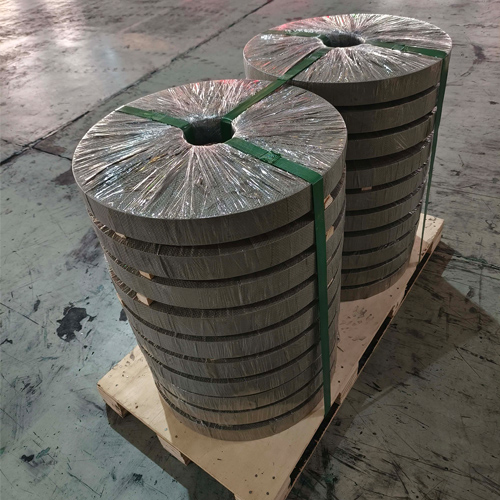
From consumer goods to industrial components, 201 stainless steel strip provides reliable performance.
Product Comparison: 201 vs. 304 vs. 316 Stainless Steel Strip
Choosing the appropriate stainless steel grade is critical for project success. While 201 stainless steel strip offers compelling advantages, understanding its differences from 304 stainless steel strip and 316 stainless steel strip is essential for optimal material selection. This comparison highlights key distinctions:
| Feature | 201 Stainless Steel Strip | 304 Stainless Steel Strip | 316 Stainless Steel Strip |
|---|---|---|---|
| Nickel Content | Lower (3.5-5.5%) | Higher (8.0-10.5%) | Highest (10.0-14.0%) |
| Manganese Content | Higher (5.5-7.5%) | Lower (2.0% max) | Lower (2.0% max) |
| Molybdenum Content | Absent | Absent | Present (2.0-3.0%) |
| Corrosion Resistance | Good (Moderate environments) | Very Good (General purpose) | Excellent (Chlorides, acids) |
| Strength | High | Moderate | Moderate |
| Cost | Lower | Medium | Higher |
| Typical Applications | Kitchenware, automotive trim, interior architecture | Food processing, general fabrication, medical equipment | Marine, chemical processing, pharmaceutical |
The absence of molybdenum in 201 means it is less resistant to chlorides and strong acids than 316. However, its high manganese content compensates for lower nickel, providing excellent strength and work hardening rates, which can be advantageous in certain manufacturing processes. The choice largely depends on the specific environmental conditions, mechanical requirements, and budget constraints of a project.
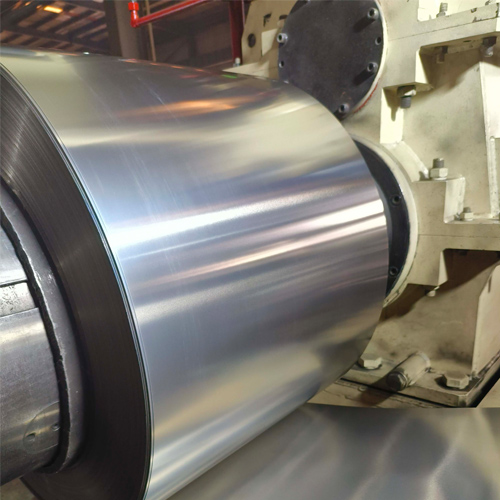
Selecting the right stainless steel grade requires careful consideration of application demands.
Vendor Comparison and Customized Solutions
When sourcing stainless steel strip coil, particularly in the competitive china stainless steel strip market, vendor selection is paramount. Key factors to consider include product quality consistency, adherence to international standards, customization capabilities, and post-sales support. A reputable vendor offers:
- Certifications: Verified compliance with ISO 9001 for quality management, ASTM, ANSI, and potentially industry-specific certifications (e.g., for food contact or medical applications).
-
Customization Expertise: The ability to provide bespoke solutions is a significant advantage. This includes tailoring:
- Width and Thickness: Precision slitting to exact dimensions, crucial for highly automated manufacturing lines.
- Surface Finish: Options ranging from 2B (cold rolled, heat treated, pickled, skin passed) to BA (bright annealed), No. 4 brushed, or mirror polish (No. 8) to meet aesthetic and functional requirements.
- Mechanical Properties: Specific temper rolling to achieve desired hardness or ductility for advanced forming operations.
- Edge Conditions: Mill edge, slit edge, or deburred edge as per application needs.
- Technical Support: Access to expert metallurgists and engineers who can advise on material selection, processing parameters, and troubleshooting.
- Logistics and Lead Times: Reliable supply chains and transparent lead times are vital for managing production schedules.
Partnering with a vendor offering extensive customization ensures that the supplied 201 stainless steel strip perfectly integrates into specific manufacturing processes, minimizing waste and optimizing performance. Look for partners with proven track records and long-term client relationships, indicative of trustworthiness and reliability.
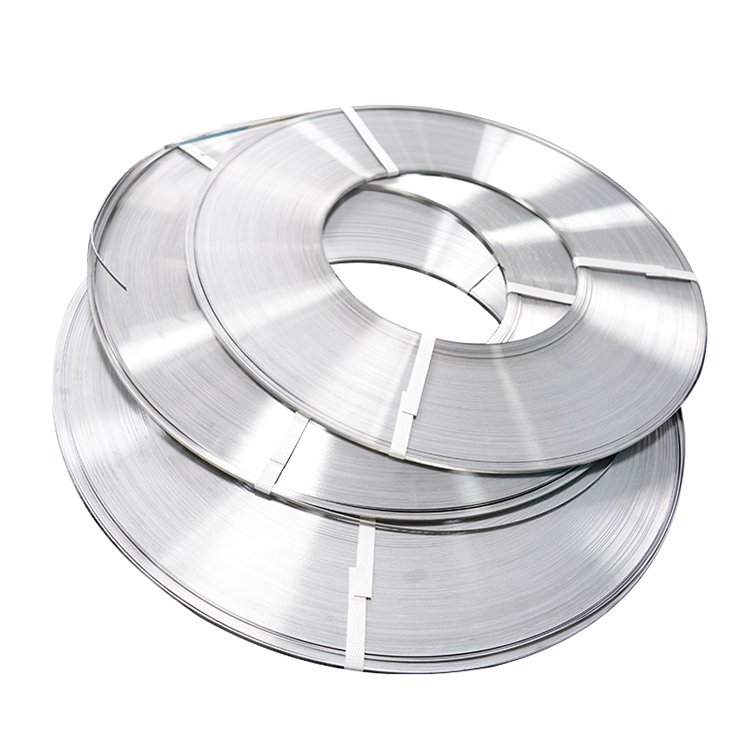
Customized solutions ensure perfect fit and optimal performance for specific application requirements.
Application Case Studies and Customer Experience
Real-world applications demonstrate the tangible benefits of utilizing 201 stainless steel strip. Our commitment to quality, evidenced by certifications and long-standing partnerships, ensures customer satisfaction.
Case Study 1: High-Volume Kitchen Sink Production
A leading manufacturer of kitchen appliances in Southeast Asia faced challenges in maintaining cost-effectiveness while ensuring adequate durability for their mid-range kitchen sinks. Initially using 304 stainless steel strip, they sought a material that offered comparable aesthetic appeal and formability but at a reduced cost.
- Solution: Transitioned to high-quality 201 stainless steel strip, specifically cold-rolled with a 2B finish. Our technical team provided extensive support during the transition, including guidance on forming parameters to leverage 201's higher work-hardening rate.
- Outcome: Achieved a 15% reduction in raw material costs without compromising product quality or visual appearance. Customer feedback highlighted the sinks' continued excellent corrosion resistance in typical domestic environments and robust mechanical integrity, proving its long service life. This strategic material shift enabled them to offer more competitive pricing in the market.
Case Study 2: Automotive Interior Trim Components
An automotive parts supplier required a durable yet visually appealing material for interior trim accents in a new vehicle line. The components needed to withstand daily wear and tear and maintain a premium appearance, while production costs were tightly controlled.
- Solution: Supplied custom-width 201 stainless steel strip with a finely brushed (No. 4) finish. The material's inherent strength provided excellent dent resistance, and its formability allowed for intricate designs.
- Outcome: The parts demonstrated exceptional durability in simulated wear tests, and the aesthetic met the stringent requirements of the automotive industry. The cost efficiency of 201 enabled the supplier to stay within budget, reinforcing the economic advantage alongside technical performance.
These cases exemplify how strategic utilization of 201 stainless steel strip, backed by reliable supply and technical expertise, translates into significant benefits for B2B clients, enhancing both product quality and profitability. Our extensive years of service and partnerships with major industries further underscore our authoritative position in the china stainless steel strip market.
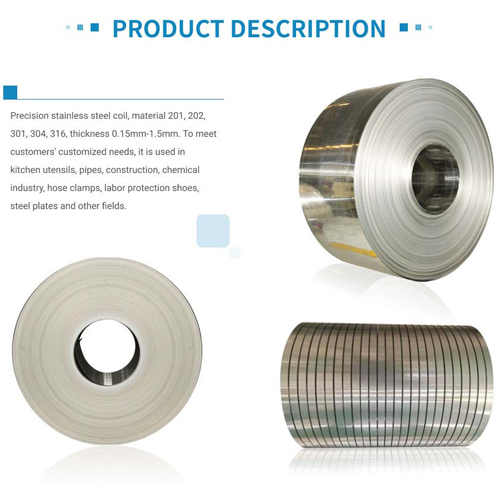
Successful application of 201 stainless steel strip in a range of industrial and consumer products.
Frequently Asked Questions (FAQ)
- Q1: What are the primary differences between 201 and 304 stainless steel strips?
- A1: The main difference lies in their chemical composition. 201 stainless steel contains less nickel and more manganese and nitrogen compared to 304. This results in 201 having higher strength but slightly lower corrosion resistance than 304. 201 is also generally more cost-effective due to its lower nickel content.
- Q2: Is 201 stainless steel strip suitable for outdoor use?
- A2: 201 stainless steel strip offers good corrosion resistance in most atmospheric conditions and is suitable for outdoor use in mild to moderate environments. However, in coastal areas or environments with high chloride exposure, 304 stainless steel strip or 316 stainless steel strip would provide superior resistance to pitting and crevice corrosion.
- Q3: Can 201 stainless steel strip be welded?
- A3: Yes, 201 stainless steel can be welded using common fusion and resistance welding methods. However, its higher work-hardening rate and lower chromium content (compared to 304) may require careful consideration of welding parameters to prevent hot cracking and sensitization. Using low-carbon filler metals is often recommended.
- Q4: What surface finishes are available for 201 stainless steel strip?
- A4: We offer a range of finishes for 201 stainless steel strip, including 2B (cold rolled, heat treated, pickled, skin passed for a smooth, reflective finish), BA (bright annealed for a mirror-like finish), No. 4 (brushed finish), and customized mirror polish (No. 8) to meet specific aesthetic and functional requirements.
Logistics, Warranty, and Customer Support
We understand the critical importance of reliable supply chains and robust post-purchase support for our B2B clients.
- Lead Time and Fulfillment: Our optimized manufacturing processes and extensive inventory management enable us to offer competitive lead times. Standard orders for stainless steel strip coil are typically fulfilled within 2-4 weeks, with expedited options available for urgent requirements. Customized orders may vary based on complexity and material availability; detailed timelines are provided at the quotation stage. We ensure efficient logistics, leveraging our network within the china stainless steel strip sector for timely global delivery.
- Quality Assurance and Warranty: All our products, including 201 stainless steel strip, adhere to strict international quality standards (e.g., ISO 9001, ASTM, ANSI). We provide a comprehensive warranty against manufacturing defects and non-compliance with specified technical parameters. Detailed warranty terms are available upon request and accompany all product shipments, ensuring peace of mind for our customers.
- Dedicated Customer Support: Our team of technical experts and customer service professionals is available to provide unparalleled support, from initial consultation and material selection to post-delivery assistance. We offer technical guidance on material properties, processing, and application suitability to ensure that our clients maximize the value of our 201 stainless steel strip and other stainless steel products.
Our commitment extends beyond product delivery to fostering long-term partnerships built on trust, quality, and responsiveness.
Conclusion
The strategic integration of 201 stainless steel strip into various industrial and commercial applications represents a judicious balance of performance and economic efficiency. Its unique chemical composition and robust mechanical properties position it as an indispensable material for manufacturers seeking high-strength, formable, and moderately corrosion-resistant solutions. From high-volume consumer goods to specialized industrial components, the advantages of 201 are becoming increasingly evident.
As global industries continue to evolve, the demand for adaptable and cost-effective materials like stainless steel strip coil will only grow. With our expertise in manufacturing high-quality china stainless steel strip, backed by stringent quality control, comprehensive customization options, and dedicated customer support, we are well-positioned to meet these evolving needs, empowering our clients to innovate and excel in their respective markets.
References
- ASM International. (2001). ASM Handbook, Volume 1: Properties and Selection: Irons, Steels, and High-Performance Alloys. ASM International.
- International Organization for Standardization (ISO). (2015). ISO 9001:2015 Quality management systems — Requirements.
- ASTM International. (2020). ASTM A240/A240M - Standard Specification for Chromium and Chromium-Nickel Stainless Steel Plate, Sheet, and Strip for Pressure Vessels and for General Applications.
- American Iron and Steel Institute (AISI). (Various publications). Stainless Steel Information & Data.
-
Reliable Earls Hose Clamps for Industrial Applications – Trusted by Experts
NewsDec.09,2025
-
High-Performance Ear Type Hose Clamps for Industrial Use | Puxing Clamp
NewsDec.09,2025
-
Durable Ear Style Hose Clamps | Industrial-Grade Reliability
NewsDec.09,2025
-
Ear Hose Clamps: Durable, Cost-Effective Solutions for Industrial Applications | Puxing Clamp
NewsDec.08,2025
-
Expert Guide to Ear Hose Clamp Removal Techniques and Tools
NewsDec.08,2025
-
Comprehensive Guide to Ear Hose Clamp Pliers: Global Applications & Advantages
NewsDec.08,2025
 English
  Afrikaans
  Albanian
  Amharic
  Arabic
  Armenian
  Azerbaijani
  Basque
  Belarusian
  Bengali
  Bosnian
  Bulgarian
  Catalan
  Cebuano
  Corsican
  Croatian
  Czech
Czech  Danish
  Dutch
Dutch  Esperanto
  Estonian
  Finnish
  French
  Frisian
  Galician
  Georgian
  German
  Greek
Greek  Gujarati
  Haitian Creole
  Hausa
Hausa  Hawaiian
  Hebrew
  Hindi
Hindi  Miao
Miao  Hungarian
  Icelandic
  Igbo
Igbo  Indonesian
  Irish
Irish  Italian
  Japanese
  Javanese
  Kannada
  Kazakh
  Khmer
Khmer  Rwandese
  Korean
  Kurdish
  Kyrgyz
  Lao
Lao  Latin
Latin  Latvian
  Lithuanian
  Luxembourgish
  Macedonian
  Malgashi
  Malay
Malay  Malayalam
  Maltese
  Maori
Maori  Marathi
  Mongolian
  Myanmar
  Nepali
  Norwegian
  Norwegian
  Occitan
  Pashto
  Persian
  Polish
  Portuguese
  Punjabi
  Romanian
  Russian
  Samoan
  Scottish Gaelic
  Serbian
  Sesotho
  Shona
Shona  Sindhi
  Sinhala
  Slovak
  Slovenian
  Somali
  Spanish
  Sundanese
  Swahili
  Swedish
  Tagalog
  Tajik
Tajik  Tamil
Tamil  Tatar
Tatar  Telugu
  Thai
Thai  Turkish
  Turkmen
  Ukrainian
  Urdu
Urdu  Uighur
  Uzbek
Uzbek  Vietnamese
  Welsh
Welsh  Bantu
Bantu  Yiddish
  Yoruba
  Zulu
Zulu