- Phone:+86-17331948172 +86-0319-8862898
- E-mail: inquiry@puxingclamp.com

Dec . 02, 2025 16:56 Back to list
Comprehensive Guide to Advance Auto Parts Hose Clamps: Durability, Uses, and Innovations
Understanding Advance Auto Parts Hose Clamps: What They Are and Why They Matter
In the world of automotive repair and manufacturing, the humble hose clamp might not seem like the star of the show. Yet, advance auto parts hose clamps are crucial components that keep countless fluid systems sealed tightly, preventing leaks and ensuring engine performance. Globally, from bustling car garages in Detroit to remote industrial zones in Southeast Asia, they maintain vehicle integrity and safety. Understanding these clamps — what makes them tick, why their design matters, and how innovations are shaping their future — offers insights for businesses and mechanics alike.
Global Context: The Importance of Reliable Hose Clamps
According to the International Organization for Standardization (ISO), quality assurance in automotive parts reduces maintenance costs and accidents significantly. Hose clamps, like those found in advance auto parts, contribute directly to this reliability. With over 1.4 billion vehicles worldwide (source: OICA), even a tiny failure in hose connection can lead to costly breakdowns or safety hazards. The automotive aftermarket alone represents a $400 billion industry (Statista, 2023), and durable, versatile clamps form a backbone of this ecosystem.
Yet a challenge remains: how to balance cost, durability, and ease of installation. Many low-grade clamps fail prematurely due to corrosion or improper fitting—straining engineers and mechanics around the globe.
What Are Advance Auto Parts Hose Clamps? A Plain Definition
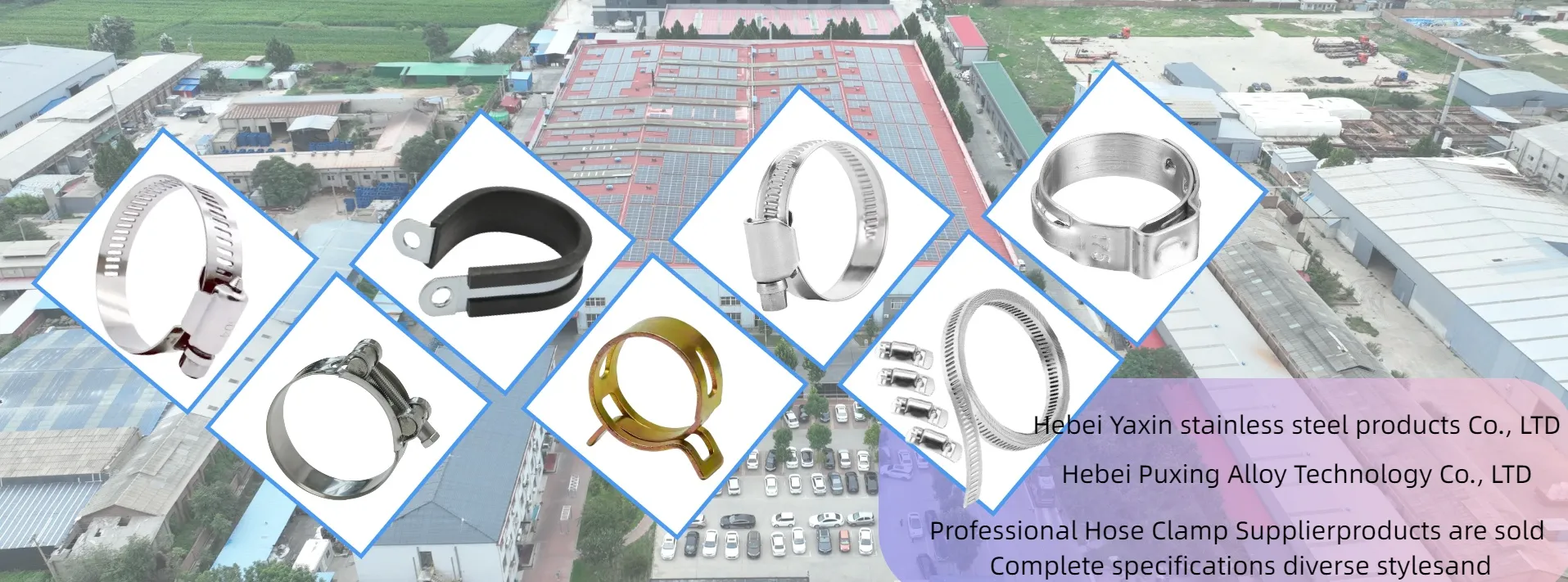
Simply put, advance auto parts hose clamps are small fastening devices designed to attach and seal a hose onto a fitting such as a barb or nipple. They come in various styles — worm gear clamps, spring clamps, and T-bolt clamps are popular types. Their job? Prevent leaks of fluids and gases under pressure in automotive engines, HVAC systems, and industrial machinery.
They’re not just mechanical parts; they’re vital links that keep fuel, oil, coolant, and air flowing where they should — avoiding costly spills or engine damage. With the rise of electric cars, hose clamps continue to be indispensable in cooling systems and older combustion engine models.
Key Components and Factors of Hose Clamps
1. Durability & Corrosion Resistance
Clamps are often exposed to heat, oil, road salt, and moisture, so materials like stainless steel or coated alloys dominate. Advance auto parts clamps typically use 304 or 316 stainless steel grades, balancing corrosion resistance with cost. This enhances longevity — crucial when vehicle maintenance cycles aim to stretch.
2. Scalability & Versatility
Automotive systems vary vastly in hose diameter and pressure. Clamps must adapt accordingly. Most come adjustable — for a range of diameters — reducing inventory needs for garages and manufacturers.
3. Installation Ease & Reliability
A clamp that’s hard to install or requires special tools is a headache. Worm gear clamps with simple screwdrivers are common for this reason, but in automated assembly lines, T-bolt clamps provide secure, uniform tension quickly.
4. Cost Efficiency
Price competition is fierce in aftermarket parts. Yet cost-cutting can’t sacrifice safety. The best clamps balance affordable materials and manufacturing processes while maintaining industry standards like SAE J1508.
| Specification | Feature | Details |
|---|---|---|
| Material | Stainless Steel 304 / 316 | High corrosion resistance, durable |
| Sizes | 6 mm - 150 mm diameter range | Fits most automotive hoses |
| Clamp Types | Worm gear, Spring, T-Bolt | For varying pressure and installation needs |
| Operating Temperature | -40°C to 150°C | Suitable for engine and coolant lines |
Global Applications & Use Cases
These clamps find their home in nearly every vehicle produced worldwide — from tiny scooters in India to large trucks in Europe. In fact, industries like agricultural machinery, construction vehicles, and even aerospace apply hose clamps in cooling and fuel systems.
Oddly enough, they’re also vital in humanitarian logistics, attached to water purification units and emergency shelters where flexible plumbing is needed. For example, in post-disaster relief efforts in Southeast Asia, reliable hose clamps help maintain clean water distribution lines — a simple part with a big humanitarian impact.
Vendor Comparison: A Quick Look
| Vendor | Materials Used | Price Range | Lead Time | Global Availability |
|---|---|---|---|---|
| Vendor A (USA) | 316 Stainless Steel | $$$ | 2 weeks | North America, EU |
| Vendor B (China) | Stainless Steel 304 | $ | 4-6 weeks | Global |
| Vendor C (Europe) | Coated Alloy Steel | $$ | 1-3 weeks | EU, UK |
Advantages & Long-Term Value of Advanced Hose Clamps
What’s surprisingly emotional about hose clamps? Well, their reliability can mean safety for drivers and peace of mind for mechanics. No one wants to deal with an overnight breakdown from a slipping hose, especially on long journeys or in harsh climates. From a business perspective, investing in quality clamps reduces warranty claims and service downtime.
Sustainability also factors in, as durable clamps require fewer replacements, cutting down industrial waste. Moreover, the innovation in materials aligns well with environmental regulations aiming to extend vehicle lifespans.
Future Trends & Innovations
The future? Well, it’s quite interesting. Innovations in polymer-coated clamps improve corrosion resistance without adding weight. Digital torque tools now ensure perfect clamp tension during assembly, reducing human error. Some vendors explore smart clamps embedded with sensors to monitor pressure or clamp integrity in real time — particularly relevant to electric and autonomous vehicles.
Additionally, sourcing recycled metals and adopting greener production methods answers industry calls for sustainability.
Challenges & Solutions
Not all clamps are created equal. Challenges include variations in hose material softness, diameter inconsistencies, and exposure to extreme chemicals or temperatures that can prematurely degrade clamps. Cheap clamps introduce risk, while premium clamps sometimes carry steep costs.
Experts suggest thorough specification reviews and testing before adoption, plus supplier audits and certifications to ensure standards compliance. Agencies like SAE International provide guidelines to navigate this complexity.
FAQ: Practical Questions About Advance Auto Parts Hose Clamps
-
Q: What makes advance auto parts hose clamps better than generic clamps?
A: They usually meet higher quality standards, feature superior materials like 316 stainless steel, and offer better precision in fit and durability, reducing maintenance frequency. -
Q: Can I reuse hose clamps once removed?
A: Generally, reusable clamps like worm gear types can be reused if not damaged, but spring or T-bolt clamps may lose tension and should be replaced for safety. -
Q: Are there specific size standards for automotive hose clamps?
A: Yes, SAE J1508 outlines dimensional and performance standards widely accepted in the industry, ensuring interoperability and safety. -
Q: How do I choose the right clamp type for my vehicle?
A: Consider the application pressure, hose size, and environment. Worm gear clamps suit general uses, while T-bolt clamps fit high-pressure cooling and turbo lines.
Conclusion
The long-term benefits of investing in quality advance auto parts hose clamps go beyond preventing leaks—they support vehicle safety, reduce overall maintenance costs, and even contribute to sustainability efforts. Whether you’re a mechanic, fleet manager, or car enthusiast, understanding these small yet powerful components makes a real difference. For those interested, visiting our website at https://www.puxingclamp.com is a solid next step toward sourcing reliable, well-designed hose clamps.
Reflecting on this, it’s funny how something so small can have such an outsized impact on global mobility and safety. Sometimes, the beauty is in what holds everything together — literally.
References
-
Reliable Earls Hose Clamps for Industrial Applications – Trusted by Experts
NewsDec.09,2025
-
High-Performance Ear Type Hose Clamps for Industrial Use | Puxing Clamp
NewsDec.09,2025
-
Durable Ear Style Hose Clamps | Industrial-Grade Reliability
NewsDec.09,2025
-
Ear Hose Clamps: Durable, Cost-Effective Solutions for Industrial Applications | Puxing Clamp
NewsDec.08,2025
-
Expert Guide to Ear Hose Clamp Removal Techniques and Tools
NewsDec.08,2025
-
Comprehensive Guide to Ear Hose Clamp Pliers: Global Applications & Advantages
NewsDec.08,2025
 English
  Afrikaans
  Albanian
  Amharic
  Arabic
  Armenian
  Azerbaijani
  Basque
  Belarusian
  Bengali
  Bosnian
  Bulgarian
  Catalan
  Cebuano
  Corsican
  Croatian
  Czech
Czech  Danish
  Dutch
Dutch  Esperanto
  Estonian
  Finnish
  French
  Frisian
  Galician
  Georgian
  German
  Greek
Greek  Gujarati
  Haitian Creole
  Hausa
Hausa  Hawaiian
  Hebrew
  Hindi
Hindi  Miao
Miao  Hungarian
  Icelandic
  Igbo
Igbo  Indonesian
  Irish
Irish  Italian
  Japanese
  Javanese
  Kannada
  Kazakh
  Khmer
Khmer  Rwandese
  Korean
  Kurdish
  Kyrgyz
  Lao
Lao  Latin
Latin  Latvian
  Lithuanian
  Luxembourgish
  Macedonian
  Malgashi
  Malay
Malay  Malayalam
  Maltese
  Maori
Maori  Marathi
  Mongolian
  Myanmar
  Nepali
  Norwegian
  Norwegian
  Occitan
  Pashto
  Persian
  Polish
  Portuguese
  Punjabi
  Romanian
  Russian
  Samoan
  Scottish Gaelic
  Serbian
  Sesotho
  Shona
Shona  Sindhi
  Sinhala
  Slovak
  Slovenian
  Somali
  Spanish
  Sundanese
  Swahili
  Swedish
  Tagalog
  Tajik
Tajik  Tamil
Tamil  Tatar
Tatar  Telugu
  Thai
Thai  Turkish
  Turkmen
  Ukrainian
  Urdu
Urdu  Uighur
  Uzbek
Uzbek  Vietnamese
  Welsh
Welsh  Bantu
Bantu  Yiddish
  Yoruba
  Zulu
Zulu