- Phone:+86-17331948172 +86-0319-8862898
- E-mail: inquiry@puxingclamp.com

Oct . 18, 2025 12:20 Back to list
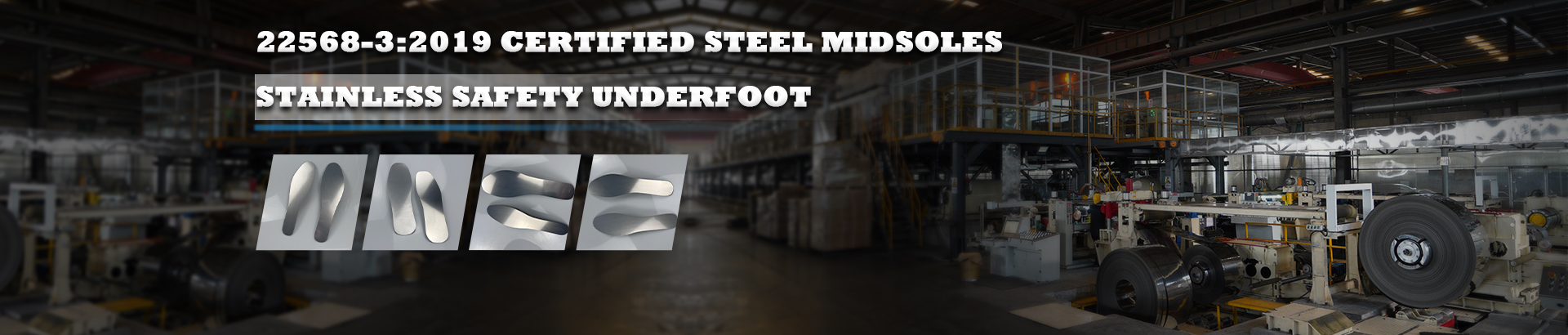
High Quality Steel Stainless Midsole for Safety Shoes, Tough
Steel vs. Aramid: What Really Matters in a Midsole Plate for Safety Shoes
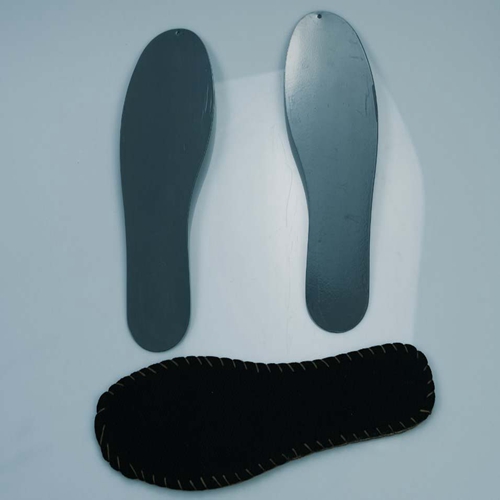
If you’ve been speccing footwear components lately, you’ve probably weighed up a high quality steel stainless midsole for safety shoes against modern aramid inserts. I’ve done the same on factory floors from Wenzhou to León. And, to be honest, the debate isn’t just about “steel = strong” anymore. The rise of lightweight, flexible aramid—like the High Quality kevlar midsole plate For Safety Shoes Manufacturer from East Zhaozhuang Village, Shahe Town, Xingtai City, Hebei, China—has shifted buyer expectations.
Industry trend check
Actually, two currents run in parallel: traditional buyers still trust high quality steel stainless midsole for safety shoes for their predictable nail-resistance, while performance-focused brands increasingly specify aramid for comfort, weight reduction, and thermal behavior. Many customers say their wearers notice less foot fatigue after long shifts. Surprisingly, the switch often reduces return rates tied to rigidity.
Product snapshot: aramid (Kevlar) midsole plate
| Item | Kevlar (aramid) penetration-resistant midsole |
| Thickness | 0.5 mm / 0.8 mm |
| Color | White |
| Standard | Manufacturer states EN22568 (commonly aligned with EN 12568; testing per EN ISO 20344/20345 in practice) [real-world use may vary] |
| Penetration resistance | ≥1200 N (≈ per EN 12568 method, nail Ø4.5 mm) |
| Flexing resistance | ≈1,500,000 cycles (EN 12568 reference) |
| Functions | Water-resistant, anti-smash (with toe-cap), anti-puncture, skidproof support |
Steel vs aramid: quick vendor-style comparison
| Supplier/Type | Typical Penetration | Weight (pair) ≈ | Flexibility | Corrosion/Cold Transfer | Certs Note |
|---|---|---|---|---|---|
| Puxing Aramid (Hebei) | ≥1200 N | ≈60–90 g | High | No rust; low thermal conduction | Targets EN 12568 / EN ISO 20344 |
| Generic 304 Stainless Insert | ≥1100–1200 N | ≈120–180 g | Medium | Low rust; higher cold transfer | EN 12568 common |
| Import Brand B (Steel) | ≥1100 N | ≈140–200 g | Lower | Possible rust in harsh salt | EN/ASTM mix (check lot) |

Process flow and testing
- Materials: woven aramid fabric, resin impregnation; steel versions use 304/430 stainless sheet.
- Methods: layup → heat setting/pressing → precision die-cut; steel is stamped and deburred.
- Testing: nail penetration (≥1100–1200 N), flexing to ≈1.5M cycles, water absorption, dimensional stability; steel also gets salt-spray checks. Standards reference: EN 12568, EN ISO 20344/20345; ASTM F2413 in North America.
- Service life: around 18–36 months depending on workload, humidity, and outsole design.
Where they’re used
Construction, warehousing, logistics, automotive assembly, glass handling, utilities, light oil & gas. In cold rooms, aramid tends to feel warmer underfoot than high quality steel stainless midsole for safety shoes due to lower thermal conductivity.
Customization and buyer notes
Sizes tailored to men’s/women’s lasts, thickness 0.5/0.8 mm, optional ESD paths, logo printing, and die-cut shapes for cemented or direct-injected constructions. From Hebei, lead times are often steady—freight fluctuations aside.
Mini case notes (real factory chatter)
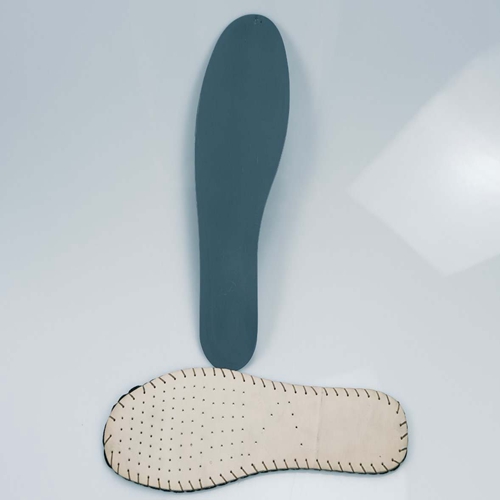
- European OEM swap: steel → aramid cut boot weight by ≈120 g/pair; field reports showed less fatigue on 10-hour shifts.
- Domestic logistics brand: maintained 1200 N penetration while reducing cold transfer complaints in winter warehouses.
To be fair, if you need a rigid feel for certain lasts, a high quality steel stainless midsole for safety shoes still has its place. But most urban safety footwear lines now favor aramid for comfort and corrosion immunity.
Certifications and documentation
Ask for EN 12568 and EN ISO 20344/20345 test reports per batch, plus penetration plots (N vs. displacement). For North America, request ASTM F2413 alignment. Many buyers also log REACH compliance for textile chemistry.
References:
- EN ISO 20345:2021 – Personal protective equipment – Safety footwear.
- EN 12568:2010 – Foot and leg protectors – Requirements and test methods for toe caps and penetration-resistant inserts.
- ASTM F2413-18 – Performance Requirements for Protective (Safety) Toe Cap Footwear.
-
Reliable Earls Hose Clamps for Industrial Applications – Trusted by Experts
NewsDec.09,2025
-
High-Performance Ear Type Hose Clamps for Industrial Use | Puxing Clamp
NewsDec.09,2025
-
Durable Ear Style Hose Clamps | Industrial-Grade Reliability
NewsDec.09,2025
-
Ear Hose Clamps: Durable, Cost-Effective Solutions for Industrial Applications | Puxing Clamp
NewsDec.08,2025
-
Expert Guide to Ear Hose Clamp Removal Techniques and Tools
NewsDec.08,2025
-
Comprehensive Guide to Ear Hose Clamp Pliers: Global Applications & Advantages
NewsDec.08,2025
 English
  Afrikaans
  Albanian
  Amharic
  Arabic
  Armenian
  Azerbaijani
  Basque
  Belarusian
  Bengali
  Bosnian
  Bulgarian
  Catalan
  Cebuano
  Corsican
  Croatian
  Czech
Czech  Danish
  Dutch
Dutch  Esperanto
  Estonian
  Finnish
  French
  Frisian
  Galician
  Georgian
  German
  Greek
Greek  Gujarati
  Haitian Creole
  Hausa
Hausa  Hawaiian
  Hebrew
  Hindi
Hindi  Miao
Miao  Hungarian
  Icelandic
  Igbo
Igbo  Indonesian
  Irish
Irish  Italian
  Japanese
  Javanese
  Kannada
  Kazakh
  Khmer
Khmer  Rwandese
  Korean
  Kurdish
  Kyrgyz
  Lao
Lao  Latin
Latin  Latvian
  Lithuanian
  Luxembourgish
  Macedonian
  Malgashi
  Malay
Malay  Malayalam
  Maltese
  Maori
Maori  Marathi
  Mongolian
  Myanmar
  Nepali
  Norwegian
  Norwegian
  Occitan
  Pashto
  Persian
  Polish
  Portuguese
  Punjabi
  Romanian
  Russian
  Samoan
  Scottish Gaelic
  Serbian
  Sesotho
  Shona
Shona  Sindhi
  Sinhala
  Slovak
  Slovenian
  Somali
  Spanish
  Sundanese
  Swahili
  Swedish
  Tagalog
  Tajik
Tajik  Tamil
Tamil  Tatar
Tatar  Telugu
  Thai
Thai  Turkish
  Turkmen
  Ukrainian
  Urdu
Urdu  Uighur
  Uzbek
Uzbek  Vietnamese
  Welsh
Welsh  Bantu
Bantu  Yiddish
  Yoruba
  Zulu
Zulu