- Phone:+86-17331948172 +86-0319-8862898
- E-mail: inquiry@puxingclamp.com

Nov . 28, 2025 19:05 Back to list
5 8 Hose Clamp – Reliable Fastening Solutions for Industrial and Automotive Use
Understanding the 5 8 Hose Clamp: Small Part, Big Impact
At first glance, the humble 5 8 hose clamp might not seem like the most exciting industrial component. Yet, this little reliable fastener plays a massive role in ensuring the safety, efficiency, and durability of countless mechanical systems worldwide. From automotive engines to agricultural irrigation and even humanitarian water delivery systems, the 5/8” hose clamp is quietly keeping connections secure and preventing leaks that could have ripple effects on operations and safety.
Why does it matter globally? Consider that the global hose clamp market is expected to grow steadily, driven by increased mechanization across sectors and a rising emphasis on leak-proof, durable connections [1]. Understanding this simple piece can unlock improvements in maintenance, cost efficiency, and environmental sustainability worldwide.
The Global Context: Why 5 8 Hose Clamps Are Everywhere
Across continents and industries, hoses connect fluids, air, fuel, and other mediums under pressure or flow. The 5 8 hose clamp, specifically fitting hoses around 5/8 inch in diameter, is a standard solution for securing these connections. According to ISO standards and industry reports, proper hose fastening drastically reduces equipment failures. For instance, in the automotive sector—which accounted for roughly 50% of hose clamp uses globally in 2022—the clamp’s ability to prevent leakage keeps engines running cleaner and more efficiently.
Yet, the challenge many industries face is corrosive environments and fluctuating pressures, where a poor clamp can mean disaster—think agricultural drip irrigation failure in semi-arid regions or safety risks in chemical plants. The solution is often a robust, well-engineered 5 8 hose clamp that can stand up to tough demands without extra fuss.
What Is a 5 8 Hose Clamp?
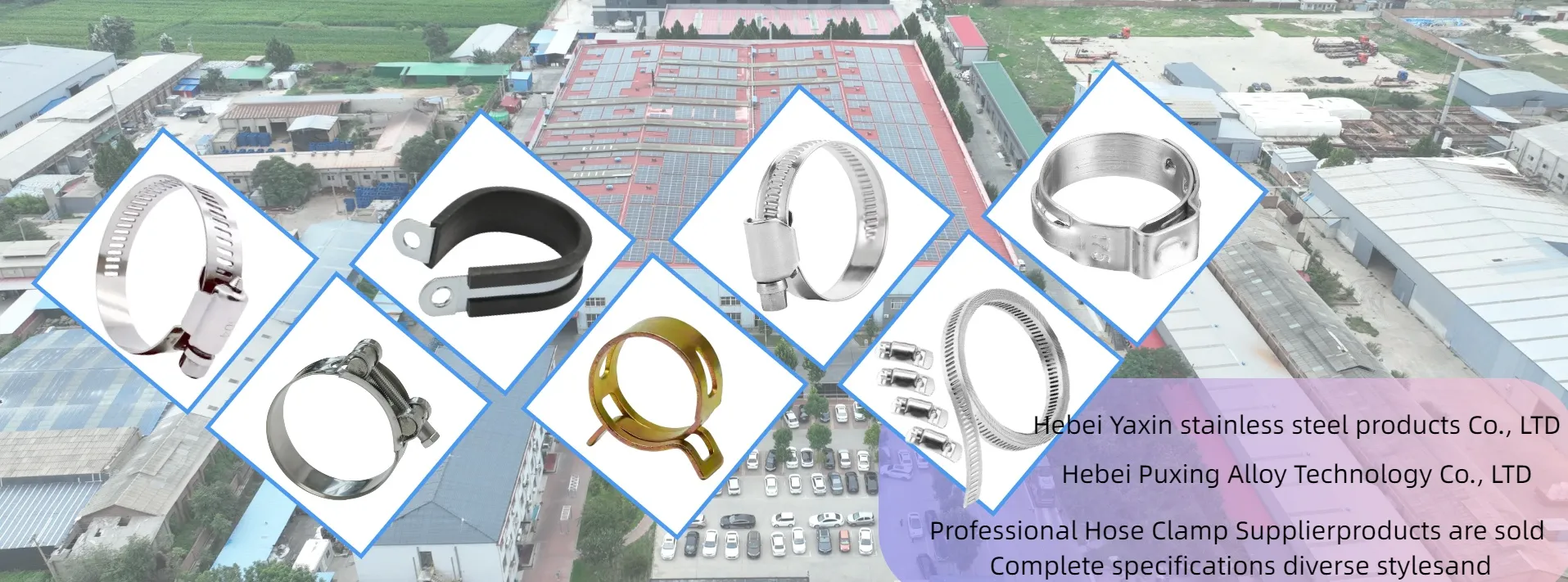
Simply put, a 5 8 hose clamp is a mechanical band made usually of stainless steel or another corrosion-resistant metal. It wraps around a hose — typically one with a 5/8-inch diameter — and tightens to secure the hose onto a fitting, preventing leaks or hose slippage. The most common designs include worm-gear clamps and ear clamps, each with slight variations in usage and strength.
This component connects industrial needs to everyday functions — consider emergency water supply systems in remote villages or the assembly lines that rely on perfectly secured hoses to move air, fuel, or fluids with zero tolerance for failure. It’s a quiet hero, often invisible in operation, but absolutely vital in preventing downtime and costly repairs.
Key Components and Factors of 5 8 Hose Clamps
1. Durability
Most 5 8 hose clamps are made from stainless steel for corrosion resistance—critical when exposed to moisture or chemicals. The material quality directly affects clamp longevity and resistance against rusting or breaking.
2. Clamping Force
The ability to apply an even pressure around the hose means a consistent seal, reducing leaks. Worm gear clamps, for example, offer adjustable tension, making them versatile across slightly varying hose thicknesses.
3. Ease of Installation
With simple screwdrivers or hex wrenches, 5 8 hose clamps can be tightened or loosened quickly, minimizing downtime—a big advantage in field repairs or assembly lines.
4. Compatibility and Size Accuracy
Matching the clamp size precisely to the hose diameter (5/8 inch here) ensures an optimal fit—too large or too small invites slippage or damage.
5. Cost Efficiency
5 8 hose clamps offer excellent value given their long service life and the relatively low price. This is especially important for large-scale operations that require thousands of fasteners.
| Feature | Specification |
|---|---|
| Clamp Diameter Range | 0.56 in – 0.62 in (14.2 mm – 15.7 mm) |
| Material | Stainless Steel 304 or 316 |
| Clamp Type | Worm Gear, Ear Clamp |
| Tensile Strength | Approximately 80 – 100 N |
| Operating Temperature Range | -40°C to +150°C (-40°F to +302°F) |
Global Applications & Use Cases of the 5 8 Hose Clamp
From industrial workshops in Southeast Asia to emergency aid distribution networks in Africa, the 5 8 hose clamp is everywhere. Its use ranges across:
- Automotive and Transportation: Holding fuel, coolant, and vacuum lines firmly to avoid leaks and maintain performance.
- Agriculture and Irrigation: Ensuring drip systems and sprinkler hoses stay secure in rough terrain.
- Industrial Machinery: Connecting pneumatic hoses and fluid lines in factories.
- Disaster Relief Projects: In post-disaster water purification setups or mobile medical units, these clamps help maintain critical supply lines.
- HVAC Systems: Securing air hoses for climate regulation.
For example, in remote industrial setups in Australia, where machinery operates 24/7 and downtime means losses, engineers rely heavily on robust 5 8 hose clamps to cut maintenance headaches.
5 8 hose clampAdvantages & Long-Term Value of Using 5 8 Hose Clamps
Why do engineers often prefer these clamps? Well, beyond their affordability, they bring peace of mind. A quality 5 8 hose clamp resists corrosion, withstands pressure fluctuations, and lasts through seasons and harsh environments. That translates to fewer emergency repairs, less fluid or gas wasted, and ultimately a smaller environmental footprint by avoiding leaks.
Also, from a safety perspective, a proper clamp avoids hose blowouts that might cause accidents or machine damage. On an emotional level, operators trust their gear more, which adds a subtle confidence in high-stress or time-critical situations.
Looking Ahead: Trends & Innovations in 5 8 Hose Clamps
Innovation is ongoing. Advanced coatings and alloys aim to further resist corrosion and extend clamp life, even in saltwater or chemical environments. Also, automated assembly tools speed up installation, reducing labor costs.
Some manufacturers are integrating sensor technology into clamps to monitor pressure and tighten status remotely — a step toward Industry 4.0’s predictive maintenance. Sustainability efforts push towards recyclable or bio-based materials for clamps, echoing a larger trend for greener industrial components.
Common Challenges & Practical Solutions
Despite its simplicity, the 5 8 hose clamp faces some issues:
- Over-tightening Risks: Can damage hoses if tightened beyond specs.
- Corrosion in Harsh Environments: Low-grade metals rust, decreasing lifespan.
- Fitment Issues: Using the wrong size or type can cause leaks or hose damage.
Solutions? Training for proper installation is essential. Using premium stainless steel or specialized coatings minimizes corrosion. And always matching the clamp size exactly to the hose diameter avoids fitment pitfalls.
Vendors like Puxing Clamp offer detailed size charts and support services to help clients pick the right clamp—this kind of expertise helps a lot in the field.
| Vendor | Material Options | Price Range (per 100 pcs) | Lead Time | Global Shipping |
|---|---|---|---|---|
| Puxing Clamp | SS304, SS316, Coated Steel | $45 – $65 | 2–4 weeks | Yes |
| Global Clamp Co. | SS304, Zinc-plated | $40 – $55 | 3–5 weeks | Yes |
| Economy Hose Parts | Coated Steel Only | $30 – $45 | 1–3 weeks | Limited |
FAQ: Frequently Asked Questions About 5 8 Hose Clamp
Q1: What makes a 5 8 hose clamp better than other hose securing methods?
A1: The 5 8 hose clamp is adjustable, reusable, and provides a uniform sealing force around the hose, unlike knots or tape, which can be unreliable over time. Its metal construction resists environmental wear better than plastic alternatives.
Q2: How long can a 5 8 hose clamp last in outdoor conditions?
A2: With stainless steel or high-grade coatings, these clamps can reliably last several years, even under harsh sun, moisture, and chemical exposure. Regular inspections help catch early signs of wear.
Q3: Are 5 8 hose clamps reusable after removal?
A3: Many worm gear clamps are reusable if removed carefully without deforming the band or screw. However, ear clamps are typically one-time use and should be replaced after removal.
Q4: Can 5 8 hose clamps be customized for special applications?
A4: Yes, vendors like Puxing Clamp offer customization in material grades, sizes, and coatings to meet specific industrial requirements or environmental challenges.
Q5: How do I select the correct 5 8 hose clamp size for my project?
A5: Measure the hose’s external diameter accurately, then choose a clamp with a diameter range that comfortably fits around it (generally 0.56 to 0.62 inches for 5 8"). Consulting manufacturer specs or contacting suppliers can ensure the best fit.
Conclusion: Why the 5 8 Hose Clamp Is Worth Your Attention
Though it might seem minor, the 5 8 hose clamp supports crucial connections across industries and geographies, enhancing operational efficiency, safety, and sustainability. Its reliability reduces costly downtime and environmental waste — qualities that multiply benefits over time.
Next time you think about your equipment or a system needing secure hose fastening, remember that a good quality 5 8 hose clamp might just be the unsung hero you need.
Explore more about these practical, sturdy clamps by visiting our website: https://www.puxingclamp.com.
References:
1. Hose Clamp - Wikipedia
2. ISO 9001 Quality Management Systems - International Organization for Standardization (ISO)
3. "Global Automotive Hose Clamp Market Report," World Industry Insights, 2023
-
Reliable Earls Hose Clamps for Industrial Applications – Trusted by Experts
NewsDec.09,2025
-
High-Performance Ear Type Hose Clamps for Industrial Use | Puxing Clamp
NewsDec.09,2025
-
Durable Ear Style Hose Clamps | Industrial-Grade Reliability
NewsDec.09,2025
-
Ear Hose Clamps: Durable, Cost-Effective Solutions for Industrial Applications | Puxing Clamp
NewsDec.08,2025
-
Expert Guide to Ear Hose Clamp Removal Techniques and Tools
NewsDec.08,2025
-
Comprehensive Guide to Ear Hose Clamp Pliers: Global Applications & Advantages
NewsDec.08,2025
 English
  Afrikaans
  Albanian
  Amharic
  Arabic
  Armenian
  Azerbaijani
  Basque
  Belarusian
  Bengali
  Bosnian
  Bulgarian
  Catalan
  Cebuano
  Corsican
  Croatian
  Czech
Czech  Danish
  Dutch
Dutch  Esperanto
  Estonian
  Finnish
  French
  Frisian
  Galician
  Georgian
  German
  Greek
Greek  Gujarati
  Haitian Creole
  Hausa
Hausa  Hawaiian
  Hebrew
  Hindi
Hindi  Miao
Miao  Hungarian
  Icelandic
  Igbo
Igbo  Indonesian
  Irish
Irish  Italian
  Japanese
  Javanese
  Kannada
  Kazakh
  Khmer
Khmer  Rwandese
  Korean
  Kurdish
  Kyrgyz
  Lao
Lao  Latin
Latin  Latvian
  Lithuanian
  Luxembourgish
  Macedonian
  Malgashi
  Malay
Malay  Malayalam
  Maltese
  Maori
Maori  Marathi
  Mongolian
  Myanmar
  Nepali
  Norwegian
  Norwegian
  Occitan
  Pashto
  Persian
  Polish
  Portuguese
  Punjabi
  Romanian
  Russian
  Samoan
  Scottish Gaelic
  Serbian
  Sesotho
  Shona
Shona  Sindhi
  Sinhala
  Slovak
  Slovenian
  Somali
  Spanish
  Sundanese
  Swahili
  Swedish
  Tagalog
  Tajik
Tajik  Tamil
Tamil  Tatar
Tatar  Telugu
  Thai
Thai  Turkish
  Turkmen
  Ukrainian
  Urdu
Urdu  Uighur
  Uzbek
Uzbek  Vietnamese
  Welsh
Welsh  Bantu
Bantu  Yiddish
  Yoruba
  Zulu
Zulu