- Phone:+86-17331948172 +86-0319-8862898
- E-mail: inquiry@puxingclamp.com

Oct . 01, 2025 11:35 Back to list
Steel Insoles: Durable, Puncture-Resistant Comfort—Buy Now?
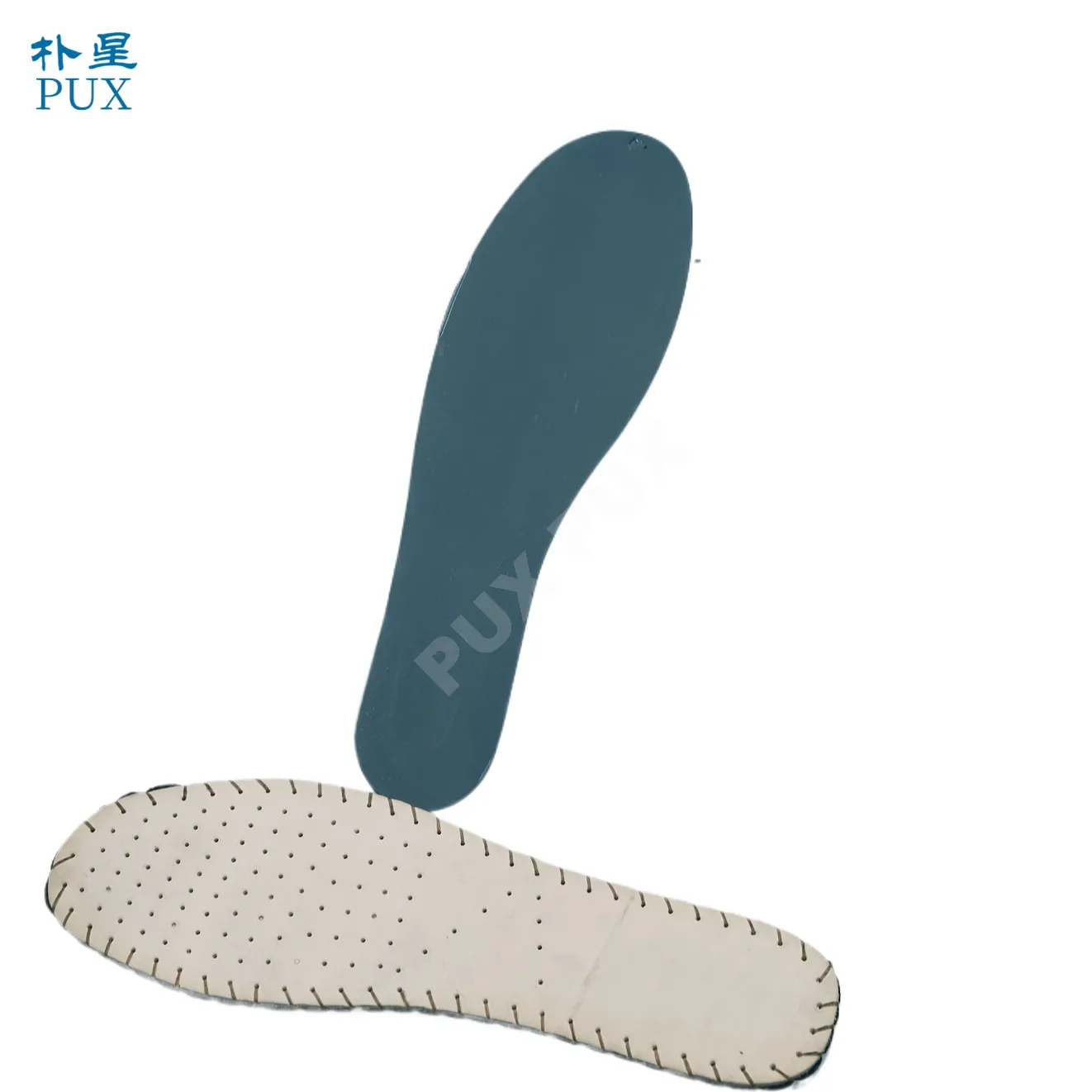
Stainless Steel Insole: What Pros Are Choosing for Real-World Protection
If you work around rebar, pallet nails, shattered glass, or scrap offcuts, you already know the score: one bad step can sideline a crew. That’s why I’m paying close attention to steel insoles coming out of Hebei, China—especially from East Zhaozhuang Village, Shahe Town, Xingtai. To be honest, I used to think textile puncture plates were “good enough.” Lately, the pendulum is swinging back to stainless when heat, chemicals, or rough sites push gear to the limit.
What’s changing in the industry
Three trends keep popping up: harsher jobsite conditions (hot works, caustics, recycling), stricter compliance audits, and longer replacement cycles. In fact, many safety managers tell me they’re consolidating SKUs around stainless plates because they hold shape in heat, shrug off acids/alkalis better, and—surprisingly—feel more predictable underfoot after break-in.
Technical snapshot and real-world specs
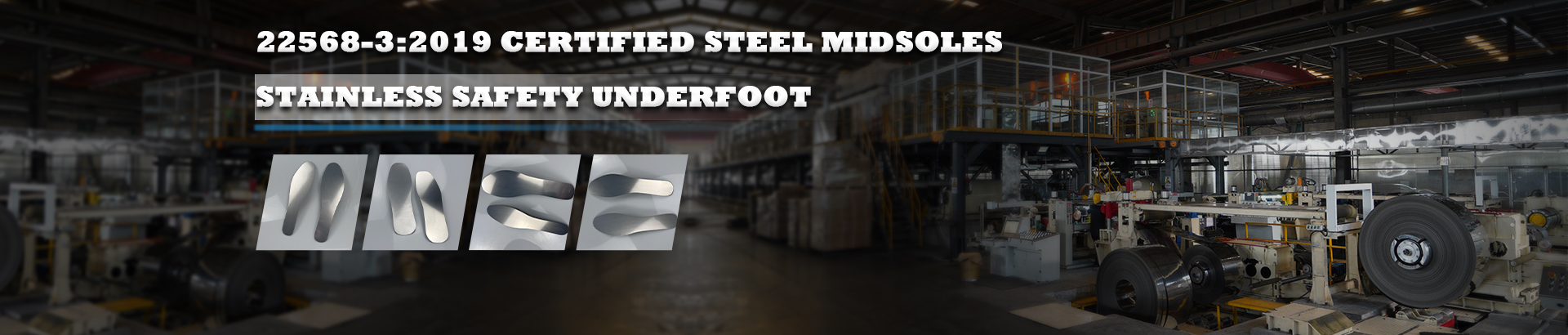
Puxing’s Stainless Steel Insole (the anti-puncture plate inside safety footwear) is engineered for EN, CSA, and JIS footwear standards. The surface is sprayed with an epoxy-resin matte powder to enhance adhesion, prevent rust, and blunt burrs that could telegraph through the footbed. It’s rated anti-static, zigzag resistant, and both high/low temperature tolerant—handy when you’re bouncing between winter slabs and welding bays.
| Parameter | Typical spec (≈ / around) |
|---|---|
| Thickness | ≈0.40–0.50 mm (real-world use may vary by size) |
| Bending life | ≥1,000,000 flex cycles without cracking |
| Puncture resistance | Meets EN ISO 20344 P-test ≥1100 N; typical lab values ≈1300–1500 N |
| Temperature tolerance | ≈ -40°C to 200°C intermittent |
| Coating | Epoxy resin matte powder, anti-corrosion |
| Anti-static | Designed to support antistatic footwear ranges per EN; verify shoe assembly |
Process flow (how it’s actually made)
- Material: high-strength stainless sheet (commonly austenitic grades), tight flatness control.
- Forming: precision stamping and edge deburring to avoid hot spots underfoot.
- Coating: epoxy matte spray + oven cure for adhesion and rust resistance.
- Testing: puncture force per EN ISO 20344; flex ≥1,000,000 cycles; visual defects, thickness tolerance, and conductivity checks.
- Service life: many crews report 18–36 months in typical industrial use; heavy demolition may shorten that.
Where they shine
Construction and demolition, recycling yards, glass and metal plants, logistics with broken pallets, utilities, emergency response, oil & gas sites, and anywhere chemical splash or heat is on the table. Many customers say the plates feel rigid for a week, then “disappear” in the boot once the footbed settles.
Compared with textiles, steel insoles hold shape under heat, resist acids/alkalis better, and don’t get sliced by sharp, narrow nails. And yes, they’re durable—the tough-love kind that outlasts a few pairs of uppers, if I’m honest.
Vendor comparison (what to look for)
| Item | Puxing (Hebei) | Generic import |
|---|---|---|
| Cert coverage | EN/CSA/JIS oriented | Often EN only |
| Thickness tolerance | Tight (≈±0.02 mm) | Variable |
| Flex life | ≥1,000,000 cycles | Unspecified |
| Customization lead time | ≈10–20 days | Longer/unclear |
| Warranty/support | Factory QC + batch traceability | Limited |
Customization
Size curves (EU/US), toe spring geometry, heel cup radius, pre-punched fixation points, private logo stamping, and packaging can be tailored. For antistatic footwear, confirm total shoe resistance after assembly—steel insoles are one piece of the system.
Quick case note
A northern China contractor refitted 400 pairs of site boots with stainless plates for a demolition phase. Over six months, HSE logs showed fewer nail-through incidents and fewer midsole “hot spots.” Workers mentioned better confidence on debris fields; one foreman joked he stopped scanning the ground every second. Not a lab study, but telling.
Compliance and standards
- EN ISO 20344/20345 footwear testing/performance (puncture ≥1100 N).
- CSA Z195 (protective footwear)—puncture resistance, toe, sole, and electrical properties.
- JIS T 8101—safety footwear for industrial use.
Bottom line: if you need consistent puncture defense with chemical and heat resilience, steel insoles are still the grown-up choice.
- EN ISO 20344/20345: Personal protective equipment—Safety footwear (latest editions).
- CSA Z195: Protective footwear—CSA Group, Canada.
- JIS T 8101: Leather safety shoes—Japanese Industrial Standards.
-
Reliable Earls Hose Clamps for Industrial Applications – Trusted by Experts
NewsDec.09,2025
-
High-Performance Ear Type Hose Clamps for Industrial Use | Puxing Clamp
NewsDec.09,2025
-
Durable Ear Style Hose Clamps | Industrial-Grade Reliability
NewsDec.09,2025
-
Ear Hose Clamps: Durable, Cost-Effective Solutions for Industrial Applications | Puxing Clamp
NewsDec.08,2025
-
Expert Guide to Ear Hose Clamp Removal Techniques and Tools
NewsDec.08,2025
-
Comprehensive Guide to Ear Hose Clamp Pliers: Global Applications & Advantages
NewsDec.08,2025
 English
  Afrikaans
  Albanian
  Amharic
  Arabic
  Armenian
  Azerbaijani
  Basque
  Belarusian
  Bengali
  Bosnian
  Bulgarian
  Catalan
  Cebuano
  Corsican
  Croatian
  Czech
Czech  Danish
  Dutch
Dutch  Esperanto
  Estonian
  Finnish
  French
  Frisian
  Galician
  Georgian
  German
  Greek
Greek  Gujarati
  Haitian Creole
  Hausa
Hausa  Hawaiian
  Hebrew
  Hindi
Hindi  Miao
Miao  Hungarian
  Icelandic
  Igbo
Igbo  Indonesian
  Irish
Irish  Italian
  Japanese
  Javanese
  Kannada
  Kazakh
  Khmer
Khmer  Rwandese
  Korean
  Kurdish
  Kyrgyz
  Lao
Lao  Latin
Latin  Latvian
  Lithuanian
  Luxembourgish
  Macedonian
  Malgashi
  Malay
Malay  Malayalam
  Maltese
  Maori
Maori  Marathi
  Mongolian
  Myanmar
  Nepali
  Norwegian
  Norwegian
  Occitan
  Pashto
  Persian
  Polish
  Portuguese
  Punjabi
  Romanian
  Russian
  Samoan
  Scottish Gaelic
  Serbian
  Sesotho
  Shona
Shona  Sindhi
  Sinhala
  Slovak
  Slovenian
  Somali
  Spanish
  Sundanese
  Swahili
  Swedish
  Tagalog
  Tajik
Tajik  Tamil
Tamil  Tatar
Tatar  Telugu
  Thai
Thai  Turkish
  Turkmen
  Ukrainian
  Urdu
Urdu  Uighur
  Uzbek
Uzbek  Vietnamese
  Welsh
Welsh  Bantu
Bantu  Yiddish
  Yoruba
  Zulu
Zulu