- Phone:+86-17331948172 +86-0319-8862898
- E-mail: inquiry@puxingclamp.com

Sep . 14, 2025 08:20 Back to list
Secure Stainless Steel Hose Clamps | Durable & Adjustable
Introduction to Advanced Hose Clamping Solutions
In critical industrial applications, the integrity of fluid transfer systems relies heavily on robust and reliable connection points. The stainless steel hose clamp stands as a cornerstone in ensuring leak-proof and secure connections across a multitude of sectors. Engineered for superior performance in demanding environments, these clamps are indispensable for maintaining operational efficiency and safety. This comprehensive guide delves into the technical intricacies, application versatility, and strategic advantages of modern stainless steel hose clamp technology, providing crucial insights for B2B decision-makers and technical professionals.
We will explore the meticulous manufacturing processes, adhere to stringent technical specifications, and examine real-world application scenarios where the reliability of stainless steel hose clamps is paramount. Furthermore, we will address key considerations for procurement, including vendor comparison and custom solutions, backed by data-driven insights and adherence to industry-leading standards.
Manufacturing Process of Stainless Steel Hose Clamps
The production of high-performance stainless steel hose clamps is a multi-stage process demanding precision engineering and stringent quality control. Starting from the selection of premium-grade raw materials, each step is critical to the final product's integrity and long-term reliability.
Key Materials and Their Properties
- 304 Stainless Steel: Widely used for its excellent corrosion resistance in general environments and good formability. Contains 18% chromium and 8% nickel.
- 316 Stainless Steel: Offers superior corrosion resistance, particularly against chlorides and other harsh chemicals, due to the addition of molybdenum. Ideal for marine, chemical, and petrochemical applications.
- 430 Stainless Steel: A ferritic stainless steel with good corrosion resistance in mild environments and excellent resistance to oxidation at high temperatures. Often used for less critical applications or where magnetic properties are required.
Detailed Manufacturing Steps
Process Flow Diagram for Stainless Steel Hose Clamp Production:
- 1. Material Selection & Coil Preparation: High-grade stainless steel coils (e.g., AISI 304, 316) are selected based on application requirements. Coils are precisely cut to width.
-
2. Stamping/Blanking: Precision progressive dies are used to stamp out the band, housing, and screw components from the coiled strip material. This ensures high dimensional accuracy and minimizes material waste.
(Technology: High-speed hydraulic or mechanical presses)
-
3. Thread Forming (for Worm Gear): The band edges are meticulously cold-formed to create the continuous thread profile (worm gear). This process enhances material strength and provides consistent engagement with the screw.
(Technology: Roll-forming machines, typically CNC controlled)
-
4. Screw Manufacturing: Screws are typically cold-forged from stainless steel wire, followed by thread rolling. This process yields high-strength fasteners with excellent fatigue resistance.
(Technology: Cold heading machines, thread rolling machines)
-
5. Deburring & Cleaning: All components undergo deburring to remove sharp edges and thorough cleaning to eliminate oils or residues, ensuring safe handling and optimal performance.
(Technology: Vibratory deburring, ultrasonic cleaning)
-
6. Assembly: The band, housing, and screw components are assembled, often with automated machinery for efficiency and consistency. The housing is typically crimped onto the band.
(Technology: Robotic assembly lines, semi-automated presses)
-
7. Quality Control & Testing: Each batch undergoes rigorous testing to ensure compliance with international standards (e.g., ISO 9001, SAE J1508 for automotive hose clamps stainless steel). Tests include torque strength, burst pressure, corrosion resistance (salt spray), and dimensional accuracy.
(Standards: ISO 9001, ASTM B117, SAE J1508)
- 8. Packaging & Dispatch: Finished clamps are packaged according to customer specifications, ready for distribution to global markets.
Service Life and Target Industries
The typical service life of a high-quality stainless steel hose clamp, when properly installed and maintained, can range from 10 to 25 years, depending on the specific environmental conditions and material grade (e.g., 316 SS in harsh marine environments). These clamps are vital across diverse industries:
- Petrochemical: For securing lines transporting fuels, chemicals, and gases where corrosion resistance and leak prevention are critical.
- Metallurgy: In cooling systems, hydraulic lines, and material transfer systems operating under high temperatures and potentially corrosive fumes.
- Water Supply & Drainage: Essential for leak-proof connections in municipal water infrastructure, wastewater treatment plants, and irrigation systems.
- Automotive: Used extensively for fuel lines, cooling systems, exhaust systems, and vacuum lines (e.g., automotive hose clamps stainless steel).
- Marine: In saltwater environments, requiring 316 stainless steel for superior resistance to chloride corrosion.
- Food & Beverage: For hygienic connections, often requiring polished surfaces and specific material certifications.
The inherent advantages, such as exceptional corrosion resistance and robust sealing capabilities, contribute to energy saving by preventing leaks and reducing system pressure losses.
Industry Trends and Technical Parameters
The market for stainless steel hose clamps is continually evolving, driven by demands for increased performance, durability, and ease of installation. Current trends include the development of wider band clamps for increased sealing surface, spring-loaded clamps for thermal expansion compensation, and advancements in quick-release mechanisms.
Key Technical Specifications
Understanding the technical parameters is crucial for selecting the appropriate stainless steel hose clamp for specific applications.
| Parameter | Description | Typical Range / Value |
|---|---|---|
| Material Grade | Band, Housing, Screw materials | 304 SS, 316 SS (Band, Housing, Screw); 430 SS (Band) |
| Size Range (Diameter) | Adjustable clamping range | 6mm to 300mm (e.g., 1 inch stainless steel hose clamps to 10 inch stainless steel hose clamps) |
| Band Width | Width of the clamping band | 8mm, 9mm, 12.7mm, 14.2mm, 16mm, 25mm |
| Band Thickness | Thickness of the clamping band | 0.6mm to 1.5mm |
| Installation Torque | Recommended tightening torque for optimal seal | 3.5 Nm to 15 Nm (depending on clamp type and size) |
| Working Pressure | Maximum internal pressure the clamped connection can withstand | Up to 20 bar (300 PSI) for standard worm gear clamps |
| Temperature Range | Operational temperature limits | -40°C to +150°C (Material dependent) |
| Compliance Standards | Relevant industry and quality standards | ISO 9001, DIN 3017, SAE J1508, ASTM B117 (Salt Spray) |
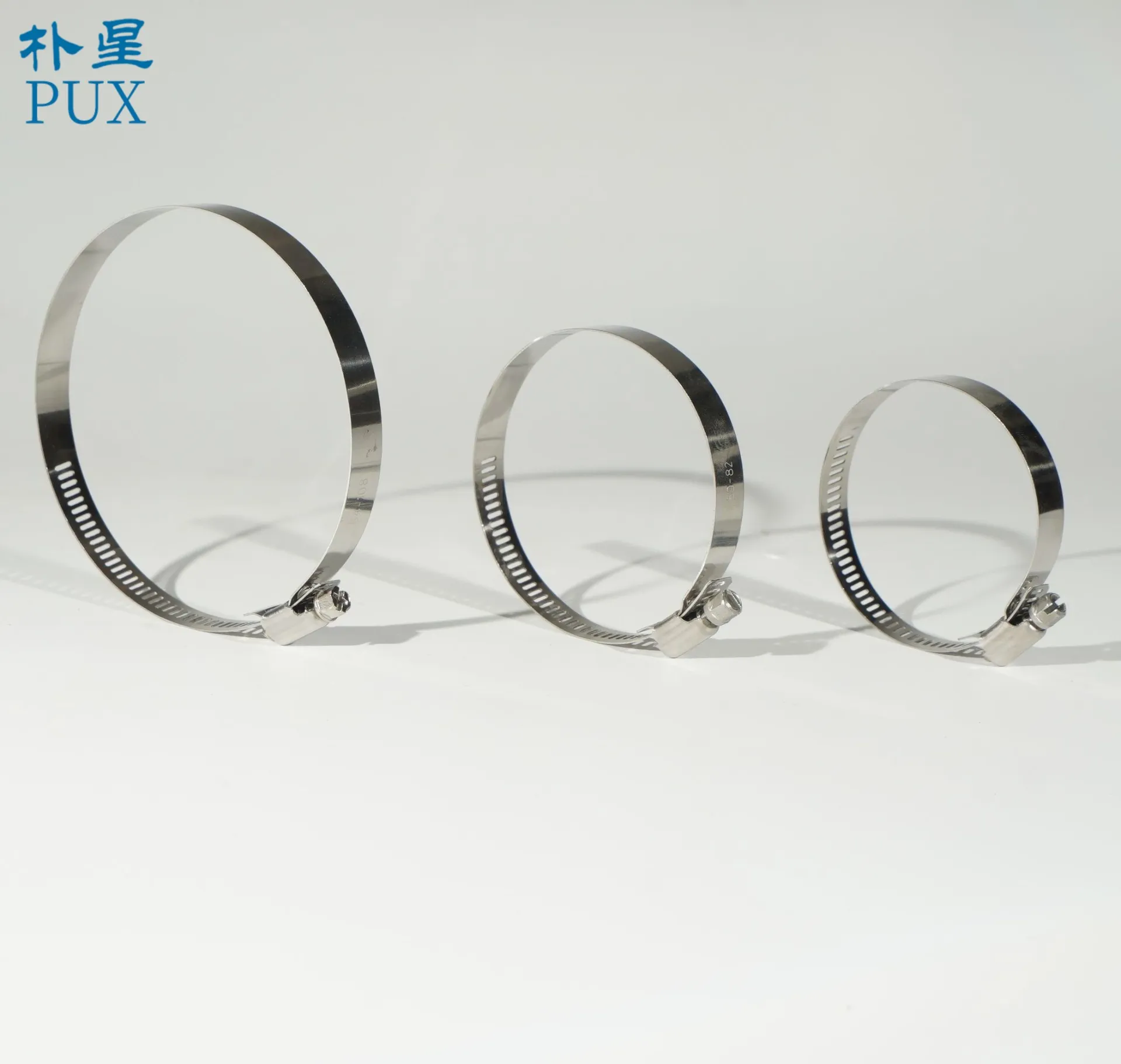
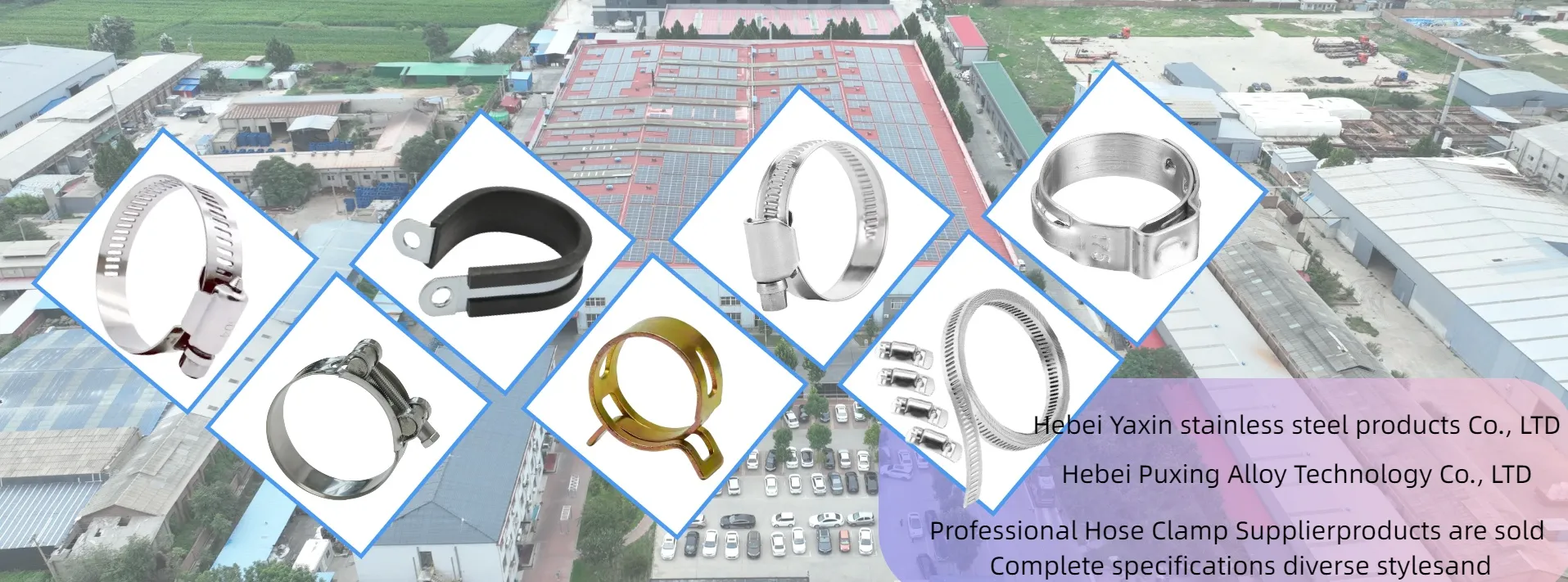
Figure 1: High-performance stainless steel hose clamp demonstrating robust design.
Application Scenarios and Technical Advantages
The versatility of stainless steel hose clamps is evident across a spectrum of demanding applications, where their technical advantages translate directly into operational benefits.
Diverse Application Scenarios
- Automotive Aftermarket & OEM: Securing radiator hoses, fuel lines, vacuum lines, and exhaust components, particularly where high temperatures or corrosive road salts are present (e.g., automotive hose clamps stainless steel variants).
- Industrial Fluid Transfer: Critical in petrochemical plants, water treatment facilities, and manufacturing lines for securing pipes and hoses carrying various media. For large diameter pipes, specialized 10 inch stainless steel hose clamps or even larger are used.
- HVAC Systems: Connecting flexible ducts and hoses in heating, ventilation, and air conditioning units, ensuring airtight seals for energy efficiency.
- Agricultural Equipment: Used on irrigation systems, hydraulic lines, and engine components of heavy machinery, where exposure to dirt, moisture, and chemicals is common.
- Marine and Offshore: In saltwater environments, 316-grade stainless steel clamps are essential for preventing corrosion in engine cooling systems, bilge pumps, and general plumbing.
Technical Advantages
- Superior Corrosion Resistance: Stainless steel, especially grades 304 and 316, offers excellent resistance to rust, oxidation, and chemical corrosion, significantly extending the service life of connections even in aggressive environments.
- High Strength and Durability: The inherent strength of stainless steel provides robust clamping force, resisting vibrations, pressure surges, and extreme temperatures without material degradation.
- Reliable Sealing Performance: Precision-engineered bands and worm gear mechanisms ensure uniform pressure distribution around the hose, creating a consistently tight and leak-proof seal. This prevents costly leaks and associated downtime, enhancing overall system efficiency and contributing to energy saving.
- Wide Temperature Range: Capable of performing reliably across a broad range of temperatures, from sub-zero conditions to high-heat applications, without compromising material integrity or clamping force.
- Versatility: Available in various designs, including worm gear, T-bolt, constant tension, and ear clamps, catering to diverse application requirements and hose types. Many are designed as adjustable stainless steel hose clamp models, offering flexibility.
- Reduced Maintenance: Due to their durability and corrosion resistance, these clamps require less frequent inspection and replacement, lowering long-term maintenance costs and operational disruptions.
Vendor Comparison and Customized Solutions
Choosing the right supplier for stainless steel hose clamps is as crucial as selecting the right product. Factors like quality assurance, customization capabilities, and after-sales support significantly impact project success.
Key Factors for Vendor Comparison
| Criterion | High-Quality Vendor (e.g., Puxing Clamp) | Standard Vendor |
|---|---|---|
| Material Quality | Certified 304/316 SS, traceable origins, consistent composition. | Mixed grades, potential for inferior alloys, less traceability. |
| Manufacturing Precision | CNC machining, cold-forming, consistent thread engagement, burr-free. | Less precise stamping, potential for burrs, inconsistent engagement. |
| Testing & Certifications | ISO 9001, SAE J1508, ASTM B117 salt spray, in-house tensile/torque testing. Full compliance. | Basic QC, limited certifications, self-declared standards. |
| Customization Options | Design modifications, specific material grades, proprietary coatings, private labeling, unique sizing (e.g., specific 1 inch stainless steel hose clamps or larger). | Limited to standard products, minimal design flexibility. |
| Lead Time & Fulfillment | Reliable lead times, efficient logistics, global distribution capabilities. | Inconsistent lead times, potential for delays, limited shipping options. |
| After-Sales Support | Technical assistance, warranty, easy returns/replacements, dedicated customer service. | Limited or no technical support, difficult warranty claims. |
Customized Solutions
Many industrial applications require more than off-the-shelf solutions. Leading manufacturers offer comprehensive customization services for stainless steel hose clamps, including:
- Specific Material Grades: Beyond 304 and 316, special alloys for extreme chemical resistance or temperature performance.
- Unique Dimensions: Custom band widths, thicknesses, or diameter ranges (e.g., an adjustable stainless steel hose clamp with an extra-wide band).
- Special Coatings: PTFE or other non-stick coatings for specific environments or anti-galling properties.
- Branding and Packaging: Private labeling, custom packaging, and assembly kits to streamline installation processes.
- Design Modifications: Incorporating quick-release mechanisms, extended tangs, or specialized screw heads to meet unique operational needs.
Partnering with a manufacturer capable of delivering these tailored solutions ensures optimal fit, performance, and compliance for critical infrastructure projects.
Application Case Studies
Real-world applications underscore the critical role and superior performance of quality stainless steel hose clamps.
Case Study 1: Offshore Oil Rig Hydraulic System
Challenge: An offshore oil rig experienced frequent failures in hydraulic hose connections due to severe saltwater corrosion and constant vibration, leading to costly downtime and safety concerns. Standard galvanized clamps had a service life of less than 6 months.
Solution: The rig operator transitioned to heavy-duty stainless steel hose clamps made entirely from 316-grade stainless steel. These clamps featured a rolled-edge band design to prevent hose damage and a robust T-bolt mechanism for superior clamping force and vibration resistance. Specialized sizes, including large diameter 10 inch stainless steel hose clamps, were deployed for critical main lines.
Outcome: After implementing the 316 SS clamps, the average service life of hose connections increased to over 5 years. This resulted in an 85% reduction in unscheduled maintenance, significantly improved operational safety, and an estimated annual savings of $250,000 in repair and replacement costs. Customer feedback highlighted the enhanced peace of mind and operational stability.
Case Study 2: Municipal Water Treatment Plant
Challenge: A large municipal water treatment plant faced persistent issues with PVC and rubber hose connections in its chemical dosing and filtration units. The chlorinated water and ozone exposure caused rapid degradation of zinc-plated clamps, leading to leaks and environmental compliance risks.
Solution: The plant upgraded all critical connections with high-grade stainless steel hose clamps, specifically selecting 304 SS for its excellent resistance to chlorinated compounds. An adjustable stainless steel hose clamp design was chosen for flexibility across various hose diameters, including smaller 1 inch stainless steel hose clamps for sampling lines.
Outcome: The adoption of stainless steel clamps virtually eliminated leaks related to clamp failure. The corrosion resistance ensured long-term integrity, supporting the plant’s environmental commitments and reducing water loss. This upgrade also led to a 30% reduction in labor hours previously dedicated to leak detection and repair, demonstrating clear efficiency gains and reliability.
Trust and Support: FAQ, Lead Times, and Warranty
Frequently Asked Questions (FAQ)
Q1: What is the difference between 304 and 316 stainless steel hose clamps?
A1: 316 stainless steel contains molybdenum, which significantly enhances its corrosion resistance, especially against chlorides and industrial solvents. 304 SS is suitable for general applications but 316 SS is preferred for marine, chemical, and highly corrosive environments.
Q2: How do I select the correct size of stainless steel hose clamp?
A2: Measure the outside diameter (OD) of your hose with the fitting inserted. Select a clamp whose stated clamping range encompasses this OD. For instance, if your OD is 25mm, choose a clamp with a range like 20-32mm. Ensure it's an adjustable stainless steel hose clamp for optimal flexibility.
Q3: Can automotive hose clamps stainless steel be reused?
A3: While some types of stainless steel worm gear clamps can be reused if they are undamaged and maintain their integrity, it is generally recommended to use new clamps for critical automotive applications to ensure optimal sealing and safety, especially after significant tightening torque has been applied.
Q4: What are the best practices for installing stainless steel hose clamps?
A4: Ensure the clamp is positioned correctly over the hose and fitting. Use a torque wrench to tighten to the manufacturer's recommended torque specification. Avoid overtightening, which can damage the hose or the clamp, and ensure the band is uniformly seated.
Lead Time and Fulfillment
Standard orders for common stainless steel hose clamps typically have a lead time of 3-7 business days, depending on order volume and specific product availability. For customized solutions or large-scale project orders, lead times are quoted on a case-by-case basis, generally ranging from 2-4 weeks after final design approval. We maintain robust inventory levels and efficient logistics networks to ensure timely delivery worldwide. Expedited shipping options are available upon request.
Warranty Commitments
All our stainless steel hose clamps are backed by a comprehensive 5-year limited warranty against manufacturing defects and material failures under normal operating conditions. This commitment reflects our confidence in the quality and durability of our products, ensuring peace of mind for our industrial clients. Specific warranty details are provided with each purchase order.
Customer Support and Technical Assistance
Our dedicated team of technical experts and customer service representatives is available to assist with product selection, installation guidance, troubleshooting, and any inquiries related to our stainless steel hose clamps. We offer pre-sale consultations, post-purchase support, and technical documentation to ensure optimal product integration and performance. Contact us via phone, email, or through our website for prompt and professional assistance.
Conclusion
The continuous evolution of stainless steel hose clamp technology underscores its vital role in maintaining the integrity and efficiency of fluid transfer systems across global industries. From the meticulous selection of high-grade stainless steel to advanced manufacturing techniques and rigorous quality control, every aspect contributes to a product that delivers unmatched corrosion resistance, superior clamping force, and exceptional longevity. By prioritizing material quality, manufacturing precision, and comprehensive support, businesses can leverage these advanced clamping solutions to enhance operational safety, reduce maintenance costs, and achieve long-term reliability in their most demanding applications.
References
- SAE International. (2018). SAE J1508: Hose Clamp Specifications. Warrendale, PA: SAE International.
- American Society for Testing and Materials. (2017). ASTM B117: Standard Practice for Operating Salt Spray (Fog) Apparatus. West Conshohocken, PA: ASTM International.
- International Organization for Standardization. (2015). ISO 9001: Quality management systems – Requirements. Geneva, Switzerland: ISO.
-
Reliable Earls Hose Clamps for Industrial Applications – Trusted by Experts
NewsDec.09,2025
-
High-Performance Ear Type Hose Clamps for Industrial Use | Puxing Clamp
NewsDec.09,2025
-
Durable Ear Style Hose Clamps | Industrial-Grade Reliability
NewsDec.09,2025
-
Ear Hose Clamps: Durable, Cost-Effective Solutions for Industrial Applications | Puxing Clamp
NewsDec.08,2025
-
Expert Guide to Ear Hose Clamp Removal Techniques and Tools
NewsDec.08,2025
-
Comprehensive Guide to Ear Hose Clamp Pliers: Global Applications & Advantages
NewsDec.08,2025
 English
  Afrikaans
  Albanian
  Amharic
  Arabic
  Armenian
  Azerbaijani
  Basque
  Belarusian
  Bengali
  Bosnian
  Bulgarian
  Catalan
  Cebuano
  Corsican
  Croatian
  Czech
Czech  Danish
  Dutch
Dutch  Esperanto
  Estonian
  Finnish
  French
  Frisian
  Galician
  Georgian
  German
  Greek
Greek  Gujarati
  Haitian Creole
  Hausa
Hausa  Hawaiian
  Hebrew
  Hindi
Hindi  Miao
Miao  Hungarian
  Icelandic
  Igbo
Igbo  Indonesian
  Irish
Irish  Italian
  Japanese
  Javanese
  Kannada
  Kazakh
  Khmer
Khmer  Rwandese
  Korean
  Kurdish
  Kyrgyz
  Lao
Lao  Latin
Latin  Latvian
  Lithuanian
  Luxembourgish
  Macedonian
  Malgashi
  Malay
Malay  Malayalam
  Maltese
  Maori
Maori  Marathi
  Mongolian
  Myanmar
  Nepali
  Norwegian
  Norwegian
  Occitan
  Pashto
  Persian
  Polish
  Portuguese
  Punjabi
  Romanian
  Russian
  Samoan
  Scottish Gaelic
  Serbian
  Sesotho
  Shona
Shona  Sindhi
  Sinhala
  Slovak
  Slovenian
  Somali
  Spanish
  Sundanese
  Swahili
  Swedish
  Tagalog
  Tajik
Tajik  Tamil
Tamil  Tatar
Tatar  Telugu
  Thai
Thai  Turkish
  Turkmen
  Ukrainian
  Urdu
Urdu  Uighur
  Uzbek
Uzbek  Vietnamese
  Welsh
Welsh  Bantu
Bantu  Yiddish
  Yoruba
  Zulu
Zulu