- Phone:+86-17331948172 +86-0319-8862898
- E-mail: inquiry@puxingclamp.com

Sep . 15, 2025 08:20 Back to list
High Quality Stainless Steel Strip Coil | Precision & Factory Direct
Understanding the Precision and Performance of stainless steel strip coil
In the realm of advanced industrial manufacturing, the demand for materials that offer exceptional durability, corrosion resistance, and precision engineering is paramount. The stainless steel strip coil stands as a cornerstone product, widely utilized across diverse high-tech sectors. From critical components in aerospace to robust solutions in chemical processing, its versatility and superior properties make it an indispensable choice for B2B decision-makers and engineers.
A leading stainless steel strip factory leverages cutting-edge technology and stringent quality control to produce these specialized coils, ensuring they meet the exacting requirements of various applications. This article delves into the intricate details of its manufacturing, technical specifications, diverse applications, and the strategic advantages it offers, aiming to provide a comprehensive resource for professionals seeking high-performance material solutions.
The ability to deliver high quality stainless steel strip roll material consistently is not merely about production volume, but about adherence to precision, metallurgical integrity, and bespoke solutions that cater to unique industrial demands. We will explore how suppliers distinguish themselves through customization, advanced material science, and unwavering commitment to engineering excellence.
Detailed Manufacturing Process Flow for Stainless Steel Strip Coils
The production of a stainless steel strip coil is a sophisticated multi-stage process, demanding meticulous control at each step to achieve the desired mechanical properties, dimensional accuracy, and surface finish. This elaborate journey transforms raw stainless steel into a precision-engineered material suitable for critical applications.
1. Raw Material Sourcing & Melting
High-purity stainless steel ingots or slabs (e.g., 304, 316L, 430, 201 grades) are selected based on end-use requirements. These are melted in electric arc furnaces or induction furnaces, followed by argon oxygen decarburization (AOD) or vacuum oxygen decarburization (VOD) to refine the alloy composition and remove impurities.
2. Hot Rolling
The steel slabs are heated and passed through a series of rollers at high temperatures (above recrystallization temperature). This reduces the thickness significantly and refines the grain structure. This initial shaping is crucial for subsequent processes.
3. Annealing & Pickling (Hot Rolled)
After hot rolling, the material undergoes annealing, a heat treatment process that softens the steel, relieves internal stresses, and improves ductility. This is followed by pickling, an acid bath treatment to remove scale and surface impurities formed during hot rolling, preparing the surface for cold rolling.
4. Cold Rolling
This is a critical stage where the strip's thickness is precisely reduced at room temperature, using multi-roll mills. Cold rolling significantly enhances mechanical properties like tensile strength and hardness, while achieving superior surface finish and tighter dimensional tolerances. This stage is key to producing precision stainless steel strip.
5. Intermediate Annealing & Pickling (if required)
For very thin gauges or specific property requirements, multiple cold rolling passes may be needed. Intermediate annealing and pickling steps are performed between these passes to restore ductility and remove work hardening.
6. Temper Rolling / Skin Pass
A final light cold rolling pass, known as temper rolling or skin pass, is applied to achieve specific mechanical properties, desired surface roughness (e.g., 2B, BA finish), and to improve flatness. This process is crucial for producing stainless spring steel strip where specific hardness is vital.
7. Slitting & Edge Trimming
The wide cold-rolled coils are precisely slit into narrower strips according to customer specifications. Edge trimming ensures clean, burr-free edges, critical for safety and further processing.
8. Surface Treatment & Final Inspection
Depending on the application, additional surface treatments like passivation (to enhance corrosion resistance by forming a passive chromium oxide layer) or polishing may be applied. Each stainless steel strip coil undergoes rigorous inspection, including visual, dimensional, and mechanical testing (e.g., tensile strength, hardness, elongation) to meet international standards like ISO, ASTM, and ANSI. Service life is projected based on material grade and intended application environment, often extending decades in suitable conditions.
9. Coiling & Packaging
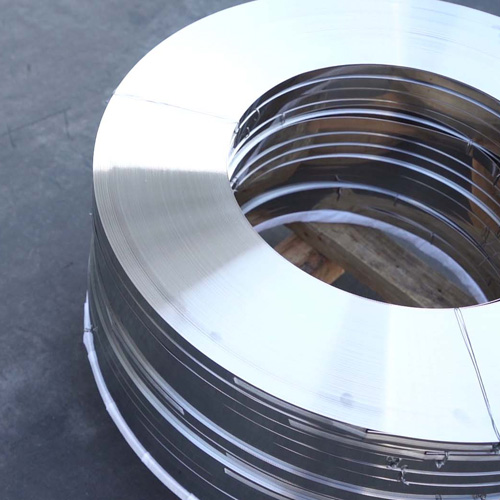
The finished strips are carefully coiled, weighed, labeled, and packaged, typically with protective wrapping and robust skids to prevent damage during transit. This ensures the integrity of the high quality stainless steel strip roll upon arrival.
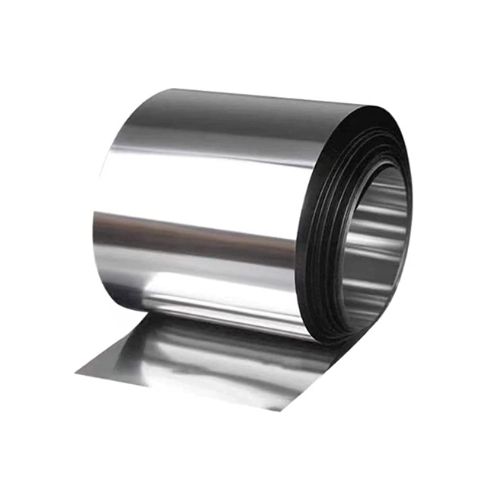
Target industries for these high-performance materials include petrochemical (for corrosive environments), metallurgy (for high-temperature applications), and water supply & drainage (for corrosion-resistant piping and components). Advantages in scenarios like energy saving (due to reduced maintenance needs from corrosion) and superior corrosion resistance are critical decision factors.
Industry Trends and Market Dynamics
The global market for stainless steel strip coil is continually evolving, driven by several key trends. Sustainability is a major force, with increasing emphasis on recyclable materials and energy-efficient production processes. Manufacturers are investing in advanced technologies to minimize waste and reduce the carbon footprint of their operations.
Another significant trend is the demand for lightweighting in industries such as automotive and aerospace, necessitating the development of higher strength-to-weight ratio stainless steel alloys. Advanced metallurgical techniques are leading to novel grades that offer enhanced performance without compromising formability.
Digital integration, often referred to as Industry 4.0, is transforming the stainless steel strip factory. Automated process control, real-time data analysis, and predictive maintenance are improving efficiency, reducing defects, and enabling more precise customization. This translates directly into higher quality and more reliable precision stainless steel strip products for end-users.
Furthermore, the growth in renewable energy sectors, particularly solar and wind power, is creating new applications for stainless steel, requiring materials that can withstand harsh environmental conditions with extended service life.
Technical Specifications and Material Data
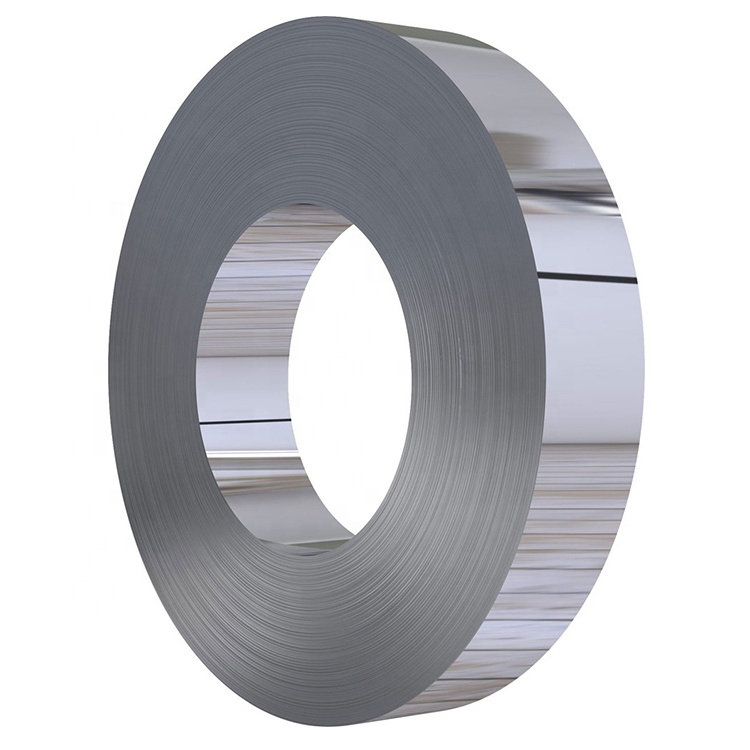
Selecting the correct stainless steel strip coil involves a detailed understanding of its technical specifications. These parameters dictate the suitability of the material for specific operational environments and design constraints. Below is a representative table outlining common specifications for popular stainless steel grades.
Typical Stainless Steel Strip Coil Specifications (ASTM A240/A666)
| Parameter | AISI 304 | AISI 316L | AISI 430 | AISI 201 |
|---|---|---|---|---|
| Composition (Cr, Ni, Mo, C %) | 18-20 Cr, 8-10.5 Ni, <0.08 C | 16-18 Cr, 10-14 Ni, 2-3 Mo, <0.03 C | 16-18 Cr, <0.75 Ni, <0.12 C | 16-18 Cr, 3.5-5.5 Ni, 5.5-7.5 Mn, <0.15 C |
| Tensile Strength (MPa) | 515 - 690 | 485 - 655 | 450 - 600 | 690 - 900 |
| Yield Strength (MPa) | 205 - 310 | 170 - 275 | 205 - 345 | 310 - 550 |
| Elongation (%) | 40 min | 40 min | 22 min | 35 min |
| Hardness (HRB) | <92 | <90 | <88 | <96 |
| Thickness Range (mm) | 0.05 - 3.0 | 0.05 - 3.0 | 0.1 - 3.0 | 0.1 - 2.5 |
| Width Range (mm) | 5 - 1250 | 5 - 1250 | 5 - 1250 | 5 - 1250 |
| Surface Finish Options | 2B, BA, No.4, HL, Mirror | 2B, BA, No.4, HL, Mirror | 2B, BA, No.4 | 2B, BA |
Note: Specifications can vary slightly based on specific manufacturing processes and international standards.
Comparative Analysis: 304 vs. 316L Stainless Steel for Strip Applications
| Feature | AISI 304 Stainless Steel | AISI 316L Stainless Steel |
|---|---|---|
| Corrosion Resistance | Good general corrosion resistance, especially to common atmospheric conditions and many chemicals. Susceptible to pitting corrosion in chloride-rich environments. | Superior corrosion resistance, particularly to chlorides and acids, due to Molybdenum content. Excellent for marine, chemical, and medical applications. |
| Cost Effectiveness | Generally more economical due to lower alloy content (no Molybdenum). | Higher cost due to the addition of Molybdenum, which enhances performance in aggressive environments. |
| Weldability | Excellent weldability, but can be susceptible to intergranular corrosion (weld decay) in thicker sections if not post-weld annealed or if carbon content is high. | Excellent weldability with reduced risk of intergranular corrosion due to its low carbon (L for Low Carbon) content, eliminating the need for post-weld annealing in most cases. |
| Applications | Food processing, kitchen equipment, architectural components, general industrial applications. | Medical implants, marine hardware, chemical and petrochemical equipment, pharmaceutical manufacturing, food processing in highly acidic environments. |
This comparison highlights that while 304 offers robust performance for many uses, 316L provides enhanced resistance in more demanding and corrosive settings, justifying its higher investment.
Versatile Application Scenarios
The adaptability of stainless steel strip coil allows its deployment across an impressively broad spectrum of industries and applications. Its combination of strength, aesthetics, and resistance properties makes it a material of choice for demanding environments.
- ✓ Automotive Industry: Used for trim, exhaust systems, fuel lines, catalytic converters, and various structural components where corrosion resistance and aesthetics are critical. Stainless spring steel strip is often used for resilient components.
- ✓ Medical Devices: For surgical instruments, implants, and pharmaceutical equipment due to its biocompatibility, ease of sterilization, and high corrosion resistance (especially 316L grade).
- ✓ Electronics & Precision Components: Ideal for connectors, sensors, casings, and heat shields in electronic devices, often requiring precision stainless steel strip with ultra-tight tolerances.
- ✓ Construction & Architecture: For curtain walls, roofing, interior finishes, and structural supports where durability, low maintenance, and aesthetic appeal are desired.
- ✓ Chemical and Petrochemical Processing: Linings for tanks, heat exchangers, and piping in environments exposed to aggressive chemicals, leveraging superior corrosion resistance.
- ✓ Food & Beverage Industry: For hygienic processing equipment, storage tanks, and conveyor belts, where ease of cleaning and resistance to food acids are crucial.
- ✓ Renewable Energy: Components for solar panel frames, wind turbine parts, and geothermal systems, where resistance to weathering and long-term durability are essential.
Technical Advantages and Performance Excellence
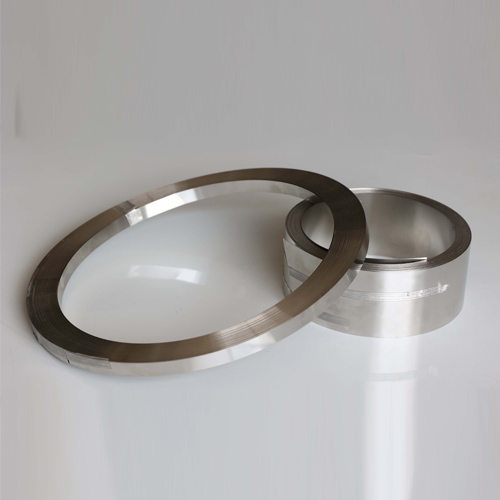
The inherent properties and advanced manufacturing of a stainless steel strip coil confer numerous technical advantages that make it an optimal choice for demanding industrial applications:
- ● Exceptional Corrosion Resistance: Stainless steels form a passive chromium oxide layer that self-repairs, providing excellent resistance to rust, staining, and various corrosive media, including acids, alkalis, and chlorides (especially 316L). This translates to prolonged service life and reduced maintenance.
- ● High Strength-to-Weight Ratio: Certain grades offer impressive strength characteristics, allowing for thinner gauges and lighter designs without compromising structural integrity, leading to material savings and improved energy efficiency in mobile applications. This is particularly relevant for stainless spring steel strip which requires specific elastic limits.
- ● Excellent Formability and Weldability: Modern manufacturing processes ensure that even high-strength stainless steel strips can be readily formed, deep-drawn, and welded, facilitating complex designs and efficient fabrication.
- ● Aesthetic Appeal: The range of available surface finishes (e.g., 2B, BA, No.4, Mirror) provides options for decorative and architectural applications, offering a clean, modern look that resists tarnishing.
- ● Temperature Resistance: Stainless steels maintain their strength and integrity over a wide range of temperatures, from cryogenic to elevated heat, making them suitable for diverse thermal environments.
- ● Hygiene and Cleanability: The non-porous surface of stainless steel inhibits bacterial growth, making it ideal for medical, food, and pharmaceutical industries where sanitation is critical.
These advantages underscore why industries consistently choose high quality stainless steel strip roll material for their most critical and challenging projects, where performance and reliability cannot be compromised.
Vendor Comparison and Customized Solutions
When sourcing stainless steel strip coil, distinguishing between suppliers is crucial. A reputable stainless steel strip factory differentiates itself not just by product quality but also by its commitment to customer service, technical expertise, and capacity for customization.
- ▶ Quality Certifications: Look for vendors with ISO 9001:2015 certification for quality management, alongside material-specific certifications like ASTM, JIS, EN, or FDA approvals for relevant applications. Our products consistently meet or exceed these international benchmarks, ensuring authoritative quality.
- ▶ Technical Support and R&D: Leading vendors offer robust technical support, material selection guidance, and possess an R&D department capable of developing specialized alloys or processing techniques for unique challenges, particularly for precision stainless steel strip.
- ▶ Customization Capabilities: The ability to provide tailored solutions in terms of specific dimensions (thickness, width), mechanical properties (e.g., customized hardness for stainless spring steel strip), surface finishes, or even custom alloy compositions is a significant advantage. This ensures the material perfectly aligns with project requirements.
- ▶ Experience and Track Record: Partnering with a company that boasts decades of experience and a portfolio of successful projects with major clients in diverse industries instills confidence in their capabilities and reliability.
We specialize in customized solutions, offering expert consultation to determine the optimal stainless steel grade, temper, and finish for your specific application. Our engineering team works closely with clients from design to delivery, ensuring that every high quality stainless steel strip roll meets exact specifications and performs flawlessly in its intended use. Our commitment to excellence has secured partnerships with leading manufacturers across the globe, providing consistent quality and reliability for critical projects.
Real-World Application Case Studies
To illustrate the practical impact and superior performance of stainless steel strip coil, consider the following case studies:
- Medical Device Manufacturer: A client producing minimally invasive surgical tools required a precision stainless steel strip of 316L grade with extremely tight thickness tolerances (±0.005mm) and a highly polished (BA finish) surface for optimal sterilizability and patient safety. Our ability to supply custom-slit coils that met these exacting standards enabled them to achieve superior component integration and pass stringent regulatory approvals. Customer feedback highlighted the consistent quality, which significantly reduced their rejection rates during manufacturing.
- Automotive Component Supplier: For a new generation of lightweight fuel injection systems, an automotive supplier needed a stainless spring steel strip that offered both high fatigue strength and exceptional corrosion resistance to biofuels. We provided a custom-tempered 301 grade with a specific tensile strength range, which, through rigorous testing, demonstrated extended service life compared to alternative materials, contributing to enhanced vehicle performance and reliability.
- Chemical Processing Plant Upgrade: A major chemical facility sought to replace worn components in its reactor vessels, which were exposed to highly corrosive acidic solutions. They opted for 316L high quality stainless steel strip roll material for internal linings and gaskets. The material's superior resistance to pitting and crevice corrosion, validated by extensive ASTM G48 testing data, ensured a significantly longer operational lifespan, leading to substantial cost savings from reduced downtime and maintenance.
Trust and Support: FAQ, Lead Time, Warranty & Customer Service
Frequently Asked Questions (FAQ)
Q: What is the typical lead time for a custom stainless steel strip coil order?
A: Standard orders for common grades and sizes typically have a lead time of 2-4 weeks. For highly customized specifications or large volumes, lead times can extend to 6-8 weeks, depending on material availability and production schedule. We communicate precise timelines upon order confirmation.
Q: What are your minimum order quantity (MOQ) requirements?
A: Our MOQ varies depending on the grade, thickness, and width. Generally, for standard sizes, MOQ can be as low as 500kg. For highly specialized or precision stainless steel strip, it may be higher. Please contact our sales team for specific details on your requirements.
Q: Can you provide material test certificates?
A: Absolutely. Every shipment comes with comprehensive Mill Test Certificates (MTCs), confirming chemical composition, mechanical properties, and compliance with relevant international standards (e.g., EN 10204 3.1 or 3.2). This ensures complete traceability and quality assurance for your high quality stainless steel strip roll.
Warranty and Quality Assurance
We stand by the quality of our products. All our stainless steel strip coil products are backed by a comprehensive 1-year warranty against manufacturing defects and material non-conformance to agreed specifications. Our quality management system is ISO 9001 certified, ensuring rigorous checks at every stage of production from raw material to finished product.
Dedicated Customer Support
Our commitment to our clients extends beyond delivery. We offer dedicated after-sales support, including technical assistance for material application, troubleshooting, and prompt handling of any quality concerns. Our experienced team is available via phone, email, or our online portal to ensure your operations run smoothly and efficiently. We pride ourselves on building long-term partnerships through consistent product quality and reliable service.
Authoritative References
- American Society for Testing and Materials (ASTM) Standards. ASTM A240/A240M, Standard Specification for Chromium and Chromium-Nickel Stainless Steel Plate, Sheet, and Strip for Pressure Vessels and for General Applications.
- International Organization for Standardization (ISO) Standards. ISO 9001:2015, Quality Management Systems – Requirements.
- Outokumpu Stainless Steel Handbook. Properties, Selection, Applications.
- ASM International. Desk Handbook: Mechanical Properties of Wrought and Cast Steels.
- National Association of Corrosion Engineers (NACE) International. Corrosion Engineering: Principles and Practice.
-
Reliable Earls Hose Clamps for Industrial Applications – Trusted by Experts
NewsDec.09,2025
-
High-Performance Ear Type Hose Clamps for Industrial Use | Puxing Clamp
NewsDec.09,2025
-
Durable Ear Style Hose Clamps | Industrial-Grade Reliability
NewsDec.09,2025
-
Ear Hose Clamps: Durable, Cost-Effective Solutions for Industrial Applications | Puxing Clamp
NewsDec.08,2025
-
Expert Guide to Ear Hose Clamp Removal Techniques and Tools
NewsDec.08,2025
-
Comprehensive Guide to Ear Hose Clamp Pliers: Global Applications & Advantages
NewsDec.08,2025
 English
  Afrikaans
  Albanian
  Amharic
  Arabic
  Armenian
  Azerbaijani
  Basque
  Belarusian
  Bengali
  Bosnian
  Bulgarian
  Catalan
  Cebuano
  Corsican
  Croatian
  Czech
Czech  Danish
  Dutch
Dutch  Esperanto
  Estonian
  Finnish
  French
  Frisian
  Galician
  Georgian
  German
  Greek
Greek  Gujarati
  Haitian Creole
  Hausa
Hausa  Hawaiian
  Hebrew
  Hindi
Hindi  Miao
Miao  Hungarian
  Icelandic
  Igbo
Igbo  Indonesian
  Irish
Irish  Italian
  Japanese
  Javanese
  Kannada
  Kazakh
  Khmer
Khmer  Rwandese
  Korean
  Kurdish
  Kyrgyz
  Lao
Lao  Latin
Latin  Latvian
  Lithuanian
  Luxembourgish
  Macedonian
  Malgashi
  Malay
Malay  Malayalam
  Maltese
  Maori
Maori  Marathi
  Mongolian
  Myanmar
  Nepali
  Norwegian
  Norwegian
  Occitan
  Pashto
  Persian
  Polish
  Portuguese
  Punjabi
  Romanian
  Russian
  Samoan
  Scottish Gaelic
  Serbian
  Sesotho
  Shona
Shona  Sindhi
  Sinhala
  Slovak
  Slovenian
  Somali
  Spanish
  Sundanese
  Swahili
  Swedish
  Tagalog
  Tajik
Tajik  Tamil
Tamil  Tatar
Tatar  Telugu
  Thai
Thai  Turkish
  Turkmen
  Ukrainian
  Urdu
Urdu  Uighur
  Uzbek
Uzbek  Vietnamese
  Welsh
Welsh  Bantu
Bantu  Yiddish
  Yoruba
  Zulu
Zulu