- Phone:+86-17331948172 +86-0319-8862898
- E-mail: inquiry@puxingclamp.com


Dec . 02, 2025 14:44 Back to list
Comprehensive Guide to AC Hose Clamps: Applications, Advantages & Innovations
Understanding AC Hose Clamps: Essential Components in Industrial and HVAC Systems
When most people think of “clamps,” they might imagine a simple tool keeping something in place for a quick fix. But ac hose clamps are far more than just household helpers — they’re critical, highly engineered parts that keep air conditioning, automotive, and industrial systems running smoothly across the globe. The humble hose clamp might seem small, but these components literally hold things together in some of the world’s most demanding environments.
Why does this matter globally? Simply put, air conditioning and fluid systems rely on leak-proof and secure connections to operate efficiently, save energy, and maintain safety. With global industrial output growing steadily (World Bank data reports nearly 3.8% annual growth in manufacturing output pre-pandemic), the demand for quality ac hose clamps is rising exponentially. Faulty clamps can interrupt supply chains, lead to equipment failure, or worse, cause hazardous leaks. So understanding the technology and nuances behind these clamps isn’t just for engineers — it’s relevant for businesses, policymakers, and even consumers who value reliability and sustainability.
Introduction: The Global Context of AC Hose Clamps
Air conditioning systems, automotive cooling, and industrial fluid handling have become ubiquitous from New York skyscrapers to remote mining towns in Australia. According to the International Energy Agency, buildings account for over 30% of global electricity use, much of which involves HVAC systems relying on fluid transport — and thus, hose clamps.
But here’s the catch — without proper sealing, AC units become energy hogs, leaking refrigerants that harm the environment. The ISO has set standards for clamp performance to ensure safety and durability, but in practice, many regions still cope with substandard parts due to cost pressures or supply chain limitations. This creates a real challenge: how to balance cost, reliability, and environmental responsibility in hose clamp manufacturing and deployment.
What Are AC Hose Clamps?
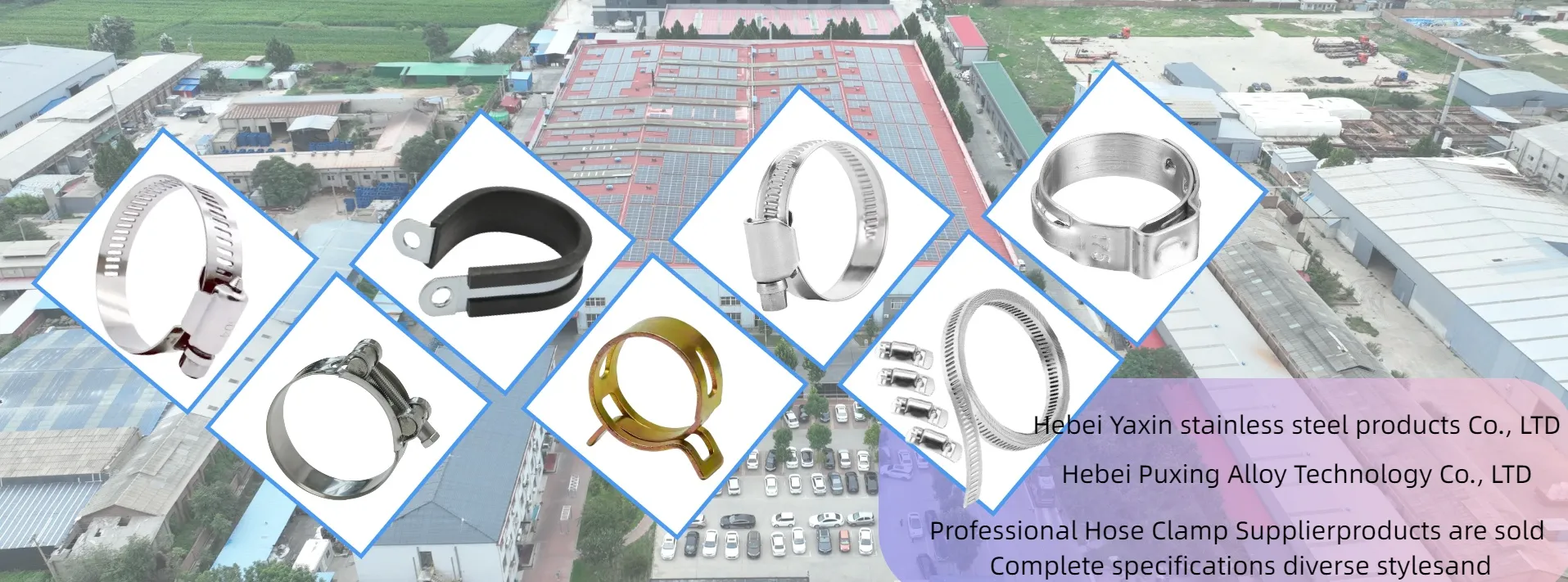
Simply put, ac hose clamps are mechanical devices designed to seal hoses onto fittings, preventing leakage in air conditioning (hence “AC”) or fluid systems. They usually feature a metal band, often stainless steel, encircling the hose with a tightening mechanism like a worm gear screw or spring action.
Think of them as the unsung guardians of HVAC and industrial systems, ensuring connections don’t loosen or corrode under pressure, temperature changes, or vibration. Without dependable clamps, coolant or refrigerant might leak, leading to energy losses, system downtimes, or environmental hazards.
Key Factors of AC Hose Clamps
Durability
These clamps must endure varied weather conditions, temperature fluctuations, and chemical exposure. Stainless steel is preferred due to its excellent corrosion resistance. For instance, in coastal or outdoor installations, a low-grade clamp quickly succumbs to rust, compromising tightness.
Scalability and Size Variations
AC systems range from tiny automotive applications to large industrial chillers. Clamps come in many sizes — from small- diameter worm gear clamps perfect for compact hoses, to robust T-bolt clamps used in heavy-duty systems.
Ease of Installation and Reusability
Right off the bat, workers need clamps that are easy to install with standard tools but also can be removed for maintenance without damaging hoses. This cuts down downtime and labor costs while increasing sustainability by enabling reuse.
Cost Efficiency
Quality clamps are often seen as an upfront expense, but their longevity and reduced maintenance make them cost-effective over the lifecycle of a system. Cheap alternatives quickly lead to costly leaks and replacements.
Product Specifications of Typical AC Hose Clamps
| Specification | Detail |
|---|---|
| Material | Stainless steel 304 or 316 |
| Band Width | 9 - 12 mm (varies by model) |
| Diameter Range | 8 mm to 100 mm (or larger) |
| Torque Range | 2 to 5 Nm, depending on clamp type |
| Common Types | Worm gear, spring, T-bolt |
Global Applications & Use Cases
- HVAC Systems: Commercial and residential air conditioning demand reliable clamps to maintain sealed refrigerant lines, enhancing energy efficiency and reducing environmental impact.
- Automotive Industry: Engine cooling systems rely on hose clamps to withstand vibration and thermal cycles. Many automotive engineers insist on premium clamps for long-term durability.
- Industrial Fluid Transport: Plants using hydraulic systems or chemical transport employ heavy-duty clamps that resist chemical corrosion — the right clamp prevents leaks that could cause safety issues or downtime.
- Disaster Relief and Humanitarian Projects: In rapid-deployment shelters and portable cooling units, dependable hose clamps ensure critical systems remain operational, improving living conditions in challenging environments.
For example, in Southeast Asia’s tropical climates, where high humidity and storms are common, robust stainless clamps are vital for HVAC systems in hospitals and schools to remain functional year-round.
Advantages & Long-Term Value
Using qualified ac hose clamps translates into:
- Reliability: A good clamp maintains tight seals, preventing leaks that lead to costly repairs or system failure.
- Energy Efficiency: Proper sealing means air conditioning units don't waste energy, which is crucial as global energy demands rise.
- Environmental Safety: Preventing refrigerant leaks reduces greenhouse gas emissions, helping industries comply with stricter environmental regulations (like the Kigali Amendment to the Montreal Protocol).
- Safety & Dignity: In healthcare and residential settings, safe HVAC operation underpins comfort and well-being — things we often take for granted.
Vendor Comparison: Popular AC Hose Clamp Manufacturers
| Vendor | Materials Used | Range of Sizes | Price Level | Custom Solutions |
|---|---|---|---|---|
| Puxing Clamp | SS 304, SS 316 | 8–100 mm | Mid-High | Yes |
| Vendor A | SS 304 only | 10–90 mm | Medium | Limited |
| Vendor B | Aluminum Alloy | 15–80 mm | Low | No |
Future Trends & Innovations
Here’s where it gets interesting: the industry is evolving with innovations towards sustainability and smart technology. Researchers are experimenting with corrosion-resistant composite materials to reduce weight and environmental impact. In addition, digital torque tools now allow technicians to tighten clamps precisely, avoiding over or under-tightening that compromises seals.
Sustainability trends are pushing manufacturers to enhance recyclability and reduce toxic coatings. Automation in production lines is improving consistency and quality, while AI-driven quality inspections spot defects early in manufacturing.
Challenges & Solutions in the AC Hose Clamp Sector
Common issues tend to revolve around inconsistent quality, especially in low-cost imports, and improper fit causing leaks or damage. Experts recommend rigorous compliance with ISO 9001 quality management and using torque tools during installation to ensure the best outcome. Another ongoing challenge is balancing cost versus durability — investing upfront in quality clamps obviously costs more initially but pays off in longevity.
FAQ: Common Questions About AC Hose Clamps
- What size hose clamp do I need for my AC system?
Sizing depends on hose diameter. It’s best to measure the outer diameter of your hose snugly and select a clamp with an adjustable range covering that size for a perfect seal. - Are stainless steel clamps necessary for all applications?
Not always, but stainless steel is highly recommended for outdoor or corrosive environments because it resists rust better than zinc-plated steel or aluminum. - Can hose clamps be reused after removal?
Many worm gear clamps can be reused if they’re not damaged or excessively stretched. Spring clamps are also reusable and offer consistent tension. - Where can I buy high-quality ac hose clamps?
Trusted manufacturers like Puxing Clamp offer certified products with customization options, ensuring reliability for critical applications.
Conclusion
AC hose clamps might not be the flashiest part of HVAC or industrial systems — but their role is absolutely vital. They ensure system integrity, energy efficiency, and environmental compliance, with benefits that ripple across global industries and communities. Whether you’re designing state-of-the-art cooling systems or maintaining legacy equipment in a remote plant, choosing the right clamp is central to success. To explore reliable, quality options, you’re welcome to visit our website and discover how the right clamp can make all the difference.
Oddly enough, a part so small can have such outsized impact! Keep that in mind next time you’re admiring a smooth running AC unit or an efficient industrial facility.
References:
-
Reliable Earls Hose Clamps for Industrial Applications – Trusted by Experts
NewsDec.09,2025
-
High-Performance Ear Type Hose Clamps for Industrial Use | Puxing Clamp
NewsDec.09,2025
-
Durable Ear Style Hose Clamps | Industrial-Grade Reliability
NewsDec.09,2025
-
Ear Hose Clamps: Durable, Cost-Effective Solutions for Industrial Applications | Puxing Clamp
NewsDec.08,2025
-
Expert Guide to Ear Hose Clamp Removal Techniques and Tools
NewsDec.08,2025
-
Comprehensive Guide to Ear Hose Clamp Pliers: Global Applications & Advantages
NewsDec.08,2025
 English
  Afrikaans
  Albanian
  Amharic
  Arabic
  Armenian
  Azerbaijani
  Basque
  Belarusian
  Bengali
  Bosnian
  Bulgarian
  Catalan
  Cebuano
  Corsican
  Croatian
  Czech
Czech  Danish
  Dutch
Dutch  Esperanto
  Estonian
  Finnish
  French
  Frisian
  Galician
  Georgian
  German
  Greek
Greek  Gujarati
  Haitian Creole
  Hausa
Hausa  Hawaiian
  Hebrew
  Hindi
Hindi  Miao
Miao  Hungarian
  Icelandic
  Igbo
Igbo  Indonesian
  Irish
Irish  Italian
  Japanese
  Javanese
  Kannada
  Kazakh
  Khmer
Khmer  Rwandese
  Korean
  Kurdish
  Kyrgyz
  Lao
Lao  Latin
Latin  Latvian
  Lithuanian
  Luxembourgish
  Macedonian
  Malgashi
  Malay
Malay  Malayalam
  Maltese
  Maori
Maori  Marathi
  Mongolian
  Myanmar
  Nepali
  Norwegian
  Norwegian
  Occitan
  Pashto
  Persian
  Polish
  Portuguese
  Punjabi
  Romanian
  Russian
  Samoan
  Scottish Gaelic
  Serbian
  Sesotho
  Shona
Shona  Sindhi
  Sinhala
  Slovak
  Slovenian
  Somali
  Spanish
  Sundanese
  Swahili
  Swedish
  Tagalog
  Tajik
Tajik  Tamil
Tamil  Tatar
Tatar  Telugu
  Thai
Thai  Turkish
  Turkmen
  Ukrainian
  Urdu
Urdu  Uighur
  Uzbek
Uzbek  Vietnamese
  Welsh
Welsh  Bantu
Bantu  Yiddish
  Yoruba
  Zulu
Zulu