- Phone:+86-17331948172 +86-0319-8862898
- E-mail: inquiry@puxingclamp.com

Nov . 27, 2025 13:25 Back to list
Durable and Versatile 44mm Stainless Steel Band – Global Industrial Fastening Solution
Understanding the Significance of the 44mm Stainless Steel Band
Ever paused and wondered how something as simple as a 44mm stainless steel band quietly powers so many industrial processes and humanitarian efforts worldwide? It’s one of those unassuming but critically important products that, frankly, doesn’t get its due spotlight. But when you start piecing together global supply chains, disaster response operations, or even everyday manufacturing, its role becomes crystal clear.
This specific band size, 44 millimeters wide, boasts an excellent blend of strength, durability, and adaptability, making it a favorite for countless applications where reliability is non-negotiable. And with stainless steel's corrosion resistance, the 44mm band can weather harsh environments without fuss—crucial both in industries battling the elements and in life-saving emergency setups.
Understanding this product’s value not only helps engineers and project managers pick the right tools but also helps investors, procurement specialists, and even policymakers appreciate why a seemingly simple strap can mean the difference between success and costly failure.
In short: these stainless steel bands aren’t just strips of metal—they’re a lifeline across sectors.
The Global Landscape: Why the 44mm Stainless Steel Band Matters Today
We live in a world driven by logistics, manufacturing, and rapid deployment of materials. According to the International Organization for Standardization (ISO), the demand for durable fastening and strapping products has surged about 15% in the last five years—thanks largely to accelerated urban construction and growing e-commerce. Stainless steel bands, particularly the 44mm stainless steel band, have emerged as a staple in sectors needing secure bundling solutions.
However, the global challenge often lies in environmental factors. Harsh weather, corrosive chemicals, or the stress of heavy goods pose threats that lesser materials fail to meet. This becomes even more pronounced in areas with extreme climates, like Arctic installations or coastal infrastructure projects. In essence, the 44mm stainless steel band addresses the urgent need for robust, long-lasting strapping that doesn't compromise safety or integrity.
Plus, for humanitarian organizations operating in post-disaster zones—think earthquakes or floods—the ability to quickly bundle resources with corrosion-resistant bands is vital. The last thing they need is rusted or broken straps delaying aid delivery.
Mini Takeaway:
- The 44mm stainless steel band meets rising global demands for durability in fastening solutions.
- Its corrosion resistance positions it as a go-to in extreme industrial and emergency environments.
What Exactly Is a 44mm Stainless Steel Band?
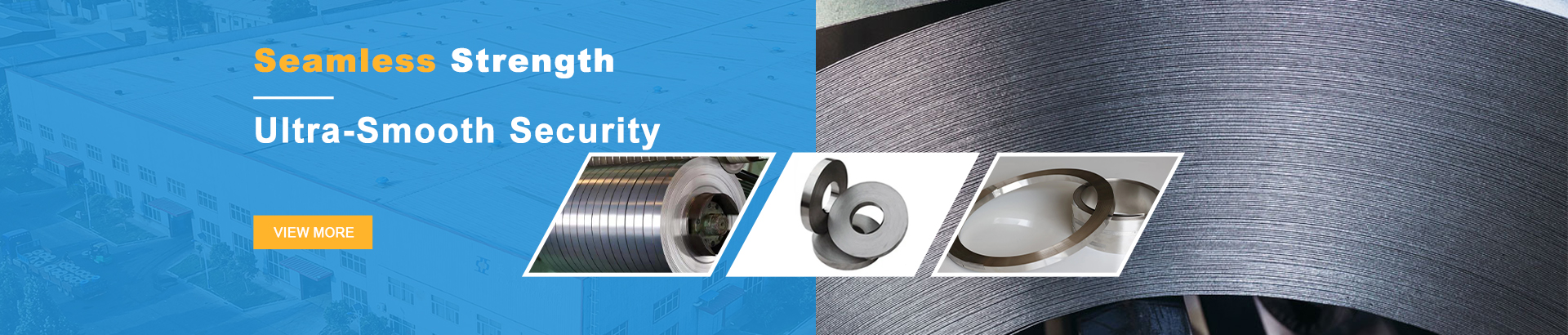
Simply put, a 44mm stainless steel band is a stainless steel strip, 44 millimeters wide, used primarily for strapping, bundling, or securing items. Usually produced from high-grade stainless steel—like type 304 or 316—it resists rust and mechanical wear exceptionally well.
But this product isn’t just a strip; it’s engineered to balance tensile strength and flexibility. That means it can snugly secure heavy loads without snapping or deforming. Its 44mm width is quite popular because it’s wide enough to distribute tension evenly yet narrow enough to fit into standard tensioning tools and clamps.
Industries rely on it to reinforce packaging, secure pipelines, or even stabilize heavy equipment during transport. In humanitarian aid, it’s embraced for its ease of use and dependability, often employed in temporary shelters, solar panel installations, and water distribution systems.
Mini Takeaway:
- The 44mm stainless steel band combines strength, corrosion resistance, and suitable width for versatile industrial uses.
- It’s a direct response to demands for reliable fastening in harsh conditions.
Core Components & Key Features of the 44mm Stainless Steel Band
1. Durability
The backbone of a trusty stainless steel band is how well it withstands environmental assaults. The 44mm variant often employs stainless steel grades that provide excellent resistance against rust, oxidation, UV exposure, and even chemical spills—a no-brainer for long-haul transportation or marine applications.
2. Tensile Strength
This band’s tensile strength typically ranges from 750 to 1000 Newtons, depending on the grade. That translates into the ability to sustain substantial loads without snapping, ensuring transported goods or bundled materials stay secure.
3. Cost Efficiency
While stainless steel might sound pricey, the longevity and reduced maintenance drastically lower total lifecycle costs. Companies often find themselves saving money because replacements and failed strapping lead to downtime and lost goods.
4. Compatibility
A 44mm stainless steel band slots neatly into a broad ecosystem of tools and sealing mechanisms, enabling easy customization across industries.
5. Environmental Resistance
Given global emphasis on sustainable solutions, 44mm stainless steel bands excel due to their recyclable nature and low environmental footprint when maintained properly.
6. Versatility
Its size and strength make it suitable for everything from securing construction scaffolding to bundling cables in remote industrial zones.
Mini Takeaway:
- High durability and tensile strength assure long-lasting, secure fastening.
- Its eco-friendly and cost-effective nature adds to sustainability goals.
44mm Stainless Steel Band in Action Around the World
You might think these bands are mundane, but across continents and industries, they’ve quietly become essential. For example, in post-disaster relief operations in Southeast Asia, aid groups use 44mm stainless steel bands to quickly tie down shipping containers filled with emergency supplies, ensuring they withstand monsoon winds and floods during transport. Meanwhile, in remote mining operations in Australia, the same bands secure heavy machinery and electrical cables exposed to abrasive dust and salty air.
Similarly, maritime shipping hubs in Rotterdam and Singapore leverage these bands extensively for cargo bundling, ensuring global supply chains stay robust. Even in solar farm installations in Southern California, stainless steel bands of 44mm width fasten solar panels securely to frames, resisting corrosion from salty air.
These are just snippets illustrating how the 44mm stainless steel band serves diverse crucial needs worldwide.
Mini Takeaway:
- Its utilization spans humanitarian aid, heavy industry, maritime logistics, and renewable energy sectors.
- Durability in tough environments remains its defining advantage.
Specifications: What to Expect from a Typical 44mm Stainless Steel Band
| Specification | Details |
|---|---|
| Width | 44mm |
| Thickness | 0.5mm – 0.7mm |
| Material Grade | Type 304 / Type 316 Stainless Steel |
| Tensile Strength | Approx. 750-1000 N/mm² |
| Corrosion Resistance | Excellent (up to marine grade) |
| Packaging | Coiled in 50m or 100m rolls |
Comparing Leading Vendors of 44mm Stainless Steel Bands
| Vendor | Grade Options | Price Range (per roll) | Custom Sizes | Global Shipping |
|---|---|---|---|---|
| Puxing Clamp | 304, 316 | $150 - $220 | Yes | Worldwide |
| SteelStrap Co. | 304 | $140 - $200 | Limited | Europe & Asia |
| GlobalBand | 316 | $180 - $250 | Yes | North America & Africa |
Why Invest in a 44mm Stainless Steel Band? The Long-Term Benefits
The tangible benefits are easier to list than to sum up—because beyond raw numbers, there’s an undeniable peace of mind that comes with using a product that won’t fail when it matters most. Logically, it means fewer delays, less loss, and lower maintenance costs. Emotionally, it means safer workplaces and more reliable operations.
Many companies report that switching from plastic or thinner steel to a robust 44mm stainless steel band reduced breakages by over 40%, translating directly into less downtime. From a sustainability standpoint, less waste equals lower environmental impact.
Then there’s the social dimension: in humanitarian contexts particularly, it’s not just about strength but dignity—knowing supplies will arrive intact to those who desperately need them.
Mini Takeaway:
- Long-term cost savings through durability and fewer replacements.
- Sustainability through recyclability and reduced waste.
- Enhanced safety and social trust across industries.
Looking Forward: Innovations and Trends in Stainless Steel Band Technology
Innovation never rests. In the stainless steel band world, there’s growing focus on coatings that further raise corrosion resistance without sacrificing recyclability. Also, embedding digital sensor tags into bands to monitor tension or environmental exposure is gaining traction.
The integration of automation tools to speed up band application—especially in high-volume warehouses—also signals the future direction. Plus, as green manufacturing standards tighten, players like 44mm stainless steel band vendors increasingly emphasize eco-friendly production and supply chain transparency.
Challenges That Still Loom and How the Industry is Tackling Them
No product is perfect, and despite its reputation, the 44mm stainless steel band faces challenges. For example, in extremely corrosive environments, even marine-grade steel can slowly deteriorate over years. Costs remain higher than plastic alternatives, causing budget constraints in some sectors.
Experts recommend matching the band grade precisely to the environment and considering hybrid solutions combining stainless steel with protective polymer layers. Meanwhile, emerging recycling schemes are helping reduce the overall carbon footprint.
Frequently Asked Questions About 44mm Stainless Steel Bands
Q1: What makes a 44mm stainless steel band better than narrower strips?
A 44mm width offers a balanced mix of strength and flexibility, allowing it to carry heavier loads evenly and reducing the risk of cut-through or deformation. Narrower bands may be easier to handle but often lack comparable tensile strength, making the 44mm ideal for more demanding jobs.
Q2: Can these bands be used in marine environments?
Absolutely. When made from type 316 stainless steel, these bands resist saltwater corrosion effectively, making them suitable for marine shipping, offshore installations, and coastal infrastructure projects.
Q3: How do I choose the right stainless steel grade?
Consider the environment and application load. Type 304 typically suffices for indoor or mild outdoor uses, while type 316 is preferred for harsh, corrosive situations. Consulting with vendors to get product specs aligned with your needs is a smart move.
Q4: Are 44mm stainless steel bands recyclable?
Yes, stainless steel is one of the most recyclable materials, maintaining quality even after multiple recycling processes. This helps reduce environmental impact compared to plastic or coated metal bands.
Wrapping Up: Why the 44mm Stainless Steel Band Deserves Your Attention
In real terms, the 44mm stainless steel band is more than just a fastening tool; it’s a testament to industrial reliability and sustainable practice. Its durability, versatility, and global applicability make it a critical companion in everything from complex supply chains to urgent humanitarian missions.
If you want to ensure your operations—and your conscience—stay intact, it’s worth looking into what these bands can really deliver. Interested in checking out the latest offerings? Visit our website: Puxing Clamp and explore your options today.
References:
- International Organization for Standardization (ISO) – Standards and Trends in Industrial Materials
- Wikipedia - Stainless Steel
- United Nations - Environment and Sustainable Development
-
Reliable Earls Hose Clamps for Industrial Applications – Trusted by Experts
NewsDec.09,2025
-
High-Performance Ear Type Hose Clamps for Industrial Use | Puxing Clamp
NewsDec.09,2025
-
Durable Ear Style Hose Clamps | Industrial-Grade Reliability
NewsDec.09,2025
-
Ear Hose Clamps: Durable, Cost-Effective Solutions for Industrial Applications | Puxing Clamp
NewsDec.08,2025
-
Expert Guide to Ear Hose Clamp Removal Techniques and Tools
NewsDec.08,2025
-
Comprehensive Guide to Ear Hose Clamp Pliers: Global Applications & Advantages
NewsDec.08,2025
 English
  Afrikaans
  Albanian
  Amharic
  Arabic
  Armenian
  Azerbaijani
  Basque
  Belarusian
  Bengali
  Bosnian
  Bulgarian
  Catalan
  Cebuano
  Corsican
  Croatian
  Czech
Czech  Danish
  Dutch
Dutch  Esperanto
  Estonian
  Finnish
  French
  Frisian
  Galician
  Georgian
  German
  Greek
Greek  Gujarati
  Haitian Creole
  Hausa
Hausa  Hawaiian
  Hebrew
  Hindi
Hindi  Miao
Miao  Hungarian
  Icelandic
  Igbo
Igbo  Indonesian
  Irish
Irish  Italian
  Japanese
  Javanese
  Kannada
  Kazakh
  Khmer
Khmer  Rwandese
  Korean
  Kurdish
  Kyrgyz
  Lao
Lao  Latin
Latin  Latvian
  Lithuanian
  Luxembourgish
  Macedonian
  Malgashi
  Malay
Malay  Malayalam
  Maltese
  Maori
Maori  Marathi
  Mongolian
  Myanmar
  Nepali
  Norwegian
  Norwegian
  Occitan
  Pashto
  Persian
  Polish
  Portuguese
  Punjabi
  Romanian
  Russian
  Samoan
  Scottish Gaelic
  Serbian
  Sesotho
  Shona
Shona  Sindhi
  Sinhala
  Slovak
  Slovenian
  Somali
  Spanish
  Sundanese
  Swahili
  Swedish
  Tagalog
  Tajik
Tajik  Tamil
Tamil  Tatar
Tatar  Telugu
  Thai
Thai  Turkish
  Turkmen
  Ukrainian
  Urdu
Urdu  Uighur
  Uzbek
Uzbek  Vietnamese
  Welsh
Welsh  Bantu
Bantu  Yiddish
  Yoruba
  Zulu
Zulu