- Phone:+86-17331948172 +86-0319-8862898
- E-mail: inquiry@puxingclamp.com

Oct . 16, 2025 14:40 Back to list
316L Stainless Steel Strip | Corrosion-Resistant, Custom Cut
What buyers are really asking about 316L stainless strip (and what the lab data says)
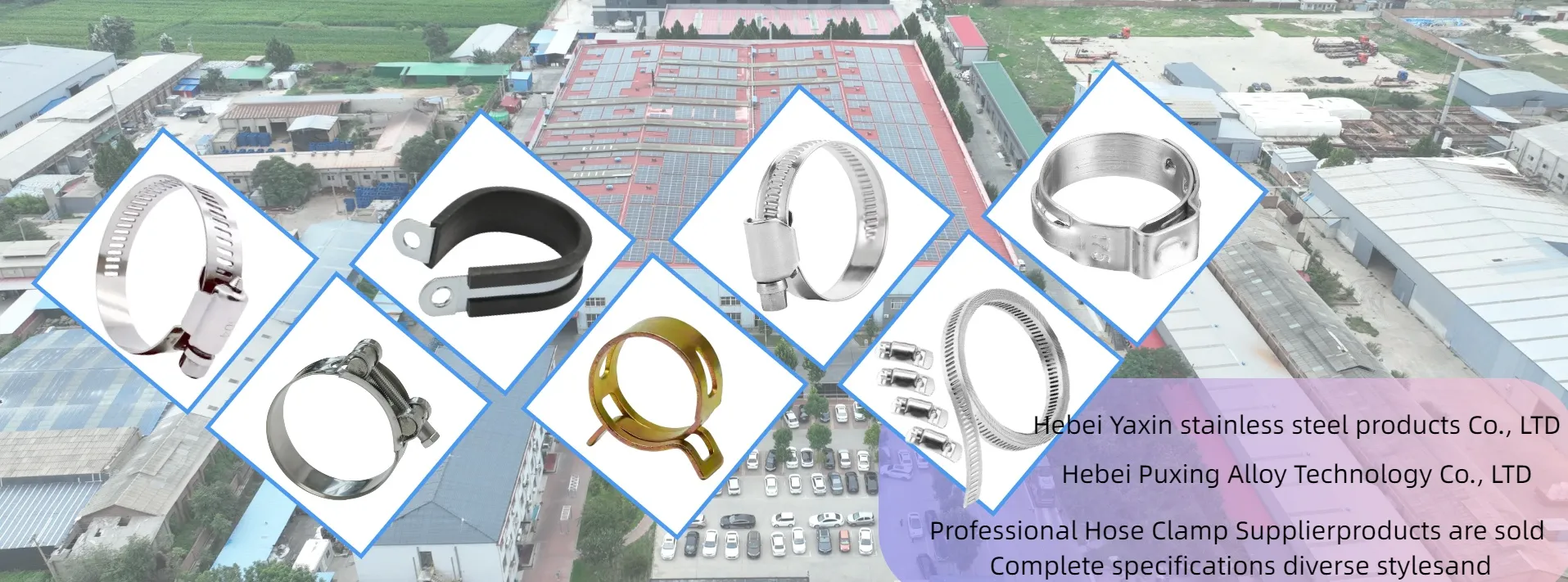
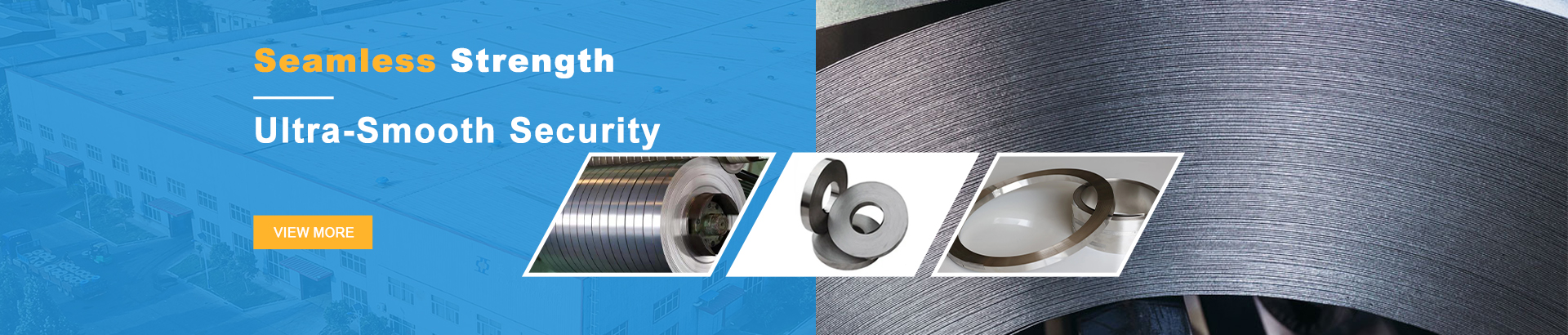
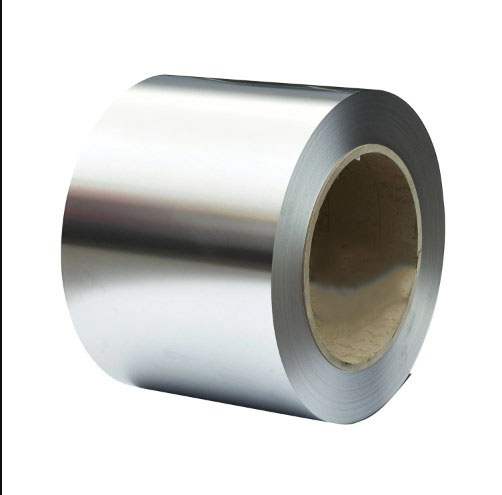
If you’re speccing a 316l stainless steel strip for marine, medical, or chemical duty, you’re probably balancing corrosion performance, slit-edge quality, and lead time. I’ve walked a few mills and slitting rooms in Hebei; honestly, the best operators obsess over anneal cycles and burr height. This product from Hebei Yaxin (origin: East Zhaozhuang Village, Shahe Town, Xingtai City, Hebei, China) sits in that sweet spot—factory-direct, flexible on width, and consistent on 2B/BA surfaces.
Industry snapshot
Global demand for 316l stainless steel strip is nudged by three markets: coastal infrastructure (chloride exposure is unforgiving), medical hardware (cleanability and weld integrity), and EV battery fixtures (non-magnetic, high strength-to-weight). Many buyers say they moved from 304 to 316L after pitting showed up in less than two seasons—especially near docks and splash zones.
Process flow and quality controls
Materials: 201/202/304/316 (typically UNS S31603 for 316L). Methods: hot rolling → pickling → cold rolling → annealing (2B/BA) → skin pass → slitting → edge conditioning → degreasing → protective film → packaging. Typical checks: thickness (±0.01–0.03 mm), width (±0.05 mm), burr height ≤ 0.02 mm after deburr, hardness per ASTM A240/A666, tensile per ASTM E8, corrosion per ASTM G48 and salt spray exposure (ASTM B117) for process benchmarking. Service life: in marine atmospheres, 316l stainless steel strip can run 10–20 years with sensible cleaning; real-world use may vary with chloride load and design geometry.
Core specifications (factory-direct)
| Item | Factory Direct sell SS201/SS304/SS202/SS316 Stainless Steel Strip |
|---|---|
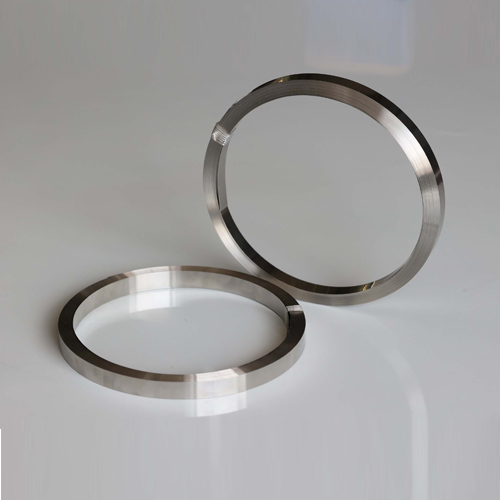
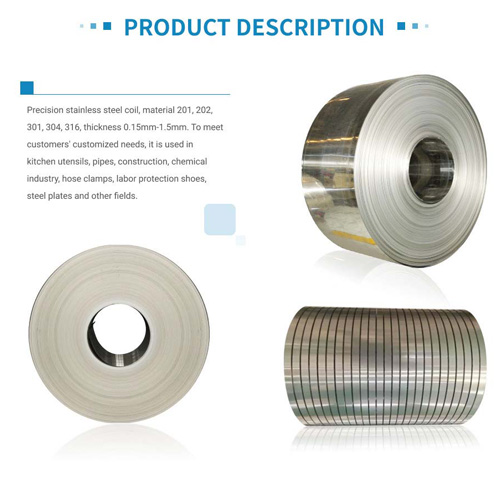
| Grades | 201 / 202 / 304 / 316 / 316L (recommended for welding and chloride service) |
| Thickness | 0.10–2.00 mm |
| Width | 4–690 mm |
| Surface | 2B / BA / polished / fogging; PVC film on request |
| Edges | Slit, deburred, or rounded (≈R0.2–0.4) |
| Mechanical (316L, annealed) | UTS ≥ 485 MPa; YS ≥ 170 MPa; El ≥ 40%; HRB ≤ 95 |
| Standards | ASTM A240/A666, EN 10088; ISO 9001 production system |
| Packaging | Customized: paper interleaf, PE wrap, fumigated pallets |
Where it’s used (and why 316L wins)
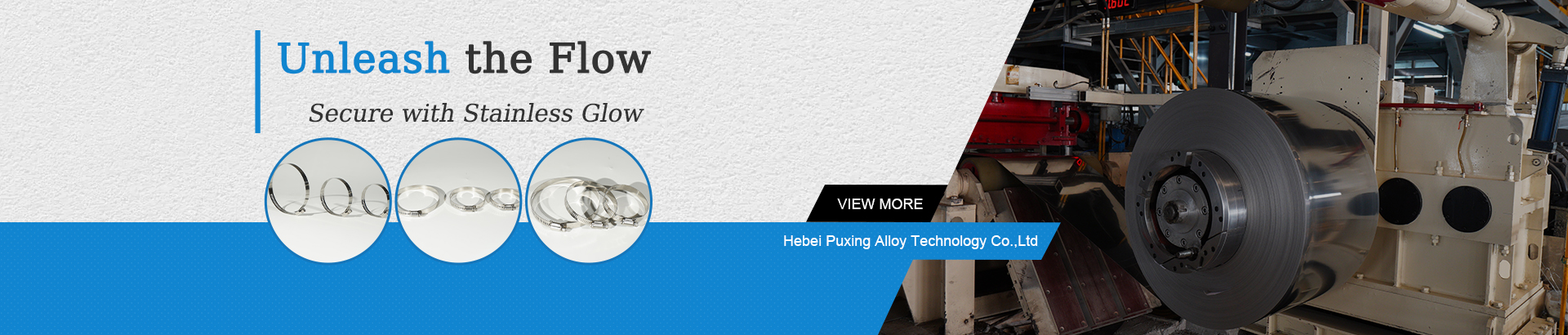
- Marine and coastal fixtures, hose clamps, and cable ties (molybdenum fights chloride pitting).
- Food and pharma equipment—low carbon improves weld corrosion resistance after orbital welds.
- Electronics and measurement springs—stable modulus and clean 2B finish.
Compared with 201/202, 316l stainless steel strip offers clearly better resistance to acids and chlorides; versus 304, fewer pitting surprises in splash zones.
Vendor comparison (quick take)
| Vendor | Lead time | Tolerance | Certs | Price level |
|---|---|---|---|---|
| Hebei Yaxin (factory-direct) | ≈ 10–18 days | Thickness ±0.02 mm; width ±0.05 mm | ISO 9001; CO/FORM-E on export | Competitive |
| Regional trader | ≈ 20–30 days | Varies by subcontract | Mixed | Medium |
| Premium mill brand | ≈ 5–8 weeks | Tight | Full suite | High |
Customization and testing
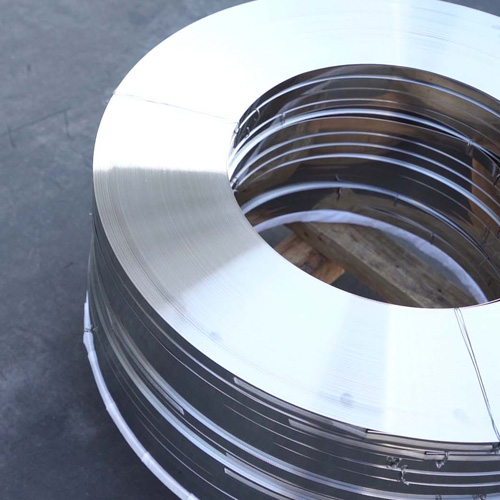
Widths down to 4 mm for clamps and armored cable, BA surface for lids and cosmetic parts, and polished/fogging options. Typical in-house tests: dimensional checks each coil, tensile sampling per heat, and periodic G48 Method A pitting test. One recent batch logged > 500 h neutral salt spray (ASTM B117, internal benchmark)—not a direct field predictor, but customers like the consistency.
Mini case notes
- Coastal hose clamps: switched from 304 to 316l stainless steel strip, warranty claims dropped near zero after monsoon season.
- Glass-lid rings: BA finish on 0.4 mm strip reduced polishing time by ≈ 30%.
- Medical baskets: low-carbon welds passed boiling DI-water test with no tea-staining—surprisingly clean after 50 cycles.
Buyer tips
If cost pressure tempts you toward 201/202, be realistic about exposure; for chlorides, 316L is the safer bet. Ask for edge-burr data and anneal records; it sounds nerdy, but those two lines in the QC sheet predict line stoppages better than any glossy brochure.
References
- ASTM A240/A240M – Plate, Sheet, and Strip for Corrosion-Resisting Steels.
- ASTM G48 – Pitting and Crevice Corrosion Resistance of Stainless Steels.
- ASTM B117 – Standard Practice for Operating Salt Spray (Fog) Apparatus.
- EN 10088 – Stainless steels; and ISO 9001 quality management systems.
-
Reliable Earls Hose Clamps for Industrial Applications – Trusted by Experts
NewsDec.09,2025
-
High-Performance Ear Type Hose Clamps for Industrial Use | Puxing Clamp
NewsDec.09,2025
-
Durable Ear Style Hose Clamps | Industrial-Grade Reliability
NewsDec.09,2025
-
Ear Hose Clamps: Durable, Cost-Effective Solutions for Industrial Applications | Puxing Clamp
NewsDec.08,2025
-
Expert Guide to Ear Hose Clamp Removal Techniques and Tools
NewsDec.08,2025
-
Comprehensive Guide to Ear Hose Clamp Pliers: Global Applications & Advantages
NewsDec.08,2025
 English
  Afrikaans
  Albanian
  Amharic
  Arabic
  Armenian
  Azerbaijani
  Basque
  Belarusian
  Bengali
  Bosnian
  Bulgarian
  Catalan
  Cebuano
  Corsican
  Croatian
  Czech
Czech  Danish
  Dutch
Dutch  Esperanto
  Estonian
  Finnish
  French
  Frisian
  Galician
  Georgian
  German
  Greek
Greek  Gujarati
  Haitian Creole
  Hausa
Hausa  Hawaiian
  Hebrew
  Hindi
Hindi  Miao
Miao  Hungarian
  Icelandic
  Igbo
Igbo  Indonesian
  Irish
Irish  Italian
  Japanese
  Javanese
  Kannada
  Kazakh
  Khmer
Khmer  Rwandese
  Korean
  Kurdish
  Kyrgyz
  Lao
Lao  Latin
Latin  Latvian
  Lithuanian
  Luxembourgish
  Macedonian
  Malgashi
  Malay
Malay  Malayalam
  Maltese
  Maori
Maori  Marathi
  Mongolian
  Myanmar
  Nepali
  Norwegian
  Norwegian
  Occitan
  Pashto
  Persian
  Polish
  Portuguese
  Punjabi
  Romanian
  Russian
  Samoan
  Scottish Gaelic
  Serbian
  Sesotho
  Shona
Shona  Sindhi
  Sinhala
  Slovak
  Slovenian
  Somali
  Spanish
  Sundanese
  Swahili
  Swedish
  Tagalog
  Tajik
Tajik  Tamil
Tamil  Tatar
Tatar  Telugu
  Thai
Thai  Turkish
  Turkmen
  Ukrainian
  Urdu
Urdu  Uighur
  Uzbek
Uzbek  Vietnamese
  Welsh
Welsh  Bantu
Bantu  Yiddish
  Yoruba
  Zulu
Zulu