- Phone:+86-17331948172 +86-0319-8862898
- E-mail: inquiry@puxingclamp.com

Nov . 26, 2025 19:25 Back to list
Everything You Need to Know About 4 Stainless Steel Hose Clamps - Durable, Reliable & Global Uses
Why the 4 Stainless Steel Hose Clamp Matters More Than You Think
When you first hear "4 stainless steel hose clamp," it may sound like just another industrial part. But I'm telling you, grappling with its significance opens up a surprisingly vast world of global industry, infrastructure, and even humanitarian aid. These little clamps aren’t just fastening hoses — they’re quietly holding together systems critical for clean water, efficient fuel delivery, and secure mechanical connections worldwide. Understanding their benefits isn't just for engineers tinkering in garages; it’s a key insight into supply chains, safety standards, and sustainability that ripple across continents.
Global Snapshot: Why 4 Stainless Steel Hose Clamps Are Indispensable
Globally, industries are growing more interconnected — pipelines crisscross continents, manufacturing plants churn out goods, and transportation networks keep economies humming. The 4 stainless steel hose clamp comes into play everywhere there’s fluid or gas transfer in hoses — whether in automotive engines, agricultural machinery, or municipal water systems. According to ISO standards on hose assembly safety (ISO 1436), securing hoses properly reduces leak risks, which otherwise could spell environmental or safety disasters.
In fact, an interesting tidbit: leaks from poorly fastened hose systems are estimated to cost industries billions annually worldwide (World Bank estimates on industrial waste leakages, 2022). These clamps may be small, but they solve a big challenge — preventing hazardous spills and maintaining system integrity.
Mini Takeaway
The humble 4 stainless steel hose clamp is a small piece of hardware with a global impact—securing critical fluid lines, reducing leaks, and supporting sustainable operations worldwide.
Defining the 4 Stainless Steel Hose Clamp
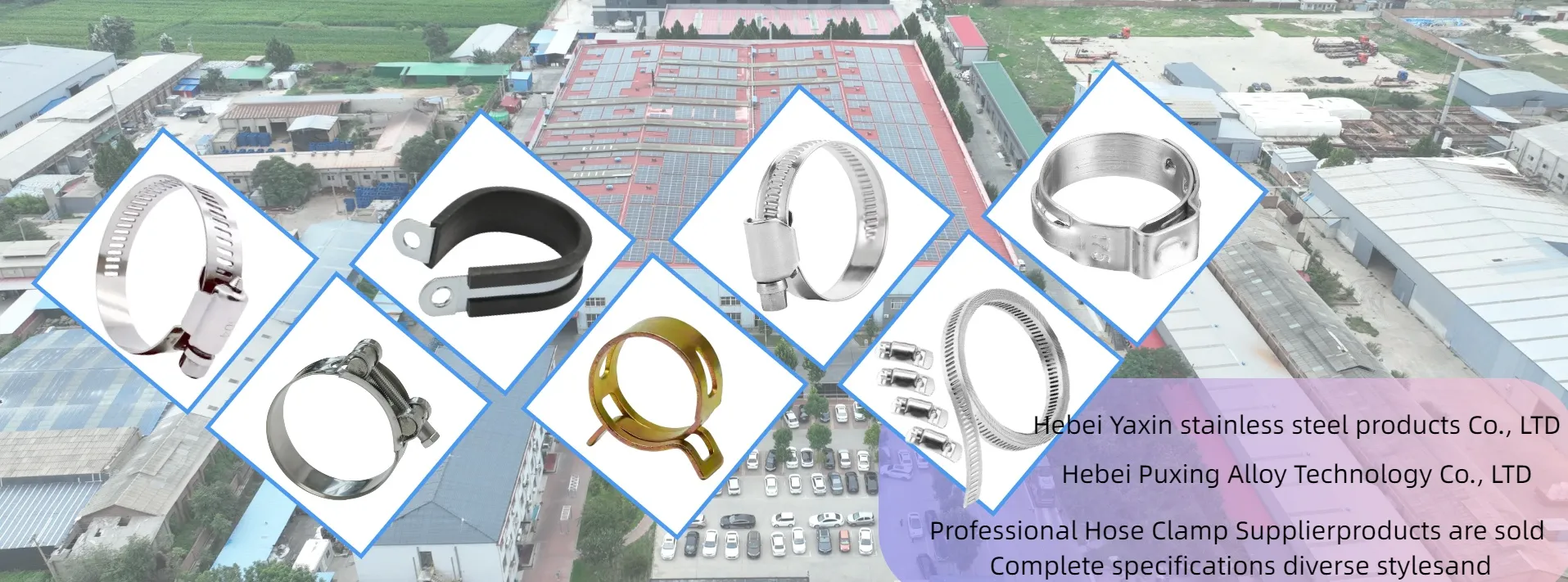
It's simple really: a stainless steel hose clamp is a circular band, usually made of corrosion-resistant stainless steel, designed to snugly fix a hose onto a fitting or pipe to prevent leaks. The term "4" here often refers to the clamp’s size or a common industry designation for a 1/4-inch hose diameter clamp (though sizes vary widely).
These clamps help industries and even humanitarian projects ensure water, fuel, and air flow securely — preventing leaks that could cause machinery breakdowns or even contaminate supplies. Think of them as the unsung hero that keeps hoses humming, whether on an oil rig or a rural water supply line in a developing country.
Mini Takeaway
Simply put, a 4 stainless steel hose clamp is a corrosion-resistant, adjustable device designed to fasten hoses tightly, maintaining pressure and preventing leaks across countless applications.
Core Components & Key Factors of Effective Hose Clamps
1. Durability
A key reason stainless steel is the material of choice is its unmatched corrosion resistance and mechanical strength. In harsh environments — salty marine air, chemical plants, or underground irrigation — durability means fewer replacements and less downtime.
2. Adjustable Tightness
The screw-driven tightening mechanism allows precise control over hose pressure, essential to avoid damage to delicate hoses while ensuring a perfect seal.
3. Size Compatibility
These clamps come in many sizes, with “4” often indicating the 1/4-inch diameter range, making them versatile enough for small fuel lines to medium appliance hoses.
4. Cost Efficiency
Compared to more complex clamping systems, stainless steel hose clamps offer a highly economical solution, balancing upfront cost with durable performance.
5. Ease of Installation
Field technicians appreciate how simple it is to install or adjust these clamps with standard hand tools — a big plus in time-sensitive repair scenarios.
Mini Takeaway
When selecting 4 stainless steel hose clamps, durability, size, adjustability, cost, and ease of installation are the winning combination that keeps industries moving smoothly.
Where Are These Clamps Really Used? Real-World Applications
From my experience and reports across sectors, the 4 stainless steel hose clamp plays a starring role in:
- Automotive and Transport: Securing coolant and fuel lines under the hood — where high temperatures and vibration demand tough clamps.
- Agriculture: Irrigation systems rely on them to prevent leaks during high-pressure water delivery across farms in Africa and Asia.
- Marine & Offshore: Saltwater corrosion is brutal, and stainless steel clamps ensure seal integrity on boats and oil rigs.
- Disaster Relief: NGOs quickly assemble water purification systems using hose clamps — ensuring clean water flow where it’s urgently needed.
- Manufacturing & Industrial: Pneumatic and hydraulic hoses need secure clamps to prevent costly leaks or system failures.
A quick example: In a 2021 relief operation in the Philippines, emergency engineers used thousands of these clamps to assemble lightweight water filtering rigs — because the clamps allowed them to fasten hoses without specialized tools or lengthy training.
Mini Takeaway
From disaster zones to heavy industry, the 4 stainless steel hose clamp is everywhere — trusted to secure essential fluid and gas lines under demanding conditions.
Advantages and Long-Term Value of Choosing Stainless Steel Hose Clamps
First off: They save money. Fewer replacements mean cost savings, and no leak-related downtime keeps production schedules intact. But the emotional and ethical value is substantial too — these clamps improve safety (think: avoiding fuel leaks or contamination), uphold dignity (clean water in refugee camps, anyone?), and build trust with clients and communities.
- Sustainability: Long-lasting stainless steel components reduce waste and environmental harm.
- Innovation-friendly: Compatible with modern automated hose-assembly lines, supporting digitization trends.
- Reliable: The consistent clamping force prevents hazardous failures.
Mini Takeaway
Investing in high-quality 4 stainless steel hose clamps pays off through cost savings, sustainability, safety, and enhanced operational trust.
Looking Ahead: Trends & Innovations in Hose Clamp Technology
The industry doesn’t stand still either. Next-gen clamps integrate sensors monitoring clamp tightness in real-time, feeding data back to maintenance teams — part of the digitization wave sweeping manufacturing.
Material-wise, ultra-high grade stainless alloys and eco-friendly coatings are becoming standard, aiming to extend clamp life even further while reducing environmental impact.
Automation of clamp assembly is growing too: robots outfitted with precision torque drivers install and verify clamps for consistent quality, especially in automotive factories.
Mini Takeaway
Technology isn’t leaving the 4 stainless steel hose clamp behind — expect smarter materials and digital integration to shape the next decade’s clamps.
Challenges & Smart Solutions
It’s not all perfect. Installation errors — over-tightening leading to hose damage or under-tightening causing leaks — remain common. Oddly enough, even skilled technicians err when rushed or tired.
Proper training and design tweaks like torque-limiting drivers help reduce mistakes. Also, clamp standards (per ISO 11069) push manufacturers toward better test protocols to guarantee performance.
Mini Takeaway
The main challenges lie in installation and quality control — but through training, tool innovation, and stricter standards, these issues can be greatly minimized.
Practical FAQs About 4 Stainless Steel Hose Clamps
- Q: Can 4 stainless steel hose clamps be reused after removal?
- A: Generally, yes — if inspection shows no deformation or corrosion. However, reuse depends on application criticality and manufacturer guidelines. Reusing clamps in high-pressure or safety-critical systems is usually avoided.
- Q: Are these clamps suitable for both fuel and water hoses?
- A: Absolutely. Stainless steel’s corrosion resistance makes them versatile for fuel lines, water hoses, and even some chemical fluid lines — as long as compatibility with hose materials is checked.
- Q: How do I choose the right size of hose clamp?
- A: Measure the hose outer diameter when compressed around the fitting. Clamp size should be slightly larger than this measurement to allow tightening while ensuring a secure seal.
- Q: What tools are best for installing these clamps?
- A: A simple screwdriver or nut driver often suffice. For consistent torque, especially in industrial settings, torque wrenches with proper settings are recommended.
- Q: How can NGOs import quality 4 stainless steel hose clamps internationally?
- A: Coordinating with manufacturers via platforms like 4 stainless steel hose clamp suppliers can streamline sourcing. Look for vendors with clear certifications (ISO, RoHS) and flexible shipping options.
Product Specifications
| Feature | Specification | Notes |
|---|---|---|
| Material | 304 or 316 stainless steel | 316 preferred for marine use |
| Size Range | 6 mm to 80 mm diameter | 4 typically ~ 1/4 inch (~6.35 mm) nominal size |
| Clamp Type | Worm gear | Most common type |
| Operating Temperature | -40°C to 250°C | Varies by material grade |
| Torque Range | 1.5 - 6 Nm | Depends on size |
Vendor Comparison: Picking the Right Supplier
| Vendor | Quality Certification | Range of Sizes | Lead Time | International Shipping |
|---|---|---|---|---|
| Puxing Clamp Co. | ISO 9001, RoHS | All standard sizes (6-80mm) | 3-5 days | Yes, worldwide |
| ABC Hose Products | ISO 14001 | Limited sizes (up to 50mm) | 7-10 days | Regional only |
| Global Clamp Ltd. | None | Wide but variable quality | Variable | Yes |
Final Thoughts & Next Steps
I suppose what’s striking is how such a modest component like the 4 stainless steel hose clamp threads through so many sectors globally, offering reliable and cost-effective solutions wherever hoses carry life's essentials — water, fuel, air, or chemicals. With ongoing innovations, their role will only strengthen as industries move towards smarter, greener operations.
If you want to explore quality clamps that meet industry standards and ship worldwide, a good place to start is 4 stainless steel hose clamp. I’ve seen firsthand how partnering with seasoned suppliers makes a difference, especially when stakes are high and downtime is a premium.
References
-
Reliable Earls Hose Clamps for Industrial Applications – Trusted by Experts
NewsDec.09,2025
-
High-Performance Ear Type Hose Clamps for Industrial Use | Puxing Clamp
NewsDec.09,2025
-
Durable Ear Style Hose Clamps | Industrial-Grade Reliability
NewsDec.09,2025
-
Ear Hose Clamps: Durable, Cost-Effective Solutions for Industrial Applications | Puxing Clamp
NewsDec.08,2025
-
Expert Guide to Ear Hose Clamp Removal Techniques and Tools
NewsDec.08,2025
-
Comprehensive Guide to Ear Hose Clamp Pliers: Global Applications & Advantages
NewsDec.08,2025
 English
  Afrikaans
  Albanian
  Amharic
  Arabic
  Armenian
  Azerbaijani
  Basque
  Belarusian
  Bengali
  Bosnian
  Bulgarian
  Catalan
  Cebuano
  Corsican
  Croatian
  Czech
Czech  Danish
  Dutch
Dutch  Esperanto
  Estonian
  Finnish
  French
  Frisian
  Galician
  Georgian
  German
  Greek
Greek  Gujarati
  Haitian Creole
  Hausa
Hausa  Hawaiian
  Hebrew
  Hindi
Hindi  Miao
Miao  Hungarian
  Icelandic
  Igbo
Igbo  Indonesian
  Irish
Irish  Italian
  Japanese
  Javanese
  Kannada
  Kazakh
  Khmer
Khmer  Rwandese
  Korean
  Kurdish
  Kyrgyz
  Lao
Lao  Latin
Latin  Latvian
  Lithuanian
  Luxembourgish
  Macedonian
  Malgashi
  Malay
Malay  Malayalam
  Maltese
  Maori
Maori  Marathi
  Mongolian
  Myanmar
  Nepali
  Norwegian
  Norwegian
  Occitan
  Pashto
  Persian
  Polish
  Portuguese
  Punjabi
  Romanian
  Russian
  Samoan
  Scottish Gaelic
  Serbian
  Sesotho
  Shona
Shona  Sindhi
  Sinhala
  Slovak
  Slovenian
  Somali
  Spanish
  Sundanese
  Swahili
  Swedish
  Tagalog
  Tajik
Tajik  Tamil
Tamil  Tatar
Tatar  Telugu
  Thai
Thai  Turkish
  Turkmen
  Ukrainian
  Urdu
Urdu  Uighur
  Uzbek
Uzbek  Vietnamese
  Welsh
Welsh  Bantu
Bantu  Yiddish
  Yoruba
  Zulu
Zulu